

































































































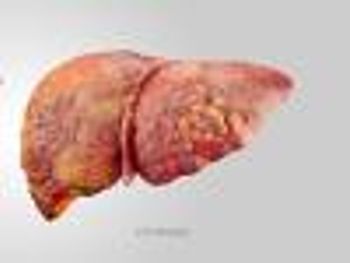
Accelerated fibrosis in women with a hepatitis C/HIV co-infection begins as early as pre-menopausal years.
Accelerated fibrosis in women with a hepatitis C/HIV co-infection begins as early as pre-menopausal years.

Moist, warm skin provides the ideal environment for dermatophytes—fungi that cause skin infections—to flourish.
Approximately 12,000 customers were affected by the breach.
Findings may lead to new targeted treatment options for HIV infection.

West Virginia University program seeks to combat the spread of infectious diseases via injection drug use.

FilmArray can identify the underlying cause of illnesses within 1 hour of testing.
Hepatitis C elimination program screens more than 45K individuals in first 2 years of launch.

Funding will be spread throughout several mentorship programs for youths with HIV to help navigate adult care.

All drugs are both good and bad. Know both sides of the story.
A Rhode Island independent pharmacy is the first in the country offering on-demand Lyme disease post-exposure prophylaxis.

Pilot project to bring pre-exposure prophylaxis to the Philippines for the first time.

Increased efforts in prevention and treatment for HIV show promise in high-burden regions.

More than half of survey respondents with HIV reported concerns about possible drug-drug interactions.
Top articles of the week from Specialty Pharmacy Times.

Response rate higher among patients with HIV treated with dolutegravir compared with lopinavir/ritonavir.

Dolutegravir-based treatment non-inferior to boosted protease inhibitor regimen in virally suppressed HIV-positive patients.
Fixed-dose combination tablet containing doravirine achieved viral suppression in HIV-1 infected treatment-naïve adults.

Immunization of cows induces rapid elicitation of broadly neutralizing antibodies to HIV.

Combination treatments well tolerated amongst study participants with HIV-1 infection.
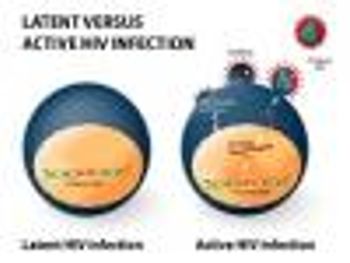
Proper dosing of Vorinostat can help expose latent HIV.
Hand, foot, and mouth disease (HFMD) is a contagious viral infection common in infants and young children.

PrEP has been found to be effective in preventing HIV in high-risk populations.

Since their discovery in the 1950s, cephalosporins have become one of the largest classes of antibiotics.
Findings point towards an HIV vaccine that stimulates the production of these antibodies.

Investigators aim to determine whether Zika virus interferes with antiretroviral drugs that prevent mother-to-child transmission of HIV.