


























































































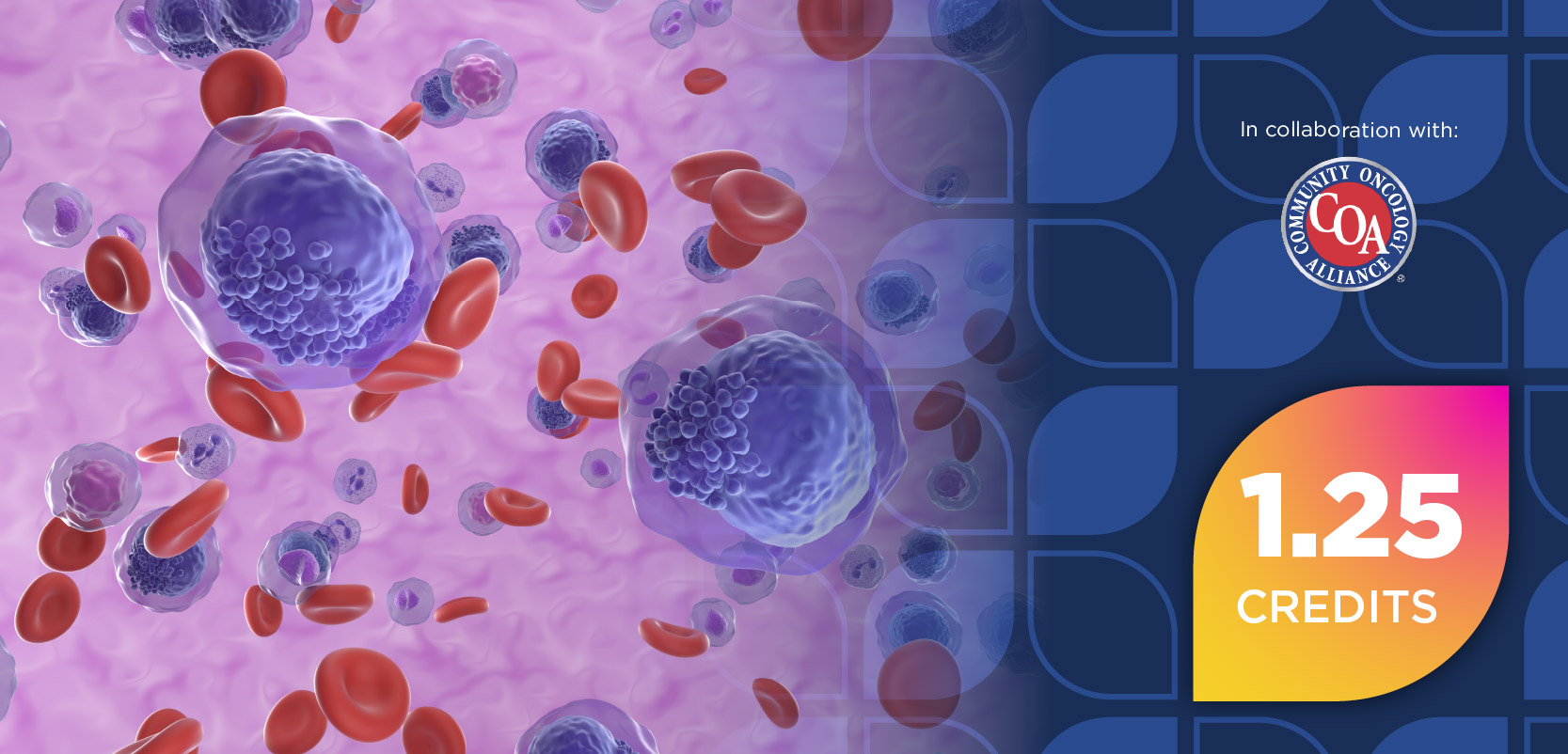
BRD4 gene could be exploited in treatment of acute myeloid leukemia.
BRD4 gene could be exploited in treatment of acute myeloid leukemia.

Boehringer Ingelheim and Philogen will collaborate on investigating novel treatment approaches for Acute Myeloid Leukemia.
Exposure to benzene due to high traffic volume during childhood may contribute to disease development.

Study findings may change the development of cancer therapy.

Inhibiting the protein PARP 14 shows promise in stopping uncontrolled cancer cell growth.

Research may lead to targeted therapies with reduced side effects.

Novel method may reduce the length of treatment time and decrease side effects.

Top cancer-related news from the past week.

Research offers enhanced method to assess effects of cancer drugs on normal and healthy cells.

Excessive out-of-pocket costs can become an adverse event from treatment.
More than just biological factors can affect patient outcomes.

Expansion covers patients who have greater than 30% myeloblasts.
Kyprolis is for injection in patients with relapsed multiple myeloma.

Average reimbursement for Part B oncology drugs is 52% higher in 340B hospitals than in community cancer clinics.

Chronic lymphocytic leukemia treatment reprograms T cells to hunt and kill cancer cells.

Research will lead to novel viral and immunologic treatments.

Combination of immunotherapy and aspirin showed a substantial decrease in bowel and melanoma skin cancer growth in mice.

Treatment removes a tumor's defenses.

Chemotherapy drugs can convert gastrointestinal bacteria into toxic species that causes severe diarrhea.
Clinical outcomes expected to continue improving as new treatments arrive.

New approach may combine with existing medications to improve survival.

Ixazomib is the first investigational oral proteasome inhibitor for relapsed and/or refractory multiple myeloma.

Daratumumab monotherapy slows disease progression a year after treatment.
Researchers examine how a cell distinguishes between damaged DNA and foreign viral DNA.

Genetic profiling after initial chemotherapy may help oncologists predict early prognosis.