


























































































Semaglutide is a once weekly subcutaneous injection that was granted FDA approval for use in adults with obesity or overweight with at least one other weight related-condition.

Semaglutide is a once weekly subcutaneous injection that was granted FDA approval for use in adults with obesity or overweight with at least one other weight related-condition.
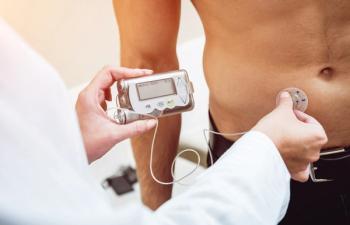
The expanded indication follows Lyumjev’s original approval in 2020 and offers an important new delivery mechanism for patients with diabetes.

HDHPs require patients to pay for all care out of pocket until the plan’s deductible is reached, and only after this threshold does insurance start to cover medical costs.
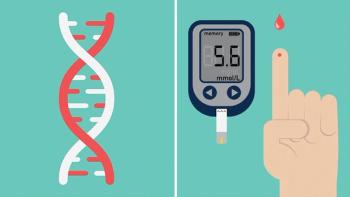
This week on Pharmacy Times, there are a number of important topics that will be covered and posted throughout the week.
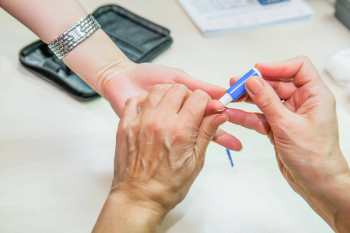
Pharmacists are in a strong position to identify the early warning signs of diabetes because they are often the most accessible and frequently visited members of the health care team.
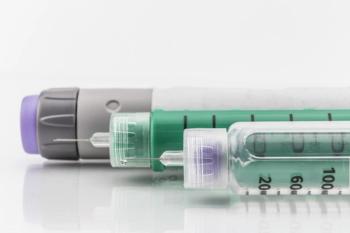
The introduction of a biosimilar insulin could result in major shifts in the accessibility and affordability of insulin for all patients.
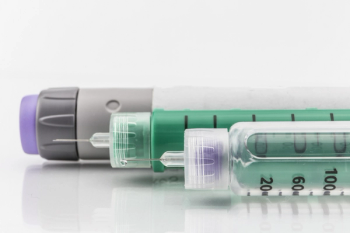
Depending on the patient needs, the prescriber can prescribe one or both types of insulin.

Antidepressants may lower the risk of death and serious complications from diabetes for patients with both diabetes and depression, according to a study published in the Journal of Clinical Endocrinology & Metabolism.
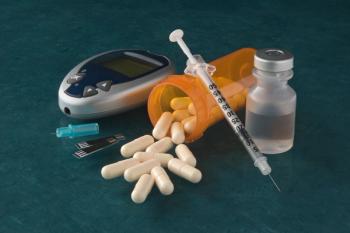
Though the benefits of continuous glucose monitoring for patients with diabetes has been previously demonstrated, the investigators said that these benefits have only been well-established for patients with type 1 diabetes or patients with type 2 diabetes treated with multiple daily insulin injections.
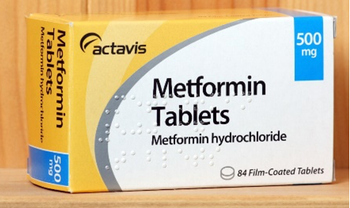
Patients on metformin should check their vitamin B12 levels on regular basis to make sure it is at normal range.
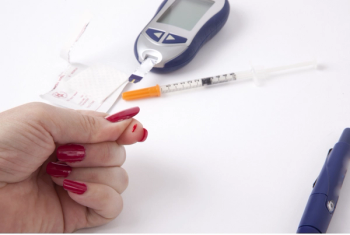
Patients at risk for diabetes should try to focus on adhering to their medications, diet and exercise to reduce their blood sugars, which will decrease their A1C levels.
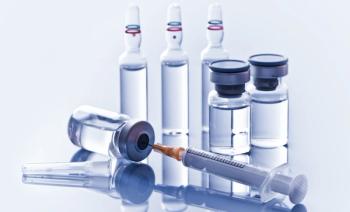
The investigators also predicted that the increase in indications of novel diabetes treatments and their increased use is likely to result in greater expense.

This week on Pharmacy Times, there are a number of important topics that will be covered and posted throughout the week.
The availability of insulin biosimilars can bring high-quality, lower cost treatment options for pharmacists, physicians, payers, and patients alike.
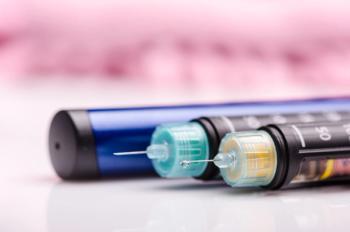
Insulin glargine-yfgn is the first interchangeable biosimilar product for the treatment of diabetes approved in the United States, which can provide patients with alternative, equally effective options for treating diabetes that could be more cost effective.
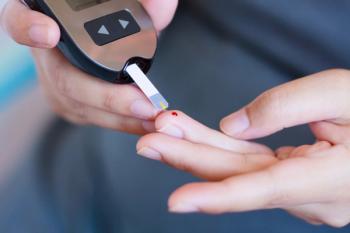
APhA offers intensive certificate course on integrating education and management into practice.

This week on Pharmacy Times, there are a number of important topics that will be covered and posted throughout the week.
Ten quiz questions to assess your knowledge on common diabetes treatments.
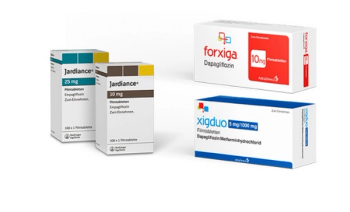
Below a certain GFR, clinically significant reductions in plasma glucose cannot be achieved with sodium-glucose transport protein 2 inhibitors.
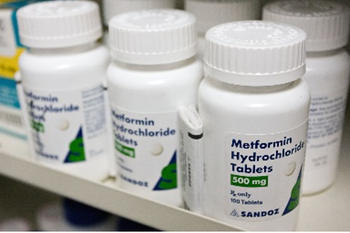
How should pharmacists manage a patient with diabetes on metformin with GFR below 30?
The shift to telemedicine for patient care for individuals with diabetes showed little negative impact on the metabolic health of these patients.

Mary Reed, DrPH, research scientist at Kaiser Permanente, discussed what changes would be necessary to continue providing quality virtual health care to patients with diabetes.

The FDA has approved finerenone for the treatment of adult patients with chronic kidney disease associated with type 2 diabetes.

Early intervention by pharmacists can help stave off condition's serious consequences.

Individuals with at least one inactive copy of the gene have lower BMIs and, on average, face a 54% lower risk of obesity than individuals without the mutations.