





COVID-19
Latest News
Advertisement
Latest Videos








CME Content






















































































Advertisement
More News

A bit of preparation can set children up for success and reduce the stress of this busy time.

Study results showed no significant association between those who bite their nails and SARS-CoV-2 infection, in addition to a lower rate of infection for those who wear glasses compared to those who don’t wear glasses.

Compared to the BNT162b2 vaccine, the mRNA-1273 vaccine was associated with a lower risk of adverse events, which investigators speculate was due to interrelated safety and efficacy.

Wastewater surveillance could be the most consistent way to measure COVID-19 across US counties, a recent study indicates.

Study investigators observed no significant differences in oxygen supplementation, hospitalization, or COVID-19 related death between initiators and non-initiators, though they cautioned more research was needed.

The approved assay can differentiate between infection of COVID-19, influenza, or respiratory syncytial virus, minimizing the need for multiple tests or physician visits.

The health care industry must cultivate volunteer support to maintain a positive impact on vaccination rates.

The common diabetes drug could mediate hyperglycemia, which is caused when SARS-CoV-2 infects hepatocytes.

Investigators found that age and the presence of RNAemia in blood were predictors of mortality in patients with severe COVID-19.

Community-based pharmacy services are reaching new heights as pharmacists and pharmacy technicians are able to have a larger impact on patient care than ever before.

Rates of hospitalizations and mortality from COVID-19 were more than 4 times lower in 2022 compared to 2021, as the virus become less severe with new mutations, a recent study found.

Further work is necessary to monitor and develop understanding of recovery for individuals with ongoing COVID-19 symptoms.

The research narrows the most at-risk populations and how to mitigate the impacts on adults with ADRD.

Not only is a combination of in-office visits and telemedicine an effective model of prenatal care, but it can be an alternative to those who face access barriers.

Many living in lower-income rural populations face significant unmet social needs that can bar access to important mental health services.

The findings could help in future vaccine prioritization strategies and therapeutic allocation policies for other pandemic.
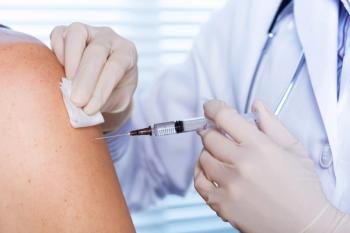
With the end of the national public health emergency for COVID-19 in May 2023, what can be expected as we look ahead to the 2023-2024 influenza season and beyond?

Study among the first to examine delayed or missed pediatric preventative care during COVID-19 that considers determinants, race, and ethnic group, according to the authors.

Proof-of-concept device will be able to detect SARS-CoV-2 within minutes.

The approval makes remdesivir the first and only approved antiviral treatment for patients across all stages of renal disease.
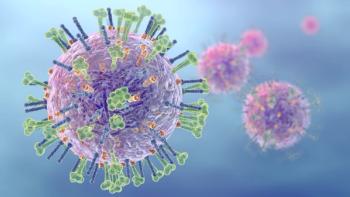
The effectiveness of influenza vaccines varies each season and is determined by the circulating influenza virus subtype(s) and the extent to which there is an antigenic match in the vaccines to the circulating virus subtypes.

A potential new drug therapy found from blood proteins could improve outcomes for individuals diagnosed with long COVID.

Using artificial intelligence to sort and respond to patient queries could streamline processes and alleviate provider burnout.

Older adults are vulnerable to severe influenza-associated complications and risks, but influenza vaccines may be less effective in this population.

Pre-exposure prophylaxis of neutralizing SARS-CoV-2 monoclonal antibodies may be preventative against SARS-CoV-2 transmission, decreasing frequency of new infections and number of hospitalized patients who need antiviral therapies, thus lowering costs.
Advertisement
Advertisement
Trending on Pharmacy Times
1
Bridging the Gap: Pharmacist Experiences Obtaining DEA Licenses
2
Eight Names, One Drug: Why Adalimumab Biosimilars Are Creating Real Confusion at the Counter
3
Etentamig Reduces Risk of Progression or Death by 60% in Relapsed/Refractory Multiple Myeloma
4
Comparison of Weight-Based vs Non–Weight-Based Norepinephrine Dosing in Patients With Septic Shock
5