


























The combination of pembrolizumab and chemotherapy marks the first immunotherapy regimen approved for patients with high-risk early-stage triple-negative breast cancer.

The combination of pembrolizumab and chemotherapy marks the first immunotherapy regimen approved for patients with high-risk early-stage triple-negative breast cancer.
The FDA has granted Fast Track Designation to trilaciclib (Cosela) for use in combination with chemotherapy for the treatment of locally advanced or metastatic triple-negative breast cancer (TNBC).

Margetuximab-cmkb (Margenza) was approved in December 2020 in combination with chemotherapy for the treatment of adult patients with metastatic HER2-positive breast cancer who have previously received 2 or more anti-HER2 regimens, at least one of which for metastatic disease.
Factors that may have contributed to the screening declines include site closures and temporary pausing of services.

The current study analyzed human tumor samples from 6 cancer types: liver, melanoma, colorectal, non-small lung, head and neck, and breast cancer.
Sacituzumab govitecan is approved for the treatment of patients with unresectable locally advanced or metastatic triple-negative breast cancer who have received 2 more prior systemic therapies.

The clinical benefit rate was observed in 16.7% of patients in the balixafortide arm and in 19.6% of patients in the eribulin monotherapy arm.
Treatments to stimulate the release of eggs increase estrogen hormone production and can act on breast cells, which has created concern that this could turn the cells cancerous.
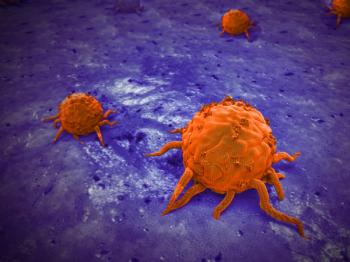
Prior to this research, it was known that genetically removing the POLQ protein killed cells with BRCA gene defects, but no drug had been identified that prevented POLQ from functioning.

Oncologist Susan Miesfeldt, MD, of MaineHealth, discussed the importance of genetic testing and counseling for breast and ovarian cancers as well as barriers that must be addressed in order to reach more patients eligible for these services.

Research has also shown activity with sacituzumab govitecan in subsets of patients with triple-negative breast cancer, such as those with active brain metastases.
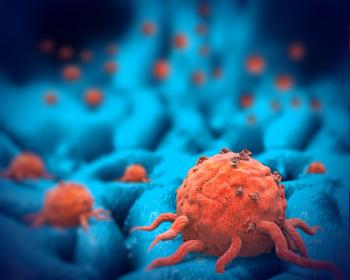
Study suggests that 8 out of 10 patients with breast cancer who receive treatment with TARGIT-IORT will not need a long course of post-operative external beam radiotherapy.

Rates of death among patients with breast cancer due to any cause were 31% higher in states with Medicaid income eligibility limits no greater than 50% of the federal poverty level.
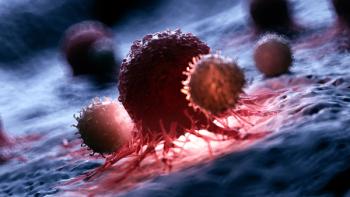
This discovery could enhance efforts to develop better treatments for breast, ovarian, and prostate cancer.

The study authors sought to examine the risks of subsequent primary cancers (SPCs) among breast cancer survivors by HR status and age at diagnosis.

The findings contrast with those for adult BMI, which indicate that women who gain weight after menopause have an increased risk of postmenopausal breast cancer.

As breast cancer becomes an increasingly treatable disease, clinicians should provide personalized follow-up care to address varying burdens of symptoms up to 5 years after diagnosis.
The KEYNOTE-522 trial met its dual primary endpoints of pathologic complete response and event-free survival, showing a statistically significant and clinically meaningful improvement in EFS compared to neoadjuvant chemotherapy alone.

Loneliness and social isolation have been particularly significant problems for patients with cancer during the COVID-19 pandemic, likely due to isolation and social distancing, according to a study published in Cancer.
These findings also suggest that the efficacy of radiotherapy can be improved with drugs that block the PDGFRb protein.

The new study evaluated data from 5000 patients with EBC and 3496 with ABC to determine associations between BMI and survival rates across both stages.
The study also found that patients with comorbidities such as heart disease and diabetes were more likely to experience a high symptom burden.

Clinicians should consider the impact on subsequent therapies, overall survival, and median time to definitive deterioration with CDK 4/6 inhibitors.
Cynthia Lynch, MD, breast cancer program clinical advisor with Cancer Treatment Centers of America, said oncology pharmacists are vital team members who can help ensure optimal treatment and safety for patients with breast cancer.

Oncology experts recommend patients schedule overdue screenings, as pandemic restrictions ease.