

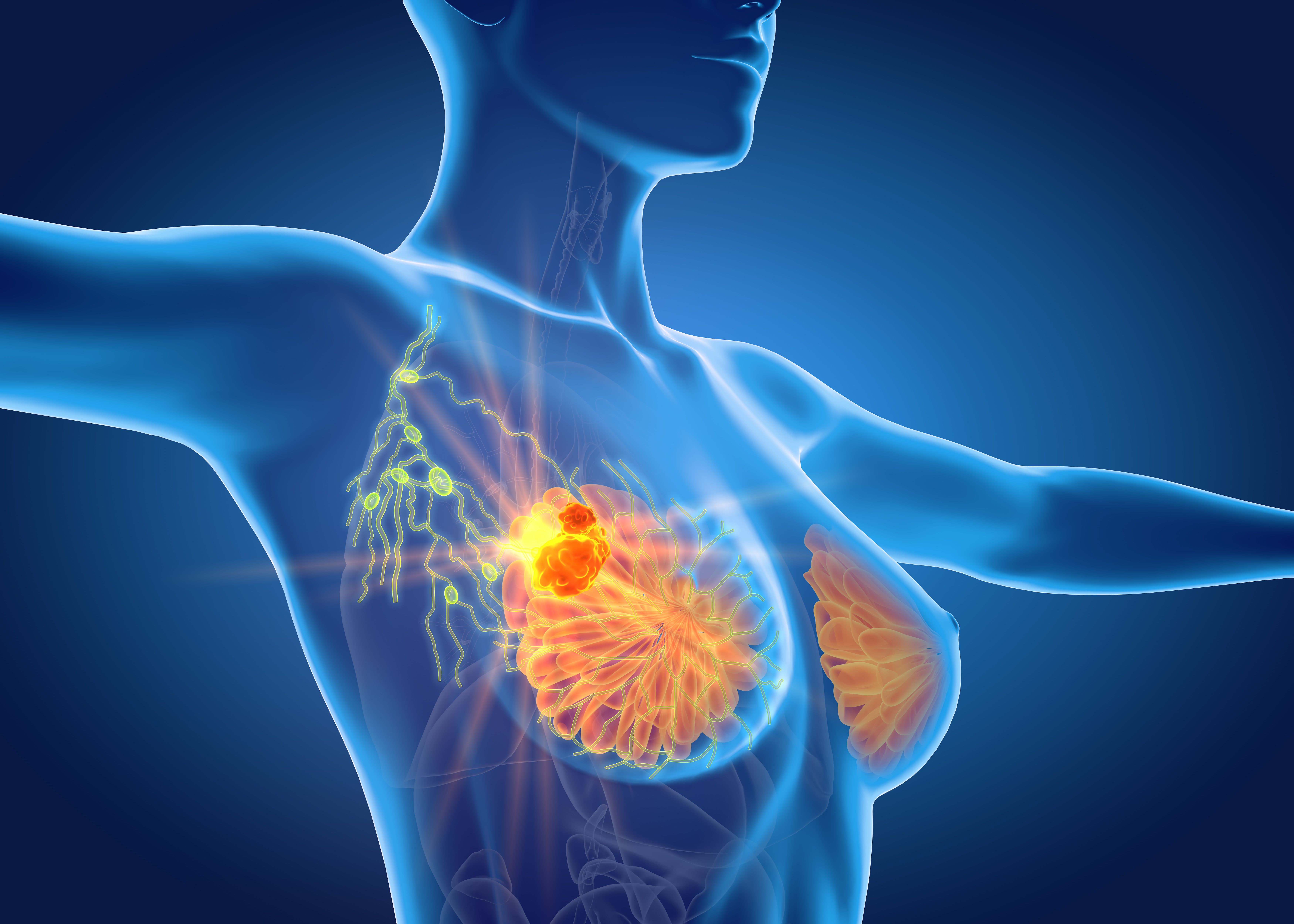


The study, conducted by investigators from the Breast Cancer Surveillance Coalition (BCSC), had an objective to quantify the impact of the COVID-19 pandemic on both breast cancer screening and diagnostic mammography services in the United States.
The study, conducted by investigators from the Breast Cancer Surveillance Coalition (BCSC), had an objective to quantify the impact of the COVID-19 pandemic on both breast cancer screening and diagnostic mammography services in the United States.

In April 2020, colonoscopy screenings declined from 15.1 per 10,000 beneficiaries to 0.9, a 95% difference.

The study also analyzed the relationship between ultra-processed food and drink products with 2 other cancer types.

The studies had a minimum follow-up period of 24 weeks and reported at least 1 event of breast cancer or benign breast neoplasm, which included 90,360 participants.
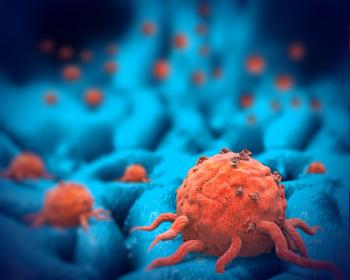
Electricity may slow the speed at which breast cancer cells spread through the body, and in some cases may stop them entirely, according to a new study published in Bioelectricity.

Low doses of propylparaben–a chemical preservative found in food, drugs, and cosmetics–can alter pregnancy-related changes in the breast in ways that may lessen the protection against breast cancer normally conveyed by pregnancy hormones.

Sodas have significantly high sugar levels and a lack of nutritional value, which may contribute to conditions that can lead to breast cancer.
The FDA announced that it will hold a public meeting of the Oncologic Drugs Advisory Committee from April 27 to 29 to address the indications granted accelerated approval for 6 therapies.
Debu Tripathy, MD, University of Texas, MD Anderson Cancer Center at Houston, discussed the basic requirements of personalizing therapy.

The investigators performed a retrospective review of 215 patients age 65 years and older with TNBC or HER2+ breast cancer who underwent mastectomy from 2005 to 2020 at a single institution.

This activity is supported by educational grants from Seagen Inc., Daiichi Sankyo, and AstraZeneca.

Study findings illustrate the need for better communication between health care providers and patients experiencing concerns during the pandemic.
As immunotherapies continue to show promise in more effectively combating several tumor types, many current strategies focus on ensuring the efficient delivery of active cytotoxic cells directly to tumors.
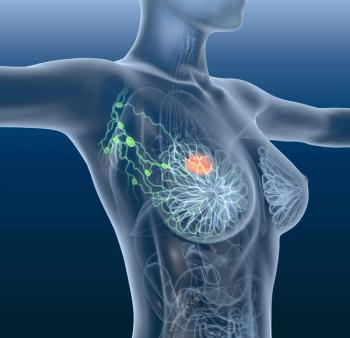
A deep learning model was found to support the identification of imaging biomarkers on screening mammograms, according to researchers at Massachusetts General Hospital.

Current cancer research focuses heavily on adjunct immunotherapy in combination with traditional chemotherapy.

Fractional CO2 laser therapy may offer a nonhormonal treatment to improve sexual function in survivors of breast cancer with genitourinary syndrome of menopause.
Data show that 1 in 5 men and women worldwide develop cancer during their lifetime, and 1 in 8 men and 1 in 11 women die from the disease, according to the study.
Women whose tumors responded to estrogen treatment were found to benefit from hormone therapy, whereas those whose tumors did not respond experienced worsening disease.
The guidelines recommend discontinuing routine mammograms for survivors with a life expectancy under 5 years, considering stopping screening for those with a 5- to 10-year life expectancy, and continuing mammography for those whose life expectancy is greater than 10 years.

Research highlights the need for cardiologists and cardio-oncologists to be involved in the treatment of men with breast cancer due to common risk factors and potential cardiotoxic effects of treatment.

During a study investigating therapeutics that target how RNA splicing activates antiviral immune pathways in triple-negative breast cancers, researchers observed that endogenous RNA in tumor cells that had been mis-spliced is able to mimic an RNA virus.

Obstacles to cancer screenings for low-income patients can include lack of transportation and an inability to take time off of work.
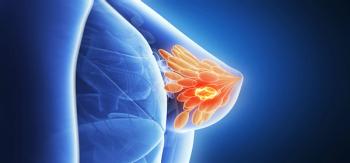
Although only a proportion of DCIS cases will progress into invasive cancer, the treatments available for DCIS are similar to treatments for invasive breast cancers.

According to the study authors, previous small studies suggested that women taking statins may have less heart muscle damage from these types of chemotherapy, yet the exact mechanisms of how statins protect against the cardiac cell damage remains unknown.
This study points to the potential for using CAR T-cell therapy effectively against solid tumors, as well, according to the authors.