

Opinion|Videos|February 20, 2025
Transforming Breast Cancer Treatment Through ADC-Targeting Mechanisms
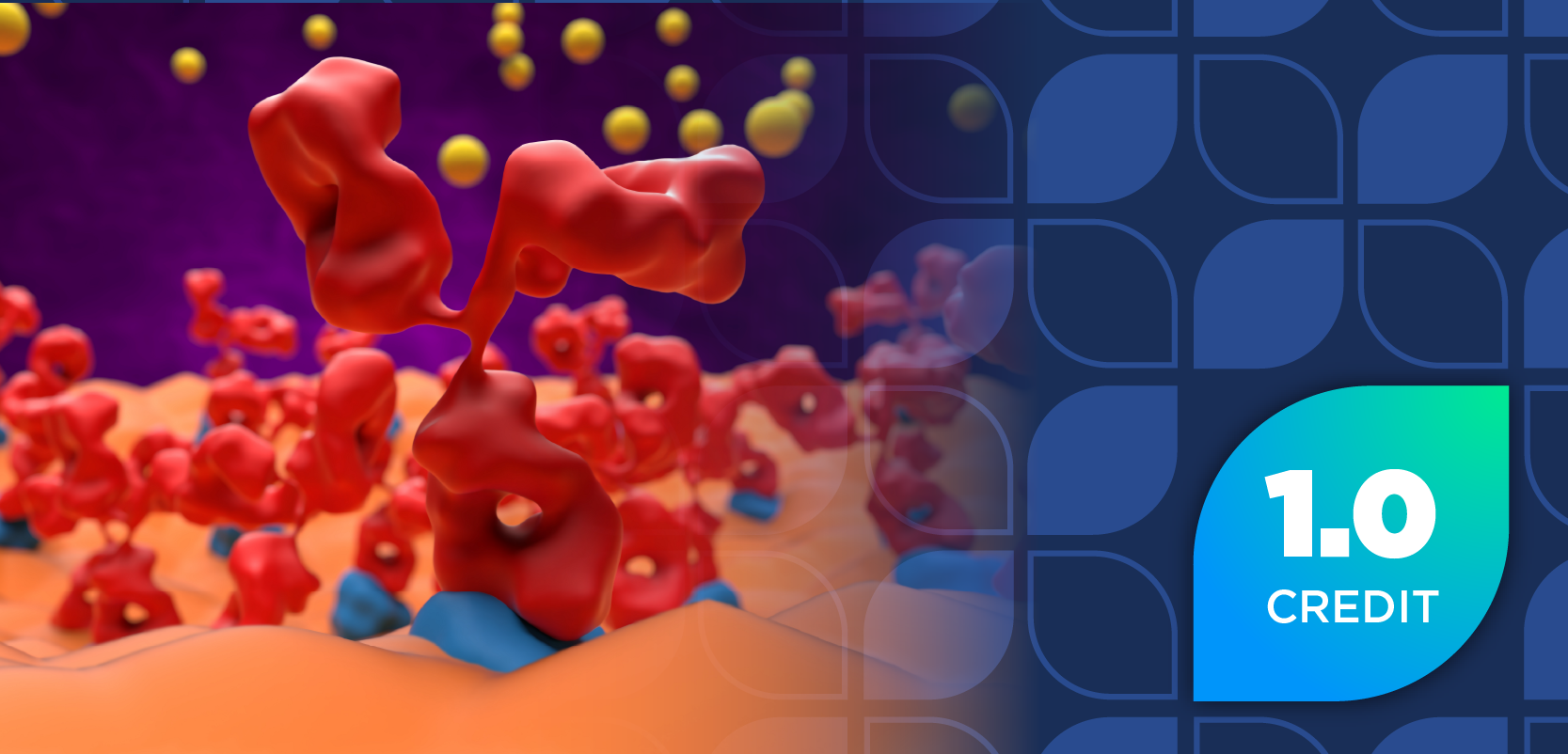
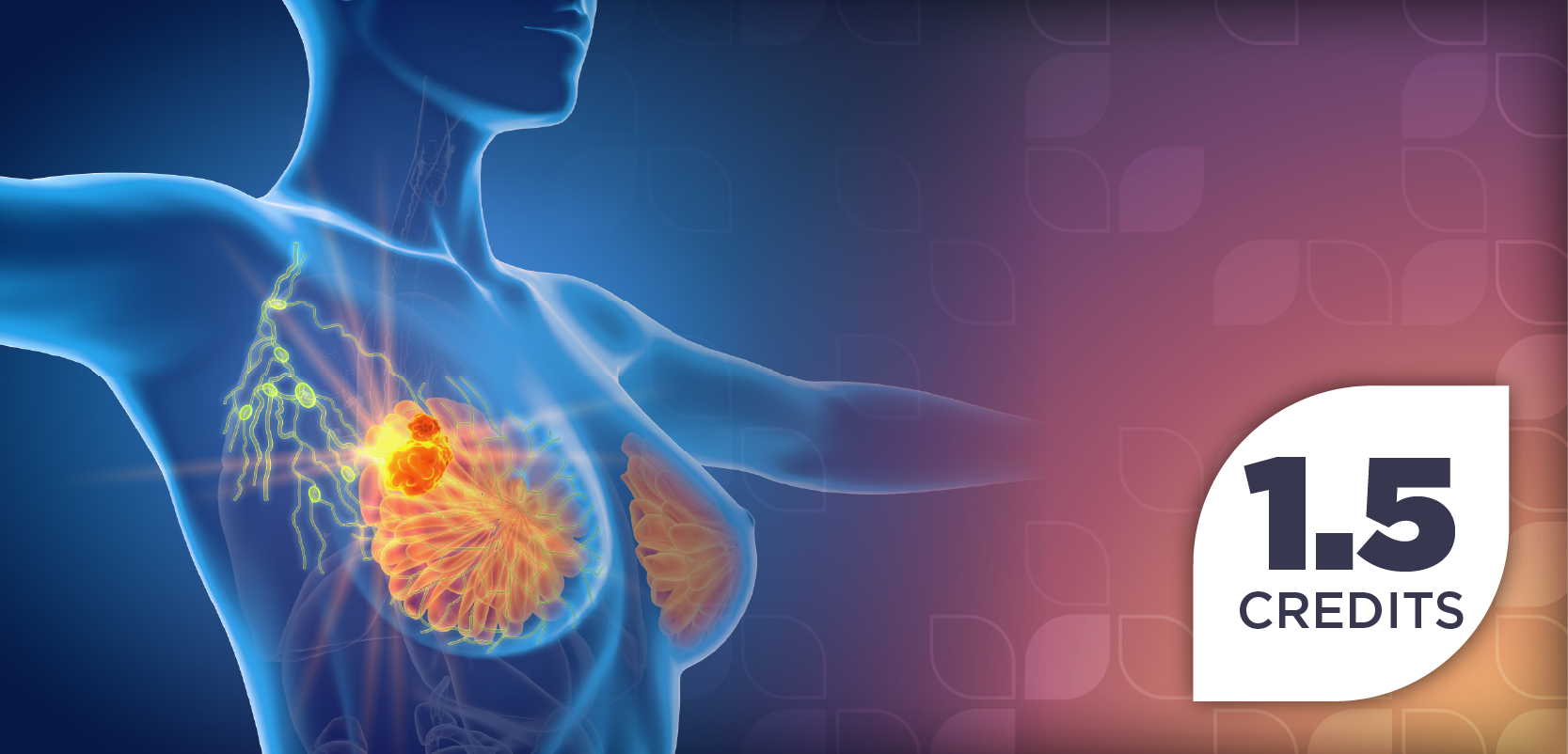
Panelists discuss how antibody-drug conjugates (ADCs) combine monoclonal antibodies with cytotoxic payloads, enabling precise targeting of breast cancer (BC) cells through specific antigen recognition. Upon binding, the ADC-antigen complex is internalized, releasing the toxic payload inside cancer cells while largely sparing healthy tissue. This targeted approach offers improved efficacy and reduces systemic toxicity compared with traditional chemotherapy's broad cytotoxic effects.
Advertisement
Episodes in this series

Video content above has been prompted by the following:
- Can you explain how the mechanism of ADCs translates into effective targeting of BC cells, and how this compares with traditional therapies?
Advertisement
Related Content
Advertisement








































































Advertisement
Advertisement
Trending on Pharmacy Times
1
Beyond Cost Avoidance: Advancing Unit-Level Pharmaceutical Economics in Health Systems
2
Pharmacist Care Gets BP Patients to Goal Faster, Safer
3
Higher Pulmonary Microplastic Burden Observed in Patients With Lung Cancer
4
FDA Approves Apitegromab-mstn, First Muscle-Targeted SMA Therapy
5