
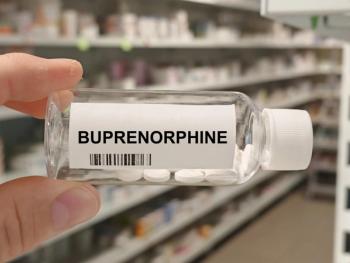
Pharmacists are crucial in combating opioid use disorder, enhancing treatment options, and reducing drug overdose deaths linked to fentanyl.
Pharmacists are crucial in combating opioid use disorder, enhancing treatment options, and reducing drug overdose deaths linked to fentanyl.

Community pharmacists are crucial in Increasing immunization rates, addressing access barriers, and supporting evidence-based immunization guidance.
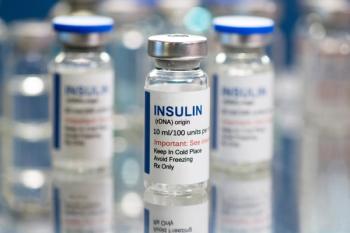
Clinicians learn to optimize type 2 diabetes treatment using automated insulin delivery data, enhancing patient safety and education for effective management.

Pharmacists can educate patients about FluMist for at-home administration and opioid labeling changes.

Experts discuss innovations in medication-use processes at the ASHP Midyear Meeting, highlighting trends in acute and ambulatory care for pharmacy leaders.
Patients learn the importance of understanding treatment-related skin issues, recognizing symptoms, and adopting gentle skincare practices for better management.
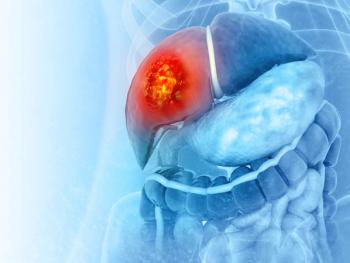
This review examines the mechanisms of therapy, summarizes the existing literature, and highlights the evolving treatment options for unresectable hepatocellular carcinoma.

Findings from a meta-analysis reveal biosimilars for inflammatory bowel disease (IBD) offer similar efficacy and safety and maintained remission rates as their reference products.

A pharmacist-led deep vein thrombosis (DVT) clinic revolutionizes outpatient care, reducing emergency visits and costs while enhancing medication adherence through collaborative practices.
Discover how GLP-1 receptor agonists may benefit breast cancer patients by promoting weight loss and improving long-term health outcomes.

The FDA approves depemokimab-ulaa as a long-acting treatment for severe asthma, enhancing patient care with fewer injections and improved outcomes.

Previously approved for patients 12 years and older, berotralstat now gives younger patients a treatment option to manage sudden hereditary angioedema attacks.

FDA approves zoliflodacin, a groundbreaking oral treatment for gonorrhea, offering hope against antibiotic resistance and improving patient access.

Measles cases surge in the US, prompting quarantine measures in South Carolina schools and raising urgent vaccination concerns amid declining rates.

Second-line and later treatment options for synovial sarcoma are limited. Afamitresgene autoleucel is the first FDA-approved T-cell receptor therapy, demonstrating long-lasting responses and tolerable adverse effects in pretreated patients.
Explore the latest insights on breast cancer treatment, focusing on radiation, endocrine therapy, and the role of pharmacists in patient care.

Nonadherence has negative impacts on patients, health systems, and society.
Prateek Bhatia discusses optimizing infusion operations through technology, data analytics, and patient journey understanding at the ASHP Midyear Meeting.
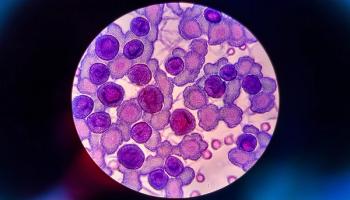
Belantamab mafodotin reenters clinical practice after FDA reapproval, signaling new potential for difficult-to-treat myeloma.
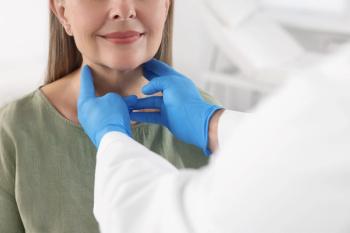
Thyroid Diseases Can Have Widespread Physiological Effects

The FDA-approved flibanserin represents the first and only once-daily oral pill for postmenopausal women with hypoactive sexual desire disorder.

Retatrutide shows promising results in reducing weight and knee pain for individuals with obesity and osteoarthritis, enhancing physical function significantly.
New findings at SABCS reveal MammaPrint's role in identifying early-stage breast cancer patients who benefit from anthracyclines, reducing unnecessary treatment.

The FDA has approved etripamil as the first and only self-administered nasal spray for adults with paroxysmal supraventricular tachycardia (PSVT), offering a rapid, effective treatment that can be used outside of health care settings.
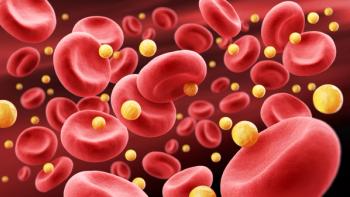
Lerodalcibep, a new PCSK9 inhibitor, offers a convenient monthly injection to effectively lower LDL cholesterol in patients with hypercholesterolemia.

Pharmacists enhance oncology care by guiding younger patients through precision diagnostics like ctDNA MRD testing, driving innovation in cancer treatment.
SABCS showcases emerging trends in breast cancer treatment, emphasizing pharmacists' vital role in medication management and patient care strategies.

Kelly Gable, professor and director of well-being and resilience at Southern Illinois University Edwardsville School of Pharmacy, discusses her own cancer journey and how pharmacists need to be more involved and proactive in patients' mental health.
Explore innovative biomarkers to enhance immunotherapy for early-stage TNBC, aiming to improve patient outcomes and treatment precision.

Effective Nutrition Strategies for Diabetes Management Focus on Personalized Dietary Approaches to Enhance Glycemic Control and Overall Health