

Applying these findings in practice could improve clinicians’ ability to offer truly personalized cancer therapy by enabling consideration of toxicity along with other data predicting patients’ responses.
Applying these findings in practice could improve clinicians’ ability to offer truly personalized cancer therapy by enabling consideration of toxicity along with other data predicting patients’ responses.

Selinexor demonstrated a 37% increase in probability that patients treated with the drug will be in remission at 12 months.

The uncommon disease shares features of both lymphoma and myeloma.

Culturally tailored patient navigation can improve underserved individuals’ health literacy, trust in the health care system, and use of cancer screening tools, study results show.

The results of a pilot program investigating the efficacy of remote patient monitoring for patients with cancer showed that it helped to keep high-risk individuals out of the hospital.

Communication, flexibility, and virtual solutions will remain key as the COVID-19 pandemic continues.

Effective specialty pharmacies learn to meet the changing needs of patients and stakeholders.

The industry has been ushered into a new age of medicine.

Trametinib emerged as a novel therapeutic approach for low-grade serous carcinoma due to a high prevalence of activating mutations in the mitogen-activated protein kinase signaling pathway.

New study results show that the drugs, which block estrogen production, are more effective for premenopausal and postmenopausal women.

The research team looked at tumor samples, CT scans, and immune markers from the patients, finding that those who had taken part in the exercise program showed a better response to the chemotherapy.

Stuart Staggs, senior director of strategic programs at McKesson, discussed the encouraging metrics associated with use of the Oncology Care Model (OCM) sponsored by the Centers for Medicare and Medicaid Services.

As for different ways for oncology patients to move past their difficult post care treatments, Dr. Carmichael described multiple options, such as acupuncture, cancer rehab, and general meditation.
Christopher Mast, MD, vice president of clinical informatics at Epic, explains his outlook for the future in the field of oncology in light of the ongoing delays in cancer screenings rates.

Patients receiving brentuximab vedotin plus doxorubicin, vinblastine, and dacarbazine in the frontline setting had a 41% reduction in the risk of death.

Christopher Mast, MD, vice president of clinical informatics at Epic, explains the level to which cancer screening rates would need to rise to meet pre-pandemic rates.

Results from a clinical trial led by investigators at the National Cancer Institute show that 28 of 42 women with tumors generated a reaction.

Christopher Mast, MD, vice president of clinical informatics at Epic, discusses research that showed that cancer screening rates in 2021 rebounded from the low rates at the start of the pandemic, but not significantly.

The novel CAR T cells can deliver a toxic drug payload directly to a tumor, killing tumor cells that contain the cancer marker and nearby cancer cells that do not.

The research team suggests that healthy weight maintenance throughout adulthood is crucial in preventing colorectal adenoma.
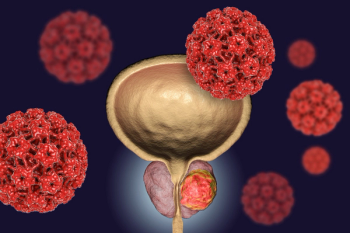
Darolutamide exerts its effects via competitive inhibition of androgen binding.

The trial studied 3 dosing regimens of asparaginase erwinia chrysanthemi (recombinant)-rywn, with cohort 1a receiving 25 mg/m2administered Monday and Wednesday and 50 mg/m2administered on Friday.

Mike Hennessy was the beloved chairman and CEO of MJH Life Sciences.

Further, the 1-year update suggests that Cohort 6 toxicity management strategy can improve certain AEs without compromising the activity of axicabtagene ciloleucel.

The study also found conflicting feelings, as participants seemed overwhelmed by too many recommendations while simultaneously perceiving cancer as an unavoidable death sentence.

Umbralisib (Ukoniq) is indicated for the treatment of adult patients with relapsed or refractory marginal zone lymphoma and relapsed or refractory follicular lymphoma.

Abemaciclib (Verzenio) was recently approved in combination with endocrine therapy for the adjuvant treatment of adult patients with HR–positive, HER2-negative, node-positive, early breast cancer at high risk of recurrence.

The tislelizumab combination met the primary endpoint of OS in patients with programmed death ligand 1 (PD-L1) expression, with additional follow-up needed to assess OS benefits in the intention-to-treat population.
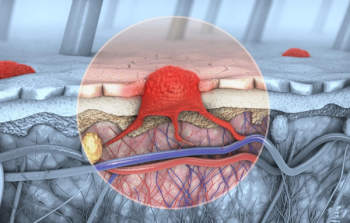
Kimmtrak found to be the first therapy to demonstrate a survival benefit for HLA-A*02:01–positive adult patients with unresectable or metastatic uveal melanoma.

Gliomas begin in the glial cells that surround nerve cells and help them function.