

The global impact of GBS causes approximately 150,000 deaths of babies each year.
The global impact of GBS causes approximately 150,000 deaths of babies each year.

Moderna is currently evaluating 2 HIV vaccine strategies that involve germline targeting and immune-focusing approaches.

BRACAnalysis CDx assay is indicated for use as a companion diagnostic to select patients with germline BRCA-mutated, HER2-negative, high-risk early breast cancer who may derive clinical benefit from olaparib.
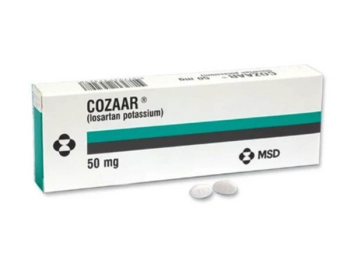
Cozaar is indicated for the treatment of hypertension in adults and children over 6 years of age.
It is essential that women are informed of the risks of potentially teratogenic medications because most birth defects are likely to happen early in pregnancy before women become aware they are pregnant.

Dr. Seiko Diane Yamada, MD, the 53rd president of Society of Gynecologic Oncology (SGO), discussed her goals for SGO during her tenure.

Pharmacists’ expertise in medication use has expanded their role to a critical member of the multi-disciplinary care team.

How ADCs are used at an institution can greatly affect the potential for a drug error to occur incident.

Individuals with multiple sclerosis should follow vaccine guidelines before starting disease-modifying therapies, case study results show.

The risk of developing acute renal failure and septic shock were higher for individuals with necrotizing soft-tissue infections treated with immunoglobulins, investigators say.

Olaparib (Lynparza) approved for patients with germline BRCA-mutated, HER2-negative, high-risk early breast cancer.
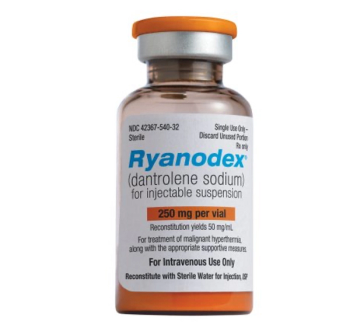
Ryanodex is a skeletal muscle relaxant indicated for the treatment of malignant hyperthermia in conjunction with appropriate supportive measures.
Finch was still able to continue dosing patients in its past-ongoing PRISM-EXT phase 2 open-label trial of CP101 in recurrent CDI, because the CP101 lots used for PRISM-EXT were manufactured from material donated prior to December 1, 2019.

Michael Abrams, MPH, PhD, senior health researcher at Public Citizen’s Health Research Group, discusses whether classification of gabapentin as schedule V would end patients’ access to the drug.

In the third part of the series, we further explore the factors that contribute to overall happiness in a position.

Tapping their specific skill sets and training can help serve patients more effectively, although challenges exist.

Shannon Hough, director of ClinReview and Clinical Content for McKesson, discusses the growing shift to biosimilars in oncology and the impact of increased access and reduced financial burden for patients on medication adherence.

Study highlights the impressive efficacy of direct-acting antivirals, which have cure rates in the range of 98% in patients with hepatitis C.

Thomasina Morris, RPh, MHA, BCOP, pharmacist at Moffitt Cancer Center, discusses what oncology pharmacists should understand about rucaparib when treating ovarian cancer.

Insurers, accountable care organizations, and manufacturers increasingly look for demonstrable clinical outcomes as proof for reimbursement or access to limited distribution networks.

Last month, the FDA approved empagliflozin (Jardiance) to lower the risk of cardiovascular death and hospitalization for heart failure in adult patients.

Supplemental new drug application submitted to the FDA for the approval of darolutamide (Nubeqa) plus docetaxel in patients with metastatic hormone-sensitive prostate cancer.

The COVID-19 pandemic highlighted the importance of managing infections properly globally and the need for stewardship networks among partners.

Despite early excitement about the potential for pharmacists to prescribe COVID-19 oral antivirals, the program does not provide that ability.

The risk of death from CVD was approximately 15% lower for those with the highest vegetable intake compared to the lowest vegetable intake.

Investigators advise third short for patients with weakened immune system, especially organ transplant recipients.

Phase 3 TROPiCS-02 study continues to follow patients for overall survival, a key secondary endpoint.

Ten quiz questions to assess your knowledge on common treatments for heart failure.
Epcoritamab is an investigational immunoglobulin G1-bispecific antibody being evaluated as a treatment for patients with follicular lymphoma in multiple clinical trials.

Pharmacy Times will be covering the upcoming Society of Gynecologic Oncology (SGO) Annual Meeting on Women’s Cancer live in Phoenix, Arizona, taking place March 18 through 21.