

Opinion|Videos|November 18, 2026
Long-Acting HIV Injectables in Viremia and New Tenofovir-Free Oral Options
New evidence extends long-acting injectables to patients with viremia, while a tenofovir-free two-drug oral regimen offers another switch option that demands careful hepatitis B screening first.
Advertisement
Episodes in this series
This episode, "Long-Acting HIV Injectables in Viremia and New Tenofovir-Free Oral Options," features the panel examining long-acting therapy beyond suppressed patients and a newly approved oral option.
Dr. Madison introduces data presented at CROI 2026 on long-acting cabotegravir/rilpivirine in people with viremia and adherence challenges. Dr. Burkhart calls it huge news that dramatically expands the pool of candidates. Previously, long-acting injectables were started only in patients already suppressed, simply to maintain suppression. Now, patients with active viremia and nonadherence may become candidates. That shift could prevent disease progression and onward transmission. Dr. Madison adds that some patients have achieved suppression for the first time since their diagnosis.
Dr. Nguyen then discusses doravirine/islatravir, approved by the FDA in April 2026. It is a first-in-class, tenofovir-free, two-drug oral regimen. It was noninferior to bictegravir/emtricitabine/tenofovir alafenamide in virologically suppressed adults. She explains that the indication is for suppressed patients, not treatment-naive individuals. Candidates should have no history of treatment failure and no resistance to doravirine. Renal function matters, and she notes that dosing depends on whether eGFR is above or below 30. Studies also showed minimal weight change. That makes the regimen appealing for patients concerned about weight gain on current therapy.
Because the regimen contains no tenofovir, it offers no activity against hepatitis B. Dr. Nguyen stresses that hepatitis B serology must be completed before switching. HBV-positive patients were also excluded from the pivotal trials. Pharmacists must therefore screen for coinfection before recommending any switch to a tenofovir-sparing regimen. On coverage, Dr. Nguyen reports that her patients on the regimen have been well covered without prior authorizations.
In "Implementing Novel HIV Therapies: Pharmacist Roles in Retail and Clinic," Dr. Durham will address how pharmacists can make sure novel therapies actually reach the patients who need them.
Funding supported by Gilead. Content independently developed by Pharmacy Times.
Advertisement
Related to this article

Neladalkib received accelerated approval for adults with advanced ALK-positive NSCLC after specified prior therapies, supported by durable responses in the ALKOVE-1 trial.

Adrabetadex cut the risk of death by 55%, but its boxed warning for permanent hearing loss means patients need regular hearing tests.

PAHO confirmed endemic measles transmission in the US, Mexico, and Bolivia, putting pharmacists' role in vaccination and case detection in focus.

Safe storage and responsible disposal help protect patients from accidental poisoning and drug misuse while keeping medications stable and effective.

A new US DOL rule will require PBMs to disclose their compensation to large self-insured employer plans starting in 2027.

Salia Farrokh describes how neurocritical care pharmacists have moved from answering questions to leading research, policy, and teaching, and why health systems must fund dedicated ICU pharmacists and protected time to sustain that growth.
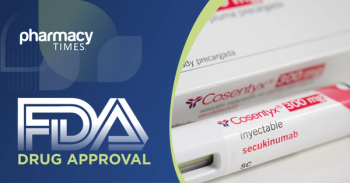
The FDA approved secukinumab for adults with polymyalgia rheumatica who respond inadequately to corticosteroids or cannot tolerate tapering, supported by improved sustained remission and reduced steroid exposure in REPLENISH.

Preserving patient access requires attention to the people, workflows, and financial structures behind the pharmacy counter, not just the number of open pharmacy locations.
Advertisement
Advertisement
Trending on Pharmacy Times
1
Giredestrant Plus Everolimus Wins FDA Approval in ESR1-Mutated Advanced Breast Cancer
2
FDA Grants Accelerated Approval to Neladalkib for Previously Treated ALK-Positive NSCLC
3
FDA Approves Secukinumab as First IL-17 Biologic for Polymyalgia Rheumatica
4
When Medicine Changes Faster Than Health Care: Preparing for a New Era
5