

Opinion|Videos|October 7, 2026
Beyond Viral Suppression: Holistic HIV Care and Remaining Treatment Gaps
As people with HIV live longer, first-line decisions increasingly hinge on cardiovascular risk, comorbidities, and drug interactions — areas where the pharmacist's full view of the medication list matters most.
Advertisement
In "Beyond Viral Suppression: Holistic HIV Care and Remaining Treatment Gaps," our experts look past viral load to the needs of the whole patient.
Dr. Burkhart explains why DHHS guidelines increasingly emphasize cardiovascular risk, metabolic monitoring, and drug interactions alongside antiretroviral selection. For a long time, therapy focused only on suppressing the virus. Now, people with HIV are living much longer, so clinicians must account for diabetes and hepatic, renal, and cardiovascular conditions. He argues that pharmacists are accountable for covering the whole patient. Patients often see multiple providers, and a single physician may not know the full medication list. The pharmacist, however, sees every prescription come through. That vantage point makes pharmacists essential for catching drug interactions, monitoring toxicities, checking in with patients, and relaying findings to prescribers.
Dr. Madison underscores the demographic shift driving this change. More than half of people living with HIV are now 50 or older. She cites projections shared at the most recent International AIDS Conference that, by 2030, over half of people with HIV worldwide will be older than 50.
Dr. Astle then addresses which gaps remain despite today's highly effective therapies. He says the answer encompasses tolerability, pill burden, drug interactions, and comorbidities together. He describes this as an exciting time, with options that differ in dosing duration, long-acting properties, and subcutaneous versus intramuscular administration. The goal is to meet patients where their needs are. Injection site reactions are an important tolerability consideration with long-acting agents.
He also highlights drug interactions in aging populations with cardiovascular risk. Commonly used, well-established statins carry significant interactions with antiretrovirals. Managing lipid-lowering and cardiovascular agents alongside HIV therapy is therefore a critical area for pharmacists. Dr. Madison agrees, noting that these overlapping risks are exactly why pharmacists must review every medication a patient takes rather than the antiretroviral regimen alone.
Up next, in "Lenacapavir for HIV Treatment vs Prevention: Avoiding Pharmacy Dispensing Errors," Dr. Nguyen explains where confusion arises when one molecule carries two very different indications.
Funding supported by Gilead. Content independently developed by Pharmacy Times
Advertisement
Related to this article

In the phase 2 ZUPREME 1 trial, the once-weekly amylin analog was well tolerated, with nausea mostly mild and limited to dose escalation.
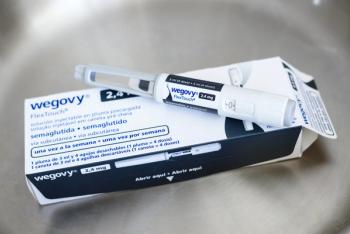
Post hoc STEP UP data at EASD 2026 show liver fat fell from 8.8% to 3.1% at 72 weeks in a 55-person MRI subgroup, though no placebo comparison was reported.
Despite the controversy surrounding mRNA's role in the COVID-19 response, the technology's broader promise—to prevent, treat, and even cure a host of diseases—is coming into focus.
Age is the leading factor in influenza vaccine selection, and vaccination remains effective well beyond the ideal September-to-October window.

As Pharmacy Technician Day approaches, the CEO of the Pharmacy Technician Certification Board argues that real recognition means career ladders, consistent scope regulations, and investment in certification.

William J. Peppard, PharmD, explains how emerging suzetrigine findings after knee arthroplasty connect opioid stewardship with functional recovery and the pharmacist’s role in ensuring treatment access.

Tor Härnqvist, MD, discusses immune testing after invasive pneumococcal disease, serotype-informed vaccine selection, and pharmacists' role in supporting patients on immunoglobulin therapy.
In adults with type 2 diabetes at high cardiovascular (CV) risk, the oral GLP-1 RA also improved HbA1C and weight, with less hypoglycemia but more GI events.
Advertisement
Advertisement
Trending on Pharmacy Times
1
Semaglutide Normalized Liver Fat in Most Adults With Obesity
2
Reframing Statins and Brain Health Around Stroke Prevention
3
mRNA Reenters the Mainstream
4
Phase 3 Trial Finds Adding Monoclonal Antibody to mRNA Vaccine Improves COVID-19 Immunization Tolerability
5