

Opinion|Videos|September 30, 2026
First-Line HIV Therapy: Integrase Inhibitors, Exceptions, and HLA-B*5701 Testing
Integrase inhibitors remain the clear first choice, yet prior long-acting PrEP exposure and the practical realities of same-day starts are reshaping when alternatives make more sense.
Advertisement
"First-Line HIV Therapy: Integrase Inhibitors, Exceptions, and HLA-B*5701 Testing" takes up the question of how closely real-world prescribing follows current recommendations for initial HIV therapy.
Dr. Madison notes that the IAS-USA panel continues to favor integrase strand transfer inhibitor–based regimens built on bictegravir or dolutegravir. Dr. Astle confirms that this carries directly into his clinical practice. He presents patients with the evidence-based options available, but bictegravir- and dolutegravir-based regimens tend to be the most potent and effective. He describes them as second-generation integrase inhibitors with better tolerability and a lower risk of resistance. As a result, straying from these agents for initial treatment is rare. Dr. Madison shares that she used to describe these drugs to patients as the "virus busters."
Asked about exceptions, Dr. Astle identifies the most important one. Patients who previously received long-acting injectable cabotegravir for pre-exposure prophylaxis carry an increased risk of integrase inhibitor resistance. For these patients, a boosted darunavir–based regimen may be the preferred initial option.
Dr. Durham then explains why dolutegravir/abacavir/lamivudine moved from a recommended initial regimen to one reserved for certain clinical scenarios in the DHHS guidelines. He emphasizes that efficacy was never the concern, since it served as a highly effective first-line therapy for many years. The change reflects the guidelines' push toward starting treatment as soon as possible, even on the day of diagnosis. Abacavir requires HLA-B*5701 testing before use, because patients who test positive face a potentially life-threatening hypersensitivity reaction. Those results usually cannot be returned the same day, which makes the regimen impractical at diagnosis.
Dr. Durham reassures that patients already stable on the regimen have presumably been tested and have not experienced hypersensitivity. They can continue it for as long as it remains effective. The change mainly affects new diagnoses, where the regimen should generally be avoided. Dr. Madison connects the shift to the broader goal of removing barriers so patients can begin therapy on the same day.
Our next episode, "Beyond Viral Suppression: Holistic HIV Care and Remaining Treatment Gaps," turns to the holistic lens now shaping first-line decisions and the gaps that persist despite highly effective therapy.
Advertisement
Related to this article

Indirect comparison links orforglipron 17.2 mg to 1.5% more weight loss and 0.3% more A1C lowering than oral semaglutide 25 mg in adults with type 2 diabetes.

Pharmacists can help overcome influenza vaccine hesitancy by correcting common misconceptions, routinely asking every patient about vaccination, and leveraging their standing as trusted health care professionals.

September oncology coverage highlighted new breast and kidney cancer combinations, updated lung cancer labeling, and emerging evidence connecting antibiotic exposure with CAR T-cell outcomes.

Phase 3 TRIUMPH-2 data presented at EASD show HbA1c reductions up to 1.6%, with GI effects, hypotension, and dysesthesia as key counseling points.
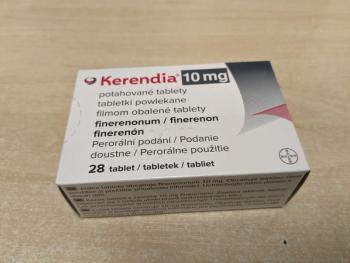
In a FINE-HEART analysis, cancer history raised the risk of death and hospitalization but did not blunt finerenone's cardiovascular and kidney benefits.

Hemoglobin, platelets, bleeding, pericardial effusions, and intrapulmonary shunting top the monitoring list for patients with pulmonary arterial hypertension (PAH) starting with sotatercept, according to Vallerie McLaughlin, MD.

Marie-Claire Seeley, PhD, MNurs, RN, discusses standing tests, medication review, and what inflammatory findings may mean for future POTS treatment.

FDA clears tiratricol for MCT8 deficiency, lowering dangerous T3 and outlining dosing, lab testing, and pharmacy access.
Advertisement
Advertisement
Trending on Pharmacy Times
1
FDA Approves Tiratricol, First Treatment for MCT8 Deficiency
2
Pharmacists Can Close CKD Medication Adherence Gaps, PHTI Says
3
Sotatercept in ERS PAH Guidelines: What Pharmacists Should Watch
4
Expert Q&A: Researcher Urges Autonomic Assessment for Patients With Long COVID
5