

Opinion|Videos|October 7, 2026
Lenacapavir for HIV Treatment vs Prevention: Avoiding Pharmacy Dispensing Errors
One molecule now carries both a prevention and a treatment indication, and the panel outlines how pharmacists serve as the critical checkpoint against dispensing errors and inadvertent monotherapy.
Advertisement
This episode, "Lenacapavir for HIV Treatment vs Prevention: Avoiding Pharmacy Dispensing Errors," features the panel examining a real-world dispensing risk created by a single agent approved for two indications.
Dr. Nguyen explains that confusion is inevitable because the same molecule, lenacapavir, is marketed for two distinct uses. One product is approved for pre-exposure prophylaxis, and the other is approved for HIV treatment. Prevention use requires a negative HIV test before initiation and before each subsequent injection. Treatment use is not monotherapy, however. It must be combined with other antiretrovirals and is reserved for heavily treatment-experienced patients with multidrug resistance or failing regimens.
When the prescription reaches the pharmacy, Dr. Nguyen says the first step is to double-check the diagnosis. Some electronic health records let prescribers indicate HIV-negative status, but systems differ in capability. Some display only the generic name, so the correct product must be selected. She describes the pharmacist as the second checkpoint after the prescriber. The key anchor is confirming that the diagnosis and HIV status match the product dispensed. She adds that the prevention product is heavily advertised, while the treatment product has limited distribution. A retail pharmacist unfamiliar with HIV care may therefore assume every lenacapavir prescription is for prevention. That assumption should never be made.
Dr. Madison stresses that discussing treatment with someone seeking prevention could be upsetting and off-putting. Dr. Astle adds that long-acting agents revive the older all-or-none counseling principle. Clinicians have grown comfortable with complete single-tablet regimens, but treatment lenacapavir and treatment cabotegravir both require companion agents. Pharmacists must ensure patients are not left on functional monotherapy, particularly when delivery delays occur. Dr. Madison agrees that coordination and accurate records are essential. Dr. Burkhart encourages patients to fill all medications at one pharmacy so the complete regimen is visible. Dr. Madison notes that patients average about 20 pharmacy touch points a year, which makes that consistency valuable.
In "Why HIV Innovation Continues: New Mechanisms and the Long-Acting Pipeline," the panel will explore why the field keeps investing in new mechanisms and which long-acting candidates pharmacists should be watching.
Funding supported by Gilead. Content independently developed by Pharmacy Times
Advertisement
Related to this article

In the phase 2 ZUPREME 1 trial, the once-weekly amylin analog was well tolerated, with nausea mostly mild and limited to dose escalation.
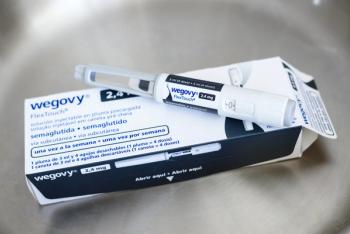
Post hoc STEP UP data at EASD 2026 show liver fat fell from 8.8% to 3.1% at 72 weeks in a 55-person MRI subgroup, though no placebo comparison was reported.
Despite the controversy surrounding mRNA's role in the COVID-19 response, the technology's broader promise—to prevent, treat, and even cure a host of diseases—is coming into focus.
Age is the leading factor in influenza vaccine selection, and vaccination remains effective well beyond the ideal September-to-October window.

As Pharmacy Technician Day approaches, the CEO of the Pharmacy Technician Certification Board argues that real recognition means career ladders, consistent scope regulations, and investment in certification.

William J. Peppard, PharmD, explains how emerging suzetrigine findings after knee arthroplasty connect opioid stewardship with functional recovery and the pharmacist’s role in ensuring treatment access.

Tor Härnqvist, MD, discusses immune testing after invasive pneumococcal disease, serotype-informed vaccine selection, and pharmacists' role in supporting patients on immunoglobulin therapy.
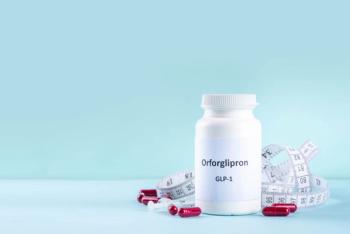
In adults with type 2 diabetes at high cardiovascular (CV) risk, the oral GLP-1 RA also improved HbA1C and weight, with less hypoglycemia but more GI events.
Advertisement
Advertisement
Trending on Pharmacy Times
1
Semaglutide Normalized Liver Fat in Most Adults With Obesity
2
Reframing Statins and Brain Health Around Stroke Prevention
3
mRNA Reenters the Mainstream
4
Phase 3 Trial Finds Adding Monoclonal Antibody to mRNA Vaccine Improves COVID-19 Immunization Tolerability
5