

Pharmacists can educate patients and health care professionals in addition to coordinating lab orders, interpreting results, and guiding patients through the next steps.

Gillian McGovern is an editor at Pharmacy Times®. She graduated from Rowan University in 2023 with a BA in Writing Arts and concentrations in Publishing & Writing for the Public, Technical & Professional Writing, and Creative Writing.
Pharmacists can educate patients and health care professionals in addition to coordinating lab orders, interpreting results, and guiding patients through the next steps.
The action follows 2 FDA-issued complete response letters.
Jennifer Goldman, PharmD, CDCES, BC-ADM, FCCP, explains the different stages of type 1 diabetes, teplizumab’s use, and emphasizes the pharmacist’s role in care.

Discover effective strategies for managing obesity to enhance cardiovascular health, including innovative treatments and the vital role of pharmacists.

The researchers speculate that this is because of the antioxidant and anti-inflammatory properties of coffee and tea.

Recent data link a higher consumption of ultraprocessed food to increased lung cancer risk, highlighting the need for dietary changes and further research.

The FDA approved fremanezumab for pediatric migraine prevention, offering a new treatment option for children and adolescents aged 6 to 17 years.

Herzuma shows promising efficacy and safety as a cost-effective biosimilar for treating HER2+ advanced gastric cancer, offering new hope for patients.

The FDA approves aceclidine ophthalmic solution 1.44%, the first aceclidine eye drop for presbyopia, offering a new solution for millions struggling with near vision loss.

The authors note that the findings can have significant public health implications given the widespread water chlorination and increased chronic kidney disease burden.

A recent study reveals Mvasi's comparable safety profile to Avastin for retinal diseases, highlighting the need for on-label biosimilars in ophthalmology.

The treatment proved efficacy across all 3 key markers of C3 glomerulopathy (C3G) and primary immune complex membranoproliferative glomerulonephritis (IC-MPGN).
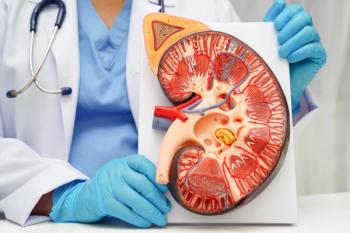
A phase 2 trial shows oxylanthanum carbonate (OLC) effectively manages hyperphosphatemia in patients with chronic kidney disease (CKD), offering a promising treatment option.

The combination regimen had stronger benefits in patients with locally advanced or metastatic epidermal growth receptor-mutated (EGFRm) non–small cell lung cancer (NSCLC) than osimertinib alone.
GLP-1 receptor agonists show promise in alleviating PCOS symptoms, including weight loss and menstrual regulation, despite needing further research.

There were also no observed differences in retention rates or safety among patients with ankylosing spondylitis.

New research reveals uranium isotopes in urine as potential biomarkers for kidney damage, highlighting risks from contaminated drinking water in the US.

Results from the ZENITH trial show sotatercept's promise for pulmonary arterial hypertension treatment.
The complete response letter (CRL) did not raise safety concerns, but stated the IGNYTE trial was inadequate and did not provide substantial evidence of effectiveness.
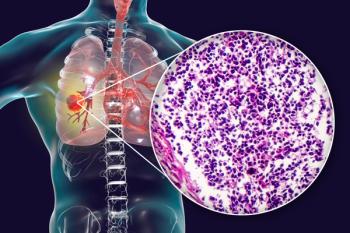
Neladalkib enters phase 3 trials, targeting advanced ALK-positive NSCLC, promising improved outcomes for TKI-naive patients with brain metastases.

The CRL states that the STARGLO data do not provide sufficient evidence to support the second-line indication in the US patient population.

The biosimilar showed similar efficacy, pharmacokinetics, pharmacodynamics, safety, quality of life, and immunogenicity in patients with chronic spontaneous urticaria (CSU).

Patients with chronic kidney disease (CKD) were more likely to get vaccinated for influenza and pneumococcal following a health care provider’s recommendation.

The expanded instructions for use labeling expand on the Farawave and Farawave Nav Pulsed Field Ablation (PFA) catheters.

BCPPs can address behavioral health workforce shortages and advocate for expanded access and reimbursement amid evolving legislation and treatment landscapes.

This designation is significant because there are no FDA-approved treatments for transplant recipients with or preventing antibody-mediated rejection (AMR).

These health care professionals are crucial to optimizing safety in medication therapy, addressing policy barriers, and the collaboration with others in the field.

The long-term outcomes from the CARTITUDE-1 trial in multiple myeloma and durable complete response data from the STARGLO trial in diffuse large B-cell lymphoma can be significant for these disease states.

Steroids hindered the shrinkage of tumors in patients with non-small cell lung cancer (NSCLC) receiving immune checkpoint inhibitor (ICI) therapy.

The study found biosimilar initiation rose to nearly 42% from 2016 to 2023.