

This alternative to IV infusion reduces patient treatment times and eases providers’ operational burdens.
This alternative to IV infusion reduces patient treatment times and eases providers’ operational burdens.
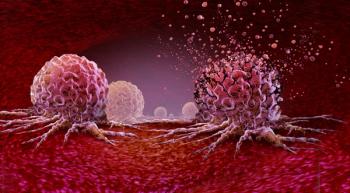
Pyrotinib is a tyrosine kinase inhibitor that is independently developed in China.

The combination yielded superior progression-free (PFS) survival compared with standard of care.

Patients in both arms achieved statistically significant rates of compliance up to 97%.
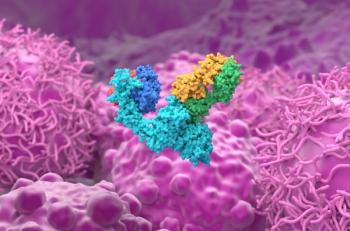
PAK5 is a protein that drives resistance to trastuzumab emtansine in patients with HER2+ breast cancer.

Thrombosis occurs in approximately 20% of myeloproliferative neoplasms.

Experts attribute the increase of pertussis cases to declining DTaP vaccination rates.

The meaningful results were reported in the DESTINY-Breast09 trial.

Cases have been confirmed in Mexico and Canada.

Real-world data support momelotinib as an effective and well-tolerated treatment for myelofibrosis-related anemia.

Sequencing of antibody-drug conjugates (ADCs) in HER2-mutated breast cancer is crucial for optimizing treatment outcomes.

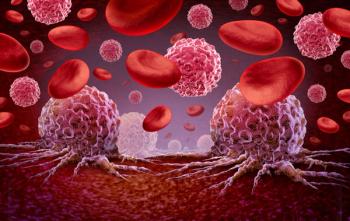
Undetectable minimal residual disease rates improved with ongoing therapy.

The data showed improvements in overall response rates, progression-free survival, and duration of response.

Iman Ahmed, PharmD, BCOP, shared key insights about how social determinants of health impact treatment access and outcomes for patients with leukemia.

Zahra Mahmoudjafari, PharmD, BCOP, FHOPA, shared insight from the HOPA Annual Meeting 2025.

Arefa Bacchus, PharmD, shared key insights about the use of POMP therapy in patients with acute lymphoblastic leukemia (ALL).

Monica Sawiris, PharmD, said there were noticeable differences in toxicities between each regimen.

Erin Lexner, PharmD, BCPS, discussed her team’s experience transitioning to outpatient BEAM from inpatient CBV.

Shelby Quinn, PharmD, BCOP shares insights about treatment using osimertinib in early lines.

Imlunestrant is an investigational, brain-penetrating, oral selective degrader of estrogen receptor.

Pharmacists share key insights about the use of ADCs for treatment of breast cancer.

Christine Barrett, PharmD, BCOP, shares insights, challenges, and advice for oncology pharmacists navigating neoadjuvant therapy.

Jessica Davis, PharmD, BCOP highlights the role of pharmacy technicians in ambulatory oncology clinic settings.

Lauren Dietz, PharmD, highlighted the role of oncology pharmacists in guiding prophylaxis decisions to optimize transplant outcomes.

Julia Ziegengeist, PharmD, BCOP offers insights for pharmacists navigating adjuvant and neoadjuvant treatment of breast cancer.
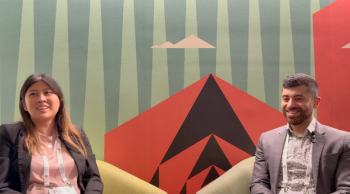
Amir Ali, PharmD, BCOP, and Allison Hsieh, PharmD share insights from their presentation about cytokine release syndrome, ICANS, and CAR T-cell therapy.

Alexandra Wolff, PharmD, BCOP, FHOPA, was awarded a fellow of HOPA at the 2025 annual meeting.

Mya Tran, PharmD, BCOP, offers insights for navigating the complex treatment landscape for non-small cell lung cancer.

Michael Arnold, PharmD, discussed the role of oncology pharmacists in enhancing biomarker testing for patients with metastatic colorectal cancer.