
Adrabetadex cut the risk of death by 55%, but its boxed warning for permanent hearing loss means patients need regular hearing tests.
Adrabetadex cut the risk of death by 55%, but its boxed warning for permanent hearing loss means patients need regular hearing tests.

The FDA's decision comes weeks ahead of giredestrant's scheduled approval date.

Dexmedetomidine is approved, becoming the first at-home treatment for schizophrenia-associated agitation.

Category 1 placement for belantamab mafodotin plus bortezomib and dexamethasone puts guideline support ahead of the FDA label.

Adding the IL-15 agonist to frontline BCG improved responses in carcinoma in situ without new safety signals; full data are expected at an upcoming congress.
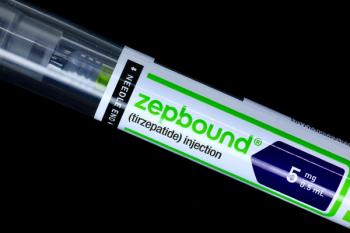
The new agreement lets Hims & Hers patients obtain FDA-approved tirzepatide and orforglipron at Lilly’s self-pay prices.

Accelerated approval for patients who progressed on platinum and immunotherapy brings a new mechanism—and a familiar toxicity profile.

Expected in the first half of 2028, the planned separation would create a stand-alone retail pharmacy company with nearly 30,000 pharmacists.

ESMO 2026 lung cancer trials reshape first-line care with tarlatamab maintenance, stronger KRAS G12C results, and TROP2 ADC gains, raising pharmacy monitoring demands.

ESMO 2026 breast cancer updates show ribociclib boosts survival, while immunotherapy and extended endocrine therapy improve end points without longer overall survival.

Phase 3 data show pembrolizumab beats chemotherapy, offering durable first-line control with fewer severe toxicities and chemo-free potential.

Phase 2 DeLLphi-309 data show comparable activity in previously treated SCLC with less frequent dosing.
Ramantamig trispecific shows deep, durable myeloma responses, with tocilizumab easing CRS and enabling safer outpatient dosing.
MRD-guided stopping in multiple myeloma shows many patients stay disease-free for 4 years.

TecDara shows strong myeloma control, but early infection risk demands vigilant prophylaxis; safety improves after six months, supporting second-line use.

A phase 3 trial shows etentamig boosts response and delays progression in triple-class exposed RRMM.

IRAKLIA data show that isatuximab OBI boosts comfort and satisfaction vs IV in multiple myeloma, enabling fast at-home dosing with strong completion rates.

New BCMA bispecific shows durable myeloma responses with low severe CRS/ICANS, fewer infections, and convenient outpatient dosing in TRAVINO.

Gut microbiome disruption from antianaerobic antibiotics weakens CAR T-cell therapy, raising relapse and CRS/ICANS risk; stewardship and microbiome repair may improve cancer outcomes.

Isatuximab plus Iberdomide maintenance helps MRD-positive myeloma patients turn MRD-negative after transplant, with manageable safety.

For as long as practicing oncology pharmacists have been in the field, multiple myeloma has carried a standard caveat: treatable, not curable—now that is changing.
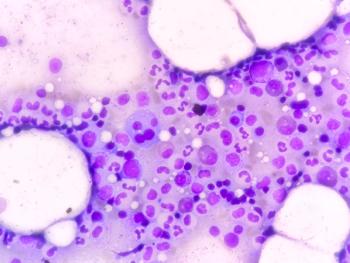
Linvoseltamab drives deep, MRD-negative responses in high-risk smoldering multiple myeloma, raising earlier-treatment and payer coverage questions.

Eight-year phase 3 ADAURA trial data show adjuvant osimertinib boosts survival in patients with resected EGFR-mutant NSCLC.

September highlights Blood Cancer Awareness Month, focusing on education, early diagnosis, and support for multiple myeloma, lymphoma, and leukemia patients.

Phase 3 HARMONi-2 interim analysis shows first bispecific PD-1/VEGF antibody outperforming standard immunotherapy in first-line NSCLC.

Cancer diagnoses among civilians exposed to 9/11 dust keep rising, with strained health programs struggling to meet growing needs.

An ifosfamide shortage prompts cancer treatment concerns and new importation efforts.

Blood Cancer Awareness Month highlights types of blood cancer and how pharmacists flag multiple myeloma symptoms early, speeding referral and care.

This FAQ describes what oncology pharmacists should know ahead of Gynecologic Cancer Awareness Month in September.

Tarlatamab targets DLL3 in lung cancer; learn step-up dosing, CRS/ICANS monitoring, and pharmacy tips to keep patients safely on therapy.

Published: November 4th 2026 | Updated: November 6th 2026

Published: February 2nd 2016 | Updated: September 3rd 2026

Published: April 18th 2025 | Updated: April 21st 2025

Published: January 22nd 2025 | Updated: January 28th 2025