

Research reveals that clinical stage significantly influences survival rates in HER2-positive breast cancer patients undergoing neoadjuvant chemotherapy.
Research reveals that clinical stage significantly influences survival rates in HER2-positive breast cancer patients undergoing neoadjuvant chemotherapy.

New research reveals that immunoglobulin replacement therapy fails to lower infection-related hospitalizations in those with chronic lymphocytic leukemia (CLL), raising treatment concerns.

Christopher Lis, senior director at JD Power, shared key insights about the report and what the pharmacy landscape currently looks like.

New research uncovers the complex tumor microenvironment in multiple myeloma, revealing unique plasma cell ecosystems that challenge existing treatment approaches.

Morgan Cantley, PharmD, BCOP, shares key insights about the HER2-targeting antibody-drug conjugate trastuzumab deruxtecan.
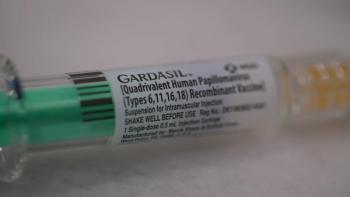
Many adults remain unaware of HPV's cancer risks, highlighting the urgent need for increased awareness.

Acalabrutinib shows improved safety and survival rates in chronic lymphocytic leukemia (CLL), reducing risks of mortality and cardiovascular complications.

Elicio Therapeutics' ELI-002 2P cancer vaccine shows promising survival benefits in patients with pancreatic and colorectal cancer, enhancing immune responses.
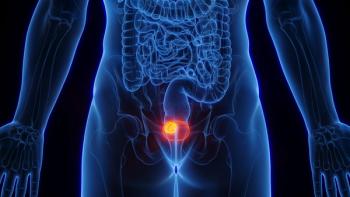
TAR-200 shows promise in treating BCG-unresponsive bladder cancer, achieving 82% tumor elimination and offering new hope for patients.

The JD Power 2025 US Pharmacy Study reveals rising satisfaction with mail-order pharmacies and supermarkets, driving a shift in prescription fulfillment preferences.

Brensocatib emerges as the first FDA-approved treatment for non-cystic fibrosis bronchiectasis, revolutionizing care and targeting chronic inflammation.
Harvard researchers reveal lithium deficiency as a potential early driver of Alzheimer disease, suggesting new treatment avenues for patients.
SWIFT-seq revolutionizes multiple myeloma diagnosis, offering a noninvasive blood test that enhances monitoring and risk assessment for patients.

The action is supported by positive safety and efficacy findings from the phase 1a/1b first-in-human Beamion LUNG-1 trial.

Birelentinib gains FDA fast track designation, offering hope for relapsed CLL/SLL patients resistant to current BTK and BCL2 therapies.
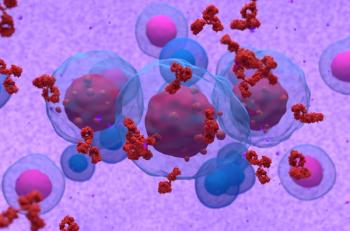
CARTITUDE-1 data show one-third of patients treated with cilta-cel remain progression free at 5 years without maintenance.

PHESGO reduced patient infusion time from 90 minutes to as few as 5, enhancing patient experience while maintaining efficacy and safety.

Discontinuing lenalidomide after 3 years of MRD negativity shows low relapse rates in multiple myeloma, offering hope for treatment-free remission.
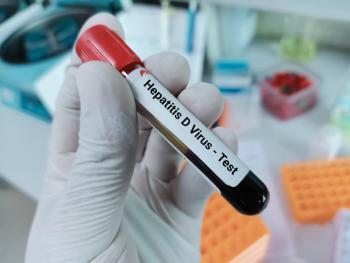
WHO reclassifies hepatitis D as carcinogenic, urging global action to combat viral hepatitis and reduce liver cancer risk.

Maximizing pharmacists’ impact on medication safety requires removing barriers to intervention and empowering proactive clinical roles.


Sanofi's SAR446523 receives orphan drug designation for relapsed/refractory multiple myeloma, enhancing treatment options and patient outcomes.

Pirtobrutinib shows promising results in a head-to-head trial against ibrutinib for chronic lymphocytic leukemia (CLL)/small lymphocytic leukemia (SLL).

Decentralized pharmacists play a critical role in reducing medication errors by collaborating in real time with physicians and nurses to enhance patient safety across care settings.

Kevin Chen, PharmD, MS, BCOP, CPP; and Amanda Cass, PharmD, BCPS, BCOP, share key insights about ROS1, non-small cell lung cancer, and the newly approved drug taletrectinib.
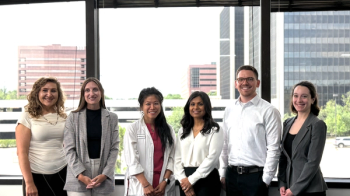
Pharmacists share their institution's individual, unique approaches to medication safety.

Emerging trial results reveal gedatolisib significantly enhances progression-free survival (PFS) in advanced HR+/HER2- breast cancer.

Pharmacist share actionable insights for EMR utilization and facilitation of medication safety practices.