

Alexandra Gerlach, Senior Content Producer
Advertisement
Articles by Alexandra Gerlach, Senior Content Producer
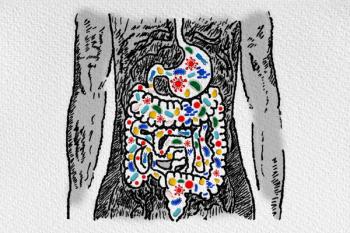
Explore how the gut microbiome influences cancer therapy responses, resistance mechanisms, and the potential of microbiota-focused strategies for improved outcomes.

Groundbreaking oncology drugs transform treatment for glioblastoma, HR+ breast cancer, and small cell lung cancer.

Enhanced dermatologic management reduces skin rash and improves quality of life for patients with EGFR-mutant non-small cell lung cancer.


Zongertinib shows significant benefits in managing symptoms and improving quality of life for patients with HER2-mutated non-small cell lung cancer.

Elranatamab shows promising efficacy and manageable safety in transplant-ineligible newly diagnosed multiple myeloma patients, highlighting its potential as a treatment option.
Daratumumab combined with VRd significantly improved outcomes in transplant-ineligible/transplant deferred patients with newly diagnosed multiple myeloma.
Epcoritamab shows impressive long-term remission rates in relapsed large B-cell lymphoma, highlighting its potential as a key treatment option.
This segment takes a deeper dive into toxicity management—focusing not just on what to monitor, but how institutions are putting these protocols into action in real-world clinical settings.

The data from the phase 3 SEQUOIA study are to be presented at the 2025 ASCO Annual Meeting.

Imetelstat shows promise in treating myelofibrosis, enhancing survival, and modifying disease biology in patients resistant to JAK inhibitors.

Physical activity significantly enhanced quality of life and reduced fatigue and depression in patients with newly diagnosed multiple myeloma.
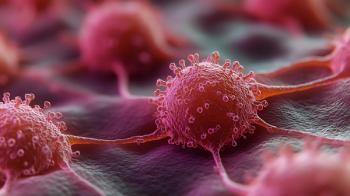
APOBEC3 mutagenesis emerges as a key factor in breast cancer treatment resistance, offering new avenues for targeted therapies and predictive biomarkers.

Mepolizumab gains FDA approval as a promising add-on therapy for COPD patients with eosinophilic phenotype, reducing exacerbation rates significantly.

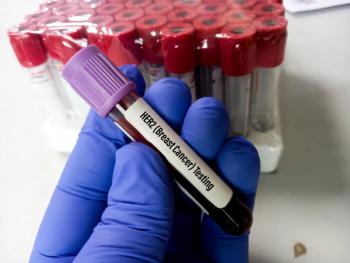
Trastuzumab deruxtecan (T-DXd) yielded favorable outcomes and improved survival rates.

In a session at the 2025 Virtual Conference on Pain and Palliative Care, Isabella Zerfas, PharmD, and Abbey Galligan, PharmD, BCPS, explore effective pain management strategies for opioid use disorder (OUD) and complex persistent opioid dependence.

The data were presented at the ESMO Breast Cancer 2025 Annual Meeting.

Studies suggest that prolonged activation of MUC1-C encourages disease progression.

The combination demonstrated improved efficacy compared with ruxolitinib as a monotherapy.
Don Moore, PharmD, BCPS, BCOP, DPLA, FCCP, FASHP, received a leadership award at the 2025 HOPA Annual Meeting.
Pharmacists compare real-world practice data with clinical trial results and discuss supportive care options for patients.

The approval expands the therapy’s indication to children as young as 7 years.

Aficamten, a cardiac myosin inhibitor, gains FDA approval, offering hope for improved cardiovascular health in patients with obstructive hypertrophic cardiomyopathy.
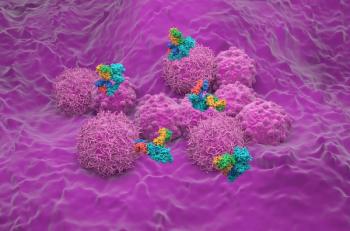
New data reveals that combining pertuzumab with trastuzumab significantly improves survival rates in HER2+ breast cancer patients, reducing death risk by 17%.

Combining olaparib with neoadjuvant chemotherapy enhances survival rates for early-stage gBRCAm triple-negative breast cancer, offering new hope for patients.

Ibrutinib offers comparable survival outcomes for high-risk chronic lymphocytic leukemia patients, challenging traditional prognostic markers in real-world settings.

The data are from the phase 2 iMMagine-1 study.
Advertisement
Advertisement
Advertisement
Trending on Pharmacy Times
1
FDA Approves Tavapadon, First D1/D5 Agonist for Parkinson Disease
2
CagriSema Tops Tirzepatide 5 mg for Weight Loss in REIMAGINE 5
3
Engineered Stem Cell Therapy Reverses New-Onset T1D in Mice by Reprogramming T Cells
4
CKD Prevalence Unmoved Despite Billions in Virtual Care
5