

Opinion|Videos|August 19, 2026 (Updated: June 30, 2026)
Sequencing in Focus: Pharmacists Reflect on the Impacts of MajesTEC-3 and MajesTEC-9 Data in Myeloma
In this episode, 'Sequencing in Focus: Pharmacists Reflect on the Impacts of MajesTEC-3 and MajesTEC-9 Data in Myeloma,' the oncology pharmacists explore the following questions:
Advertisement
Episodes in this series
In this episode, 'Sequencing in Focus: Pharmacists Reflect on the Impacts of MajesTEC-3 and MajesTEC-9 Data in Myeloma,' the oncology pharmacists explore the following questions:
How has the tec-dara prior exposure data shaped how you think about sequencing, and what does that data show for patients with prior exposure?
Now with the latest MajesTEC-9 data studying teclistamab monotherapy, what are your impressions of that data?
The panelists examined the landmark MajesTEC-3 data, highlighting the striking hazard ratio of 0.17 for progression-free survival with the teclistamab plus daratumumab combination versus investigator's choice of daratumumab-based triplet therapy, as well as a statistically significant overall survival benefit at 34.5 months of follow-up, establishing the TecDara combination as an FDA-approved and NCCN-incorporated second-line standard for appropriate patients. The discussion also contextualized an important limitation of the MajesTEC-3 data, that only approximately 5% of trial patients had received prior daratumumab, reflecting the enrollment period before quadruplet induction became standard, and highlighted the MajesTEC-9 trial presented at ASCO as a critical next step, showing that teclistamab monotherapy significantly outperformed investigator's choice triplet and doublet regimens even in a population that was approximately 85% daratumumab-refractory. The panelists closed with an optimistic forward-looking perspective on sequencing, anticipating that maturing data for elranatamab and linvoseltamab will similarly support earlier-line use, and expressing excitement about the possibility of time-limited bispecific therapy protocols in the future, where patients might complete a defined course of treatment and achieve durable responses without remaining on therapy indefinitely.
Throughout the conversation, the experts provide a comprehensive reflection on the field and the factors that may shape how clinicians approach care moving forward.
The next episode in this series, 'Outpatient Bispecific Initiation: Emerging Trends, Eligibility Criteria, and Operational Readiness,' features the panelists advancing their conversation on multiple myeloma and focusing on the growing trend toward outpatient bispecific antibody initiation.
Advertisement
Related to this article
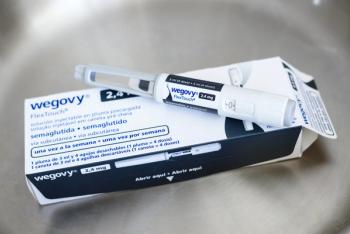
Post hoc STEP UP data at EASD 2026 show liver fat fell from 8.8% to 3.1% at 72 weeks in a 55-person MRI subgroup, though no placebo comparison was reported.
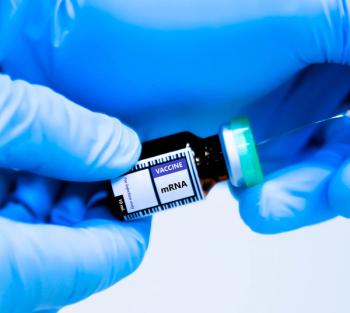
Despite the controversy surrounding mRNA's role in the COVID-19 response, the technology's broader promise—to prevent, treat, and even cure a host of diseases—is coming into focus.

Age is the leading factor in influenza vaccine selection, and vaccination remains effective well beyond the ideal September-to-October window.

As Pharmacy Technician Day approaches, the CEO of the Pharmacy Technician Certification Board argues that real recognition means career ladders, consistent scope regulations, and investment in certification.

William J. Peppard, PharmD, explains how emerging suzetrigine findings after knee arthroplasty connect opioid stewardship with functional recovery and the pharmacist’s role in ensuring treatment access.

Tor Härnqvist, MD, discusses immune testing after invasive pneumococcal disease, serotype-informed vaccine selection, and pharmacists' role in supporting patients on immunoglobulin therapy.

In adults with type 2 diabetes at high cardiovascular (CV) risk, the oral GLP-1 RA also improved HbA1C and weight, with less hypoglycemia but more GI events.
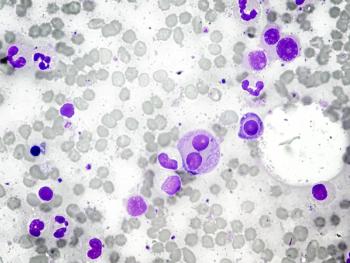
In an interview with Pharmacy Times, LINKER-SMM1 study investigator Paula Rodríguez-Otero, MD, PhD, a hematologist at Clínica Universidad de Navarra in Pamplona, Spain, explains how researchers selected high-risk patients and how she weighs infections against the potential to prevent progression to active disease.
Advertisement
Advertisement
Trending on Pharmacy Times
1
Butter, Beef Tallow, and LDL: Where Dietary Guidelines Diverge
2
Why Patients Fear Statins Will Affect Their Memory
3
Suzetrigine After Knee Replacement: Are Fewer Opioid Prescriptions Enough?
4
Orforglipron Shows CV Safety vs Insulin Glargine in ACHIEVE-4
5