
Opinion|Videos|July 8, 2026 (Updated: June 30, 2026)
When It Works: Best-Case Scenarios and Lessons Learned From Successful Care Transitions in Myeloma
In 'When It Works: Best-Case Scenarios and Lessons Learned From Successful Care Transitions in Myeloma,' our panel of experts delve into the following critical question:
Advertisement
Episodes in this series
In 'When It Works: Best-Case Scenarios and Lessons Learned From Successful Care Transitions in Myeloma,' our panel of experts delve into the following critical question:
Please describe a real patient case where the academic-to-community transition went well. Can you walk us through what happened and what specifically made it work?
Led by the moderator, the panelists discussed what successful myeloma transitions look like in real-world practice, with examples illustrating that the most seamless handoffs share a common foundation of proactive relationship-building, including scheduling one-on-one meetings with academic hematology departments, leveraging professional organization roundtables to establish contacts, and maintaining regularly updated communication lists so that both academic and community partners always know which sites are offering step-up dosing or maintenance and can route patients accordingly. The discussion also walked through concrete best-case scenarios for specific bispecific antibody products, describing how patients initiating teclistamab may spend five to six days inpatient for step-up dosing before transitioning to community-based maintenance as early as their day 15 dose, while patients on other agents may require two separate 24- to 48-hour observation periods before being able to return home for ongoing treatment. The panelists emphasized that the consistent thread running through every successful transition is not the product being used or the size of the institution involved, but rather the early, open, and ongoing communication between academic and community partners that allows both sides to respond quickly and confidently when a handoff is needed.
Throughout the conversation, the experts provide a comprehensive reflection on the field and the factors that may shape how clinicians approach care moving forward.
Our next episode, 'Roles, Resources, and Relationships: The Stakeholder Framework Behind Successful Myeloma Care Transitions,' further explores multiple myeloma, highlighting the specific contributions each key stakeholder makes to a successful bispecific antibody transition, and the practical tools and shared resources that are helping institutions build safer, more consistent handoff processes across care settings.
Newsletter
Stay informed on drug updates, treatment guidelines, and pharmacy practice trends—subscribe to Pharmacy Times for weekly clinical insights.
SubscribeAdvertisement
Related to this article

The gap is not a paperwork inconvenience—it is a cash flow problem with clinical consequences.
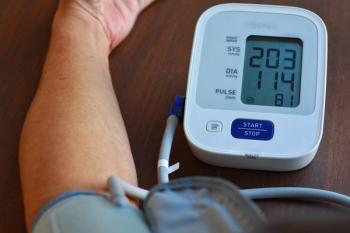
A meta-analysis of 27 trials found 15% lower cardiovascular (CV) event risk per 10-mm Hg SBP reduction, with eGFR declines but no rise in kidney failure.

In an interview with Pharmacy Times, City of Hope researchers discuss a preclinical platform designed to redirect CAR T cells after infusion and how pharmacists could help bring this adaptable approach into clinical practice.

Pharmacists can explain the evidence supporting the intramuscular injection, address specific concerns, and help families understand what is known—and what is not known—about oral vitamin K.

As earning years peak, so do spending and responsibility—here’s where midcareer pharmacists should focus their financial decision-making.

In the phase 2 ZUPREME 1 trial, the once-weekly amylin analog was well tolerated, with nausea mostly mild and limited to dose escalation.
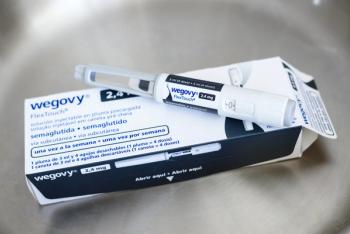
Post hoc STEP UP data at EASD 2026 show liver fat fell from 8.8% to 3.1% at 72 weeks in a 55-person MRI subgroup, though no placebo comparison was reported.
Despite the controversy surrounding mRNA's role in the COVID-19 response, the technology's broader promise—to prevent, treat, and even cure a host of diseases—is coming into focus.
Advertisement
Advertisement