

Opinion|Videos|July 8, 2026 (Updated: June 30, 2026)
Roles, Resources, and Relationships: The Stakeholder Framework Behind Successful Myeloma Care Transitions
This episode, titled 'Roles, Resources, and Relationships: The Stakeholder Framework Behind Successful Myeloma Care Transitions,' features oncology pharmacists discussing the following critical questions:
Advertisement
Episodes in this series
This episode, titled 'Roles, Resources, and Relationships: The Stakeholder Framework Behind Successful Myeloma Care Transitions,' features oncology pharmacists discussing the following critical questions:
Who were the key stakeholders involved in both the academic and community sides and what did each of them contribute to making the transition successful?
What resources, tools, or protocols were shared between centers, and how were those handoffs structured?
Led by the moderator, the panelists examined the specific contributions each stakeholder makes to a successful bispecific antibody care transition, emphasizing that effective handoffs require engagement across the full care team and that each member plays a distinct and irreplaceable role in ensuring that the receiving site is fully prepared before a patient arrives. The discussion also highlighted the critical importance of REMS enrollment and side effect education as foundational elements of community site onboarding, with the panelists noting that community centers newer to bispecific antibody administration may not have prior experience with cytokine release syndrome (CRS) or neurotoxicity, making the proactive sharing of institutional CRS prevention and management protocols between academic and community partners an essential act of clinical generosity that ultimately benefits patients regardless of where they receive care. The panelists further outlined the practical patient-facing tools that have proven particularly valuable in supporting safe transitions, including manufacturer-provided supportive care kits equipped with blood pressure cuffs, pulse oximeters, and thermometers for remote monitoring, as well as wallet cards and bracelets that identify patients as bispecific antibody recipients, ensuring that emergency department staff anywhere in the country have the information and contacts needed to provide appropriate care if a patient presents with a complication far from their treating institution.
Throughout the conversation, the experts provide a comprehensive reflection on the field and the factors that may shape how clinicians approach care moving forward.
In the next episode, 'When Transitions Break Down: Real-World Challenges and Lessons Learned in Myeloma Care Handoffs,' panelists will continue their discussion on multiple myeloma and highlight real-world cases where academic-to-community transitions did not go as planned, examining the specific breakdowns in communication, REMS readiness, and logistical coordination that created challenges for patients and providers, and the lessons each institution took away from those experiences.
Newsletter
Stay informed on drug updates, treatment guidelines, and pharmacy practice trends—subscribe to Pharmacy Times for weekly clinical insights.
SubscribeAdvertisement
Related to this article

The gap is not a paperwork inconvenience—it is a cash flow problem with clinical consequences.
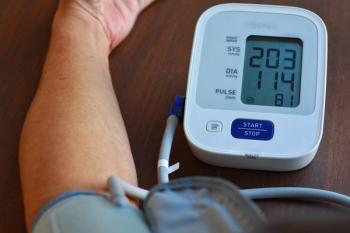
A meta-analysis of 27 trials found 15% lower cardiovascular (CV) event risk per 10-mm Hg SBP reduction, with eGFR declines but no rise in kidney failure.

In an interview with Pharmacy Times, City of Hope researchers discuss a preclinical platform designed to redirect CAR T cells after infusion and how pharmacists could help bring this adaptable approach into clinical practice.

Pharmacists can explain the evidence supporting the intramuscular injection, address specific concerns, and help families understand what is known—and what is not known—about oral vitamin K.

As earning years peak, so do spending and responsibility—here’s where midcareer pharmacists should focus their financial decision-making.

In the phase 2 ZUPREME 1 trial, the once-weekly amylin analog was well tolerated, with nausea mostly mild and limited to dose escalation.
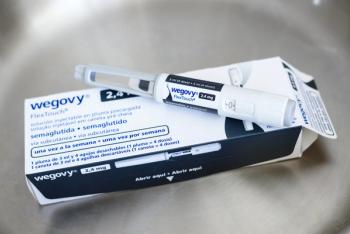
Post hoc STEP UP data at EASD 2026 show liver fat fell from 8.8% to 3.1% at 72 weeks in a 55-person MRI subgroup, though no placebo comparison was reported.
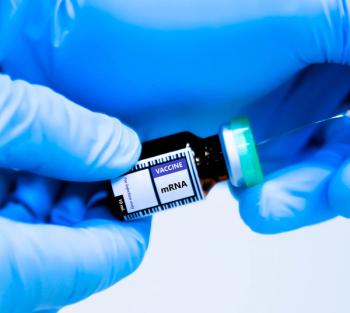
Despite the controversy surrounding mRNA's role in the COVID-19 response, the technology's broader promise—to prevent, treat, and even cure a host of diseases—is coming into focus.
Advertisement
Advertisement