

Opinion|Videos|June 30, 2026 (Updated: June 30, 2026)
Planning Before the First Dose: Pre-Treatment Transition Strategies for Bispecific Antibody Therapy in Myeloma
In this episode, 'Planning Before the First Dose: Pre-Treatment Transition Strategies for Bispecific Antibody Therapy in Myeloma,' the oncology pharmacists explore the following question: 1. Transition planning needs to begin before the first dose is administered, not after step-up dosing is complete. What does that pre-treatment planning look like at your institution?
Advertisement
Episodes in this series
In this episode, 'Planning Before the First Dose: Pre-Treatment Transition Strategies for Bispecific Antibody Therapy in Myeloma,' the oncology pharmacists explore the following question:
- Transition planning needs to begin before the first dose is administered, not after step-up dosing is complete. What does that pre-treatment planning look like at your institution?
The panelists examined what effective pre-treatment transition planning looks like in practice, with a strong consensus that the process must begin with the patient: ensuring that treatment location preferences, comfort with academic versus community-based care, and willingness to travel for step-up dosing are understood and incorporated into the plan before the first dose is ever administered. The discussion also highlighted the critical role of proactive, multi-stakeholder communication in successful pre-treatment planning, describing a framework that engages the referring physician along with the community pharmacist, nursing coordinator, and nurse navigator in a coordinated outreach effort that clearly communicates the proposed treatment plan, anticipated start date, and the specific ask of the receiving community site. This allows potential barriers to be identified and addressed before they become obstacles to patient care. The panelists further emphasized that the infrastructure supporting that communication, including pre-established relationships with community partners, proactive outreach to identify which sites can support bispecific antibody maintenance dosing, and direct-access hotlines that allow community providers to reach academic attending physicians in real time, is what transforms good intentions into consistently seamless transitions across care settings.
Throughout the conversation, the experts provide a comprehensive reflection on the field and the factors that may shape how clinicians approach care moving forward.
The next episode in this series, 'When It Works: Best-Case Scenarios and Lessons Learned From Successful Care Transitions in Myeloma,' features the panelists advancing their conversation on multiple myeloma and focusing on real-world examples of patient transitions that went well.
Advertisement
Related to this article

A pharmacist-led collaborative drug therapy management program at NYC Health + Hospitals/Bellevue reported high patient satisfaction, and every surveyed patient said they felt respected and supported by their pharmacist.
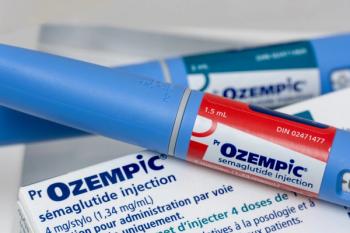
A Novo Nordisk-funded claims analysis of adults with type 2 diabetes found an adjusted HR of 1.06 for MACE with switching, though the findings cannot show causation.

Invasive pneumococcal disease may be the first sign of undiagnosed blood cancers and antibody deficiencies in adults, a new study finds.

A retrospective study from Japan found that oncology pharmacist assessment before medical examination was associated with higher rates of complete adverse event resolution in outpatient chemotherapy.
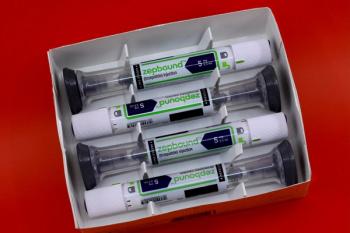
A new analysis finds a significant weight loss edge for tirzepatide under one estimand but not another; no head-to-head trial exists at these doses.
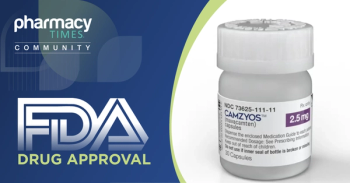
In SCOUT-HCM, mavacamten reduced the Valsalva LVOT gradient by 48 mm Hg versus placebo in adolescents. REMS, echo monitoring, and CYP interactions still apply in the new population.

September’s pain management coverage examined postoperative nonopioid options, lessons from sickle cell pain research, and pharmacists’ experiences with controlled-substance prescribing.
September’s hematology coverage examined a new definition of myeloma cure, patient preferences for treatment delivery, and emerging strategies for deepening responses.
Advertisement
Advertisement
Trending on Pharmacy Times
1
Tirzepatide Linked to More Weight Loss Than Semaglutide 7.2 mg
2
September 2026 in Pain Management: 4 Updates on Treatment and Pharmacy Practice
3
Pharmacists Can Close CKD Medication Adherence Gaps, PHTI Says
4
Pharmacist, Advocate, Ally: Delivering Comprehensive Gender-Affirming Care
5