

Opinion|Videos|November 8, 2024
Pharmacists’ Roles on the Multidisciplinary Team
Key Takeaways
- Pharmacists facilitate communication and education among healthcare providers about formularies, order sets, and treatment protocols.
- They provide training sessions, develop educational materials, and participate in team meetings to discuss medication management.
Panelists discuss how pharmacists actively engage in educating and coordinating with nurses, oncologists, and other health care providers by conducting in-service trainings, participating in multidisciplinary team meetings, and collaborating on the development and implementation of formularies, order sets, and treatment protocols to ensure optimal patient care in multiple myeloma management.
Advertisement
Episodes in this series
Video content above is prompted by the following:
- How do pharmacists engage in educating and coordinating with nurses, oncologists, and other health care providers regarding formularies, order sets, and treatment protocols
Advertisement
Related to this article

Brooke Hudspeth, Nicole Paolini Albanese, and Joshua Neumiller explain how pharmacists spot patterns, fix testing problems, and brief the care team.

Extended INDIGO and FIREFLY-1 results presented at SNO 2026 put seizure burden during vorasidenib therapy and time off tovorafenib in pediatric low-grade glioma into focus.
With a mifepristone safety review due by March and Senate control shifting in January, the FDA faces an extended stretch without a permanent leader.

Pharmacists can help patients start buprenorphine for opioid use disorder by confirming when to take the first dose, whether another opioid continues during initiation, and who will manage symptoms and follow-up.

In older veterans, mRNA-1283 was associated with lower risks of medically attended COVID-19 and hospitalization than BNT162b2.
Pharmacists can use medication therapy management to screen for diabetes, educate patients about medication adherence and lifestyle modifications, and support early action.
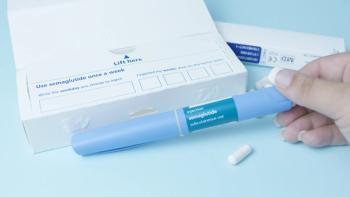
In a phase 3 trial of children aged 6 to younger than 12 years, once-weekly semaglutide reduced BMI 16.2 percentage points more than placebo at 68 weeks.

An analysis of 40 economic studies found PCV20 and PCV21 outperformed older strategies, while low uptake and racial gaps limited the benefit of vaccination.
Advertisement
Advertisement
Trending on Pharmacy Times
1
Two-Drug HIV Regimens, Archived M184V Resistance, and Long-Acting Preference
2
Long-Acting HIV Injectables in Viremia and New Tenofovir-Free Oral Options
3
SNO 2026 Roundup: What Longer Follow-Up Means for Targeted Glioma Care
4
Overton FDA Nomination Withdrawn: What It Means for Pharmacists
5