

Opinion|Videos|October 11, 2024
Impact of IFM 2009 and DETERMINATION Studies
Key Takeaways
- Triplet therapy with VRd has improved progression-free survival in NDMM, altering induction treatment strategies.
- Clinicians now prioritize aggressive initial treatment to maximize PFS, influenced by VRd's efficacy.
Panelists discuss how the introduction of triplet therapy prior to transplant in studies like IFM 2009 and DETERMINATION shifted the clinician mindset toward more intensive induction regimens, leading to a focus on achieving deeper responses and longer progression-free survival as primary goals of therapy for newly diagnosed multiple myeloma patients.
Advertisement
Episodes in this series
Video content above is prompted by the following:
- The pivotal IFM 2009 study found that VRd (bortezomib, lenalidomide, and dexamethasone) followed by transplantation significantly improved progression-free survival (PFS) in patients with newly diagnosed multiple myeloma (NDMM). How did the introduction of triplet therapy prior to transplant change the clinician mindset when deciding induction treatment, and how has that impacted studies that came after?
- (Dr Adams) In DETERMINATION, VRd with upfront transplant was associated with longer PFS. How did this trial change the goals of primary therapy for patients with NDMM?
Advertisement
Related to this article

Convenience should not replace connection.
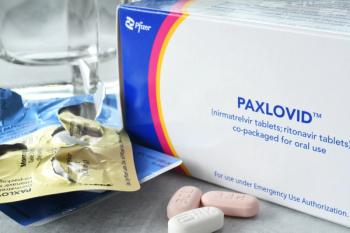
Treated patients also had fewer post-acute hospitalizations and deaths, but individuals without risk factors saw no benefit.

A pharmacy technician reflects on 3 patient encounters that reshaped his
understanding of what a real patient requires.

In a Korean cohort of 1861 patients with nondialysis CKD, intake below 0.6 g/kg/d was linked to more kidney failure and higher all-cause mortality.

Doruxapapogene ralaplasmid and lalikinogene sifuplasmid-gxfd (Voceryq) targets HPV-6 and HPV-11 to reduce the surgical burden for adults with the rare airway disease.

Caitlin McClain, a nurse and Clostridioides difficile infection (CDI) survivor, says pharmacists are well placed to help patients tell routine antibiotic adverse effects apart from CDI, which could lead to earlier diagnosis.
A disease-modifying therapy for stage 3 T1D, a second once-weekly insulin, and automated insulin delivery for T2D mark a busy year in diabetes care.

Before lung cancer therapy begins, diagnostic findings and treatment readiness shape care, creating opportunities for pharmacists to help patients start safely.
Advertisement
Advertisement
Trending on Pharmacy Times
1
Diabetes Awareness Month Opens Amid New T1D, T2D Approvals
2
FDA Grants Accelerated Approval to First Plasmid DNA-Based Immunotherapy for Recurrent Respiratory Papillomatosis
3
Community Pharmacists Guide Patients New to Glucose Monitoring
4
Very Low Protein Intake Tied to Higher Kidney Failure Risk in CKD
5