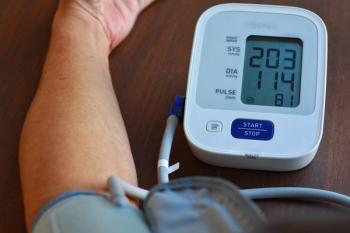
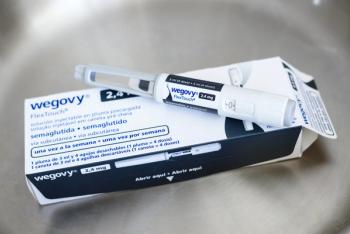
Lindahl and Sobota emphasized that nutrition and medication adherence are not competing priorities—they are synergistic pillars of chronic disease management. Improvements in one area routinely support the other, creating a positive feedback loop that can meaningfully enhance patient outcomes over time. This is especially relevant for pharmacists, who routinely counsel patients managing conditions such as diabetes, hypertension, heart failure, and chronic obstructive pulmonary disease, where both pharmacological and lifestyle interventions are essential.
I think we need to frame nutrition as a form of medicine. Over time, the food you eat can either act as a strong medicine for your body or slowly work against it. So lifestyle changes like diet, movement, and stress management can reduce or eliminate the need for or dosage of certain medications over time.— Anna L. Lindahl, PharmD
Lindahl and Sobota noted that sustained dietary improvements may reduce, or in some cases eliminate, the need for certain medications or their dosages when evaluated and adjusted by a prescribing physician. Pharmacists, who are deeply familiar with medication side effects and pharmacological burden, are uniquely positioned to counsel patients on how lifestyle modifications may reduce polypharmacy risk. Conversely, Lindahl noted that for patients managing chronic conditions, certain medications remain essential even with an optimized diet, underscoring the need for integrated, rather than either/or, care approaches.
Key Takeaways for Pharmacists
- Nutrition and medication adherence are mutually reinforcing.
- Pharmacists are uniquely positioned to reduce polypharmacy through lifestyle counseling.
- Practical adherence strategies and social determinant screening belong in every counseling session.
From a practical standpoint, the experts outlined several pharmacist-relevant strategies for improving medication adherence, including the use of adherence packaging, pillbox organization, phone alarm reminders, and habit stacking, pairing medication-taking with an established daily routine such as brushing teeth. These low-barrier interventions can be meaningfully incorporated into routine pharmacy counseling sessions.
Lindahl and Sobota also addressed social determinants of health, with Sobota highlighting how limited food access can exacerbate chronic conditions and increase medication burden. Pharmacists and health coaches can help bridge these gaps by connecting patients with community food resources and offering medication delivery solutions for patients with limited transportation access. Together, these professionals function as an integrated care team—what Lindahl memorably described as a “pit crew”—each contributing specialized expertise toward a unified patient health outcome.