

Opinion|Videos|February 20, 2026
Fenebrutinib and the Future Role of BTK Inhibitors in MS Treatment
Fact checked by: Ron Panarotti
Finibrutinib’s phase 3 MS results hint at new hope for relapsing and progressive disease, as experts weigh safety and monitoring.
Advertisement
Episodes in this series
In this episode, Fenebrutinib and the Future Role of BTK Inhibitors in MS Treatment, Aimee Banks, PharmD, BCPS, MSCS, and the rest of the panel explore topline phase 3 results for fenebrutinib and how BTK inhibitors may be integrated into MS treatment algorithms if approved by the FDA.
Fenebrutinib, a Bruton's tyrosine kinase inhibitor (BTKi) under investigation for multiple sclerosis (MS), represents a promising addition to the evolving therapeutic landscape. Pharmacists play a critical role in interpreting the topline results from phase 3 studies, providing insights on safety, efficacy, and practical considerations for patient management. Early data suggest that fenebrutinib effectively reduces disease activity, with a favorable safety profile, offering the potential to address unmet needs in both relapsing and progressive forms of MS. Pharmacists are particularly focused on understanding adverse event profiles, drug-drug interactions, and monitoring requirements, which are essential for optimizing therapy and supporting patient adherence in real-world practice.
As BTK inhibitors advance toward regulatory approval, their integration into MS treatment algorithms is a key consideration. Experts anticipate that BTKis may complement existing disease-modifying therapies, particularly for patients with ongoing progression despite conventional relapse-focused treatments. They could serve as options earlier in the treatment continuum for high-risk patients or as targeted therapies for those with smoldering or progressive disease. By combining mechanistic insights with clinical trial outcomes, pharmacists and care teams will be positioned to guide individualized treatment decisions, ensuring that BTKis are used safely and effectively to slow disability accumulation and improve long-term outcomes for people living with MS.
Led by the moderator, the neurology pharmacists examine the following critical questions:
Another BTKi under investigation is fenebrutinib. What is the pharmacists’ point of view on the topline phase 3 results and how they may impact clinical practice?
Where do you anticipate BTKi’s falling into treatment algorithms if FDA-approved?
Throughout the conversation, the experts provide a comprehensive reflection on the field and the factors that may shape how clinicians approach care moving forward.
The next episode in this series, Emerging Mechanisms and the Future of Multiple Sclerosis Treatment, features the panelists advancing their conversation on multiple sclerosis and focusing on novel therapeutic mechanisms beyond BTK inhibitors and how these innovations may reshape the MS treatment landscape over the next five years.
Newsletter
Stay informed on drug updates, treatment guidelines, and pharmacy practice trends—subscribe to Pharmacy Times for weekly clinical insights.
SubscribeAdvertisement
Related to this article

As accessible health care providers, pharmacists can raise awareness about the proper use of OTC blood glucose meters and continuous glucose monitoring devices.

The first AHA endocarditis update in 11 years expands outpatient options, with a bigger role for pharmacists.

Growing evidence points to gallstones and cholecystitis as an underrecognized risk of GLP-1 RA therapy—pharmacists are well positioned to catch it early.

Investigational inhaled stem cells for COPD raise questions about lasting clinical benefit and the pharmacy controls needed to deliver a living-cell product through a nebulizer.

A suspected plague death in Russia has renewed attention on the rare infection. Here's how to spot pneumonic plague, and which antibiotics the CDC recommends.

In an interview with Pharmacy Times, Abdulkader Rahmo, PhD, discusses investigational inhaled cell therapy for COPD, the evidence needed to establish lasting clinical benefit, and pharmacists’ potential role in its delivery.

The gap is not a paperwork inconvenience—it is a cash flow problem with clinical consequences.
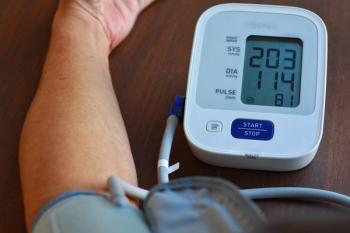
A meta-analysis of 27 trials found 15% lower cardiovascular (CV) event risk per 10-mm Hg SBP reduction, with eGFR declines but no rise in kidney failure.
Advertisement
Advertisement
Trending on Pharmacy Times
1
Rising Gallbladder Complications With GLP-1 Receptor Agonists Call for Closer Pharmacist Monitoring
2
The Value of Self-Monitoring Blood Glucose Tools in Preventing and Reducing Prediabetes and Diabetes-Related Complications
3
Using CKDintercept to Build Interdisciplinary Kidney Care
4
Could CAR T Therapy Become Adjustable After Infusion?
5