

Opinion|Videos|February 20, 2026
Advancing BTK Inhibitors in MS: Insights from Clinical Trials and Early Safety Data
Fact checked by: Ron Panarotti
Why MS relapses aren’t the whole story: experts explain PIRA, the push for remyelination, and how BTK inhibitors may reach the CNS.
Advertisement
This episode, titled Advancing BTK Inhibitors in MS: Insights from Clinical Trials and Early Safety Data, features Kiranpal Sangha, PharmD, and Ryan Fuller, PharmD, discussing key learnings from evobrutinib trials and their implications for the development of other BTK inhibitors, as well as safety and efficacy findings from the HERCULES trial and how they inform clinical use and ongoing investigation of BTK inhibitors in MS.
The development of Bruton's tyrosine kinase inhibitors (BTKis) in multiple sclerosis (MS) has been informed by lessons learned from earlier clinical trials, including those evaluating evobrutinib. Evobrutinib studies provided key insights into optimal dosing, safety monitoring, and pharmacodynamic activity, highlighting both the potential efficacy of BTK inhibition in reducing disease activity and the importance of understanding off-target effects. These findings have guided the design and evaluation of next-generation BTKis, such as tolebrutinib and fenebrutinib, helping researchers anticipate potential challenges, refine trial endpoints, and optimize strategies for assessing both relapsing and progressive forms of MS.
The HERCULES trial, evaluating another BTKi, has further expanded understanding of this therapeutic class. Interim safety and efficacy data indicate that BTK inhibition can modulate both peripheral and central immune activity with a manageable safety profile. The trial demonstrated reductions in MRI lesion activity and favorable trends in markers of neuroinflammation, suggesting potential benefits beyond relapse control. Together, these studies underscore the promise of BTKis as a novel approach to addressing unmet needs in MS, particularly in targeting chronic neuroinflammation and progression independent of relapse activity. Ongoing trials will continue to refine the risk-benefit profile, inform optimal dosing strategies, and clarify the role of BTK inhibitors in long-term disease management.
Led by the moderator, the neurology pharmacists examine the following critical questions:
Which lessons were learned from the evobrutinib clinical trials for other BTKi’s under investigation such as tolebrutinib and fenebrutinib?
What have the safety and efficacy data demonstrated so far from the HERCULES trial?
Throughout the conversation, the experts provide a comprehensive reflection on the field and the factors that may shape how clinicians approach care moving forward.
In the next episode, Fenebrutinib and the Future Role of BTK Inhibitors in MS Treatment, panelists will continue their discussion on multiple sclerosis and highlight pharmacists’ perspectives on the topline phase 3 results for fenebrutinib and explores how BTK inhibitors may be integrated into MS treatment algorithms if approved by the FDA.
Newsletter
Stay informed on drug updates, treatment guidelines, and pharmacy practice trends—subscribe to Pharmacy Times for weekly clinical insights.
SubscribeAdvertisement
Related to this article

As accessible health care providers, pharmacists can raise awareness about the proper use of OTC blood glucose meters and continuous glucose monitoring devices.

The first AHA endocarditis update in 11 years expands outpatient options, with a bigger role for pharmacists.

Growing evidence points to gallstones and cholecystitis as an underrecognized risk of GLP-1 RA therapy—pharmacists are well positioned to catch it early.

Investigational inhaled stem cells for COPD raise questions about lasting clinical benefit and the pharmacy controls needed to deliver a living-cell product through a nebulizer.

A suspected plague death in Russia has renewed attention on the rare infection. Here's how to spot pneumonic plague, and which antibiotics the CDC recommends.

In an interview with Pharmacy Times, Abdulkader Rahmo, PhD, discusses investigational inhaled cell therapy for COPD, the evidence needed to establish lasting clinical benefit, and pharmacists’ potential role in its delivery.

The gap is not a paperwork inconvenience—it is a cash flow problem with clinical consequences.
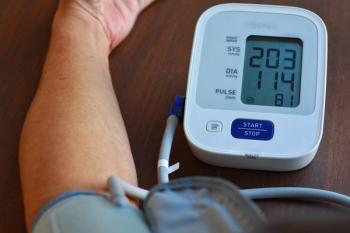
A meta-analysis of 27 trials found 15% lower cardiovascular (CV) event risk per 10-mm Hg SBP reduction, with eGFR declines but no rise in kidney failure.
Advertisement
Advertisement
Trending on Pharmacy Times
1
Rising Gallbladder Complications With GLP-1 Receptor Agonists Call for Closer Pharmacist Monitoring
2
The Value of Self-Monitoring Blood Glucose Tools in Preventing and Reducing Prediabetes and Diabetes-Related Complications
3
Using CKDintercept to Build Interdisciplinary Kidney Care
4
Could CAR T Therapy Become Adjustable After Infusion?
5