

Opinion|Videos|July 9, 2026
BCMA Biology, Mechanisms of Action, and Unmet Needs in Relapsed/Refractory Multiple Myeloma
In this episode, 'BCMA Biology, Mechanisms of Action, and Unmet Needs in Relapsed/Refractory Multiple Myeloma,' the expert oncologists and oncology pharmacists explored the following questions: What is the biological rationale for targeting B-cell maturation antigen (BCMA) in multiple myeloma? What are the different types of BCMA-targeted therapies and what are the Food and Drug Administration (FDA)-approved options? How do the mechanisms of action differ for the 3 different types of BCMA-targeted therapies? What unmet needs in relapsed/refractory multiple myeloma (RRMM) are addressed by BCMA-directed therapies? What are the potential clinical benefits and risks of introducing B-cell maturation antigen (BCMA)-targeted therapies earlier in the treatment continuum?
Advertisement
Episodes in this series
Al-Ola Abdallah outlined the biological rationale for targeting BCMA, explaining that the antigen is present on approximately 95% of myeloma cells and plays a central role in promoting myeloma cell survival and proliferation through the NF-kappa B pathway, making it a highly specific and compelling therapeutic target with limited off-target toxicity. He reviewed the currently approved BCMA-targeted agents, including two chimeric antigen receptor T-cell (CAR-T) therapies (idecabtagene vicleucel and ciltacabtagene autoleucel), three T-cell engaging bispecific antibodies (teclistamab, elranatamab, and linvoseltamab), and one antibody-drug conjugate (ADC), belantamab mafodotin. Zahra Mahmoudjafari then differentiated the mechanisms of action across the three drug classes, noting that CAR-T therapies work through genetic engineering and carry risks of cytokine release syndrome (CRS) and neurotoxicity, bispecific antibodies engage both BCMA and CD3 to redirect T cells against myeloma cells, and belantamab mafodotin delivers a cytotoxic payload directly to BCMA-expressing cells, which accounts for its distinct ocular toxicity profile and associated Risk Evaluation and Mitigation Strategy (REMS) program. Dr. Abdallah underscored the significant unmet need that existed prior to the availability of BCMA-directed therapies, noting that triple-refractory patients had a median overall survival of only 9 months and penta-refractory patients as few as 5 months, compared with 17 months observed in penta-refractory patients who received BCMA-directed therapy at his institution.
Throughout the conversation, the experts provided a comprehensive reflection on the field and the factors that may shape how clinicians approach care moving forward.
Our next episode, 'Shifting the Paradigm: Evidence, Earlier Use, and Sequencing of BCMA-Targeted Therapies in Relapsed/Refractory Multiple Myeloma,' further explores relapsed/refractory multiple myeloma, highlighting how BCMA-targeted therapies have transformed the treatment paradigm, the evidence supporting their use in earlier lines of therapy, and how earlier introduction of these agents may impact long-term disease control and sequencing strategies.
Newsletter
Stay informed on drug updates, treatment guidelines, and pharmacy practice trends—subscribe to Pharmacy Times for weekly clinical insights.
SubscribeAdvertisement
Related to this article

The gap is not a paperwork inconvenience—it is a cash flow problem with clinical consequences.
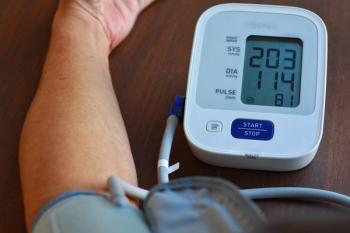
A meta-analysis of 27 trials found 15% lower cardiovascular (CV) event risk per 10-mm Hg SBP reduction, with eGFR declines but no rise in kidney failure.

In an interview with Pharmacy Times, City of Hope researchers discuss a preclinical platform designed to redirect CAR T cells after infusion and how pharmacists could help bring this adaptable approach into clinical practice.

Pharmacists can explain the evidence supporting the intramuscular injection, address specific concerns, and help families understand what is known—and what is not known—about oral vitamin K.

As earning years peak, so do spending and responsibility—here’s where midcareer pharmacists should focus their financial decision-making.

In the phase 2 ZUPREME 1 trial, the once-weekly amylin analog was well tolerated, with nausea mostly mild and limited to dose escalation.
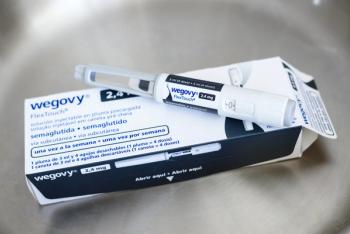
Post hoc STEP UP data at EASD 2026 show liver fat fell from 8.8% to 3.1% at 72 weeks in a 55-person MRI subgroup, though no placebo comparison was reported.
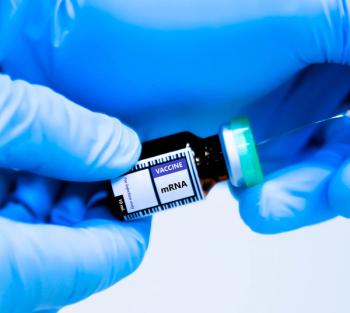
Despite the controversy surrounding mRNA's role in the COVID-19 response, the technology's broader promise—to prevent, treat, and even cure a host of diseases—is coming into focus.
Advertisement
Advertisement