

Opinion|Videos|April 8, 2026
CDK4/6 Inhibitor Dose Adjustments: Clinical Scenarios and Impact on Outcomes
Learn how CDK4/6 inhibitor schedules vary and how pharmacists boost adherence, manage nausea, labs, QTc, and drug interactions.
Advertisement
Episodes in this series
In CDK4/6 Inhibitor Dose Adjustments: Clinical Scenarios and Impact on Outcomes, our experts delve into the following critical questions:
What are the clinical scenarios in which a dose change of a CDK4/6 inhibitor is warranted?
How do dose changes impact outcomes?
Led by the Rose DiMarco, PharmD, Jordan Hill, PharmD, discusses dose modifications of CDK4/6 inhibitors, which are typically warranted in response to adverse events such as grade 3–4 neutropenia, severe diarrhea, hepatotoxicity, or other clinically significant toxicities. Dose changes may also be considered for patients with renal or hepatic impairment, or when drug interactions increase the risk of toxicity. The goal of adjusting the dose is to manage side effects while maintaining therapeutic efficacy and patient quality of life. Clinical trials have demonstrated that reducing the dose of agents like palbociclib, ribociclib, or abemaciclib does not significantly compromise progression-free survival. Pharmacists play a key role in identifying when dose adjustments are needed and coordinating with providers to implement changes safely. By carefully managing dose modifications, clinicians can optimize both the safety and effectiveness of CDK4/6 inhibitor therapy in patients with metastatic breast cancer.
Throughout the conversation, the experts provide a comprehensive reflection on the field and the factors that may shape how clinicians approach care moving forward.
Our next episode, Optimizing Multidisciplinary Care for Patients on CDK4/6 Inhibitors, further explores strategies for enhancing multidisciplinary collaboration in the management of patients receiving CDK4/6 inhibitors, emphasizing the roles of oncologists, pharmacists, nurses, and other care team members. Faculty discuss practical approaches to improve communication, monitoring, and supportive care to ensure safe, effective, and patient-centered therapy.
Newsletter
Stay informed on drug updates, treatment guidelines, and pharmacy practice trends—subscribe to Pharmacy Times for weekly clinical insights.
SubscribeAdvertisement
Related to this article

As accessible health care providers, pharmacists can raise awareness about the proper use of OTC blood glucose meters and continuous glucose monitoring devices.

The first AHA endocarditis update in 11 years expands outpatient options, with a bigger role for pharmacists.

Growing evidence points to gallstones and cholecystitis as an underrecognized risk of GLP-1 RA therapy—pharmacists are well positioned to catch it early.

Investigational inhaled stem cells for COPD raise questions about lasting clinical benefit and the pharmacy controls needed to deliver a living-cell product through a nebulizer.

A suspected plague death in Russia has renewed attention on the rare infection. Here's how to spot pneumonic plague, and which antibiotics the CDC recommends.

In an interview with Pharmacy Times, Abdulkader Rahmo, PhD, discusses investigational inhaled cell therapy for COPD, the evidence needed to establish lasting clinical benefit, and pharmacists’ potential role in its delivery.

The gap is not a paperwork inconvenience—it is a cash flow problem with clinical consequences.
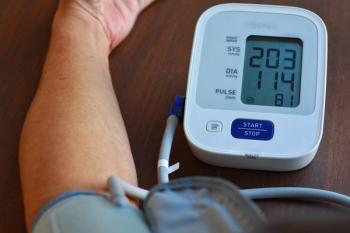
A meta-analysis of 27 trials found 15% lower cardiovascular (CV) event risk per 10-mm Hg SBP reduction, with eGFR declines but no rise in kidney failure.
Advertisement
Advertisement
Trending on Pharmacy Times
1
Rising Gallbladder Complications With GLP-1 Receptor Agonists Call for Closer Pharmacist Monitoring
2
The Value of Self-Monitoring Blood Glucose Tools in Preventing and Reducing Prediabetes and Diabetes-Related Complications
3
Using CKDintercept to Build Interdisciplinary Kidney Care
4
Could CAR T Therapy Become Adjustable After Infusion?
5