

Findings from a multicenter cohort study suggest glucagon-like peptide-1 (GLP-1) receptor agonist therapy may be associated with an elevated risk of sensory disturbances.
Findings from a multicenter cohort study suggest glucagon-like peptide-1 (GLP-1) receptor agonist therapy may be associated with an elevated risk of sensory disturbances.

The approval adds a 55-mg prefilled syringe for weight-based dosing and makes risankizumab the first IL-23 inhibitor cleared for pediatric patients weighing less than 40 kg.

Findings from EPCORE DLBCL-4 show that fixed-duration epcoritamab plus lenalidomide significantly improved progression-free survival (PFS) vs R-GemOx in relapsed or refractory diffuse large B-cell lymphoma (DLBCL).

The blood test offers a promising new approach to identify patients who are at high risk for recurrence and guide precision treatment strategies.

Pharmacist-led MTM services can deliver measurable clinical and financial value while advancing patient-centered care.

Oncology Pharmacists Connect 2026 emphasized the pharmacist’s role in translating rapidly evolving evidence into patient-centered, operationally feasible cancer care.

AML and menin inhibitors transform acute myeloid leukemia treatment: FDA-approved choices, MEN1 protein target, and bedside toxicity monitoring.

PCOS becomes PMOS, spotlighting metabolic and endocrine risks.

Be confident that you have researched all avenues and feel secure in making your recommendations.

Veligrotug-vvze is the first FDA-approved thyroid eye disease treatment with data in both active and chronic disease.
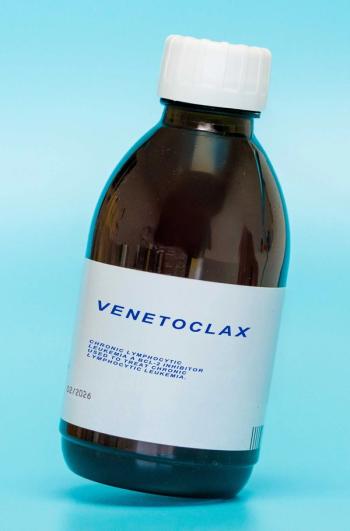
A combination regimen of azacitidine, venetoclax, and gilteritinib shows encouraging benefits in patients with newly diagnosed FLT3-mutated AML who were ineligible for intensive chemotherapy.

A compliance expert outlines what's next for GLP-1 compounding oversight and how pharmacists can stay audit-ready.

Biosimilars are equally safe and cut costs. Pharmacists can ease patient fears at the counter.

Priority review NDA puts oral SERD giredestrant on PDUFA track for ER-positive, HER2-negative breast cancer, after reduced recurrence risk in lidERA trial.

In an interview with Pharmacy Times, Caitlin Jones, PhD, discusses why high-risk, low-benefit treatments for chronic low back pain require greater scrutiny.

Interim data, briefly held back from the CDC’s weekly report, show the reformulated shot added meaningful protection even among adults with substantial existing immunity.

Compared with placebo, adult patients with ADHD and comorbid anxiety had greater change from baseline in AISRS total score at week 8.

Timothy Clifford, PharmD, outlines how quality-of-life impact, comorbid conditions, and prior therapy failures guide biologic selection for CRSwNP.
In an interview with Pharmacy Times, Alison Newman, MPH, program operations specialist with the Center for Community-Engaged Drug Education, Epidemiology & Research at the Addictions, Drug & Alcohol Institute at the University of Washington, discusses the significance of OTC naloxone availability and the barriers that remain despite the introduction of additional products.
Aderonke Adeboye, PharmD, discusses the clinical red flags that signal a patient with CSU needs advanced therapy and how specialty pharmacists guide treatment selection and support long-term adherence for biologics and emerging oral agents.

The European Commission approved tolebrutinib as the first therapy targeting disability progression in adults with nonrelapsing secondary progressive multiple sclerosis (SPMS).

Oral semaglutide delivers significant weight loss in OASIS trials, offering needle-free obesity therapy.

Updated ASTCT infectious disease guidelines reshape approaches to prophylaxis, treatment thresholds, and drug-drug interactions in opportunistic infections.
GoodRx's David Graziano breaks down how fluctuating acquisition costs, narrow formularies, and retrospective reimbursement adjustments are squeezing independent pharmacies—and what solutions exist to help them remain competitive.

Evaluating, implementing, and optimizing automation technologies that improve safety, efficiency, and patient care outcomes are practical strategies for health-system pharmacy leaders.
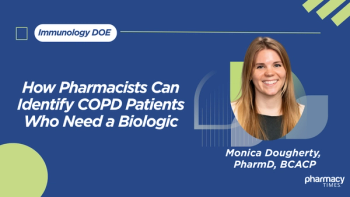
Monica Dougherty, PharmD, BCACP, explains how the 2026 GOLD guideline updates use blood eosinophil counts to guide biologic therapy decisions for patients with COPD.

Pharmacy Times speaks with Caitlin Jones, PHD, on how evidence gaps, opioid dependence, and misaligned incentives can undermine pain care.

This FAQ outlines current measles cases, key drivers of increasing cases, and the essential role pharmacists play in vaccination, patient counseling, case recognition, and combating vaccine misinformation.
Lavinia Salama, PharmD, joins Craig Beavers, PharmD, to discuss implementing the 2026 CKM guidelines in clinical practice.
Supported by improved progression-free survival outcomes in the phase 3 ASCENT-03 and ASCENT-04/KEYNOTE-D19 trials, sacituzumab govitecan-hziy received FDA approval as both a monotherapy and combination therapy with pembrolizumab.