

Kasey Malotte, PharmD, BCPS, discusses the new credential’s strengths and areas for growth as well as why a stronger training ecosystem is necessary for long-term impact.
Kasey Malotte, PharmD, BCPS, discusses the new credential’s strengths and areas for growth as well as why a stronger training ecosystem is necessary for long-term impact.

Utah's AI-powered prescription refill pilot is fueling debate over how artificial intelligence can improve medication access and workflow efficiency while preserving the clinical oversight needed to ensure patient safety.

A study finds low-income and minority families are likely among those experiencing consequences from reduced measles, mumps, rubella, and varicella (MMRV) vaccine uptake amid the worst surge in US measles cases in decades.

The regimens are pembrolizumab plus enfortumab vedotin-ejfv (EV) and pembrolizumab with berahyaluronidase alfa-pmph and EV.

The FDA approval gives patients with multiple myeloma a second subcutaneous anti-CD38 option alongside daratumumab.

Pharmacy Times interviews Nicole McMullen, PharmD, regional clinical pharmacist at American Oncology Network, on patient and caregiver education, home monitoring, multidisciplinary coordination, and key lessons for community oncology practices implementing outpatient BiTE therapy.
The FDA expanded Wilate's approval for routine prophylaxis to reduce bleeding episodes in children younger than 6 years with von Willebrand disease, supported by phase 3 WIL-33 data showing low annualized bleeding rates and favorable tolerability.

A study published in JAMA Network Open of opioid-naive patients with acute pain found that opioids were typically used in low doses and for short periods, but pain often lasted longer than expected, and leftover medication was common.

The tool can estimate recurrence risk across multiple subtypes, including those for which no guideline-recommended genomic prognostic tests currently exist.
Ennumo is approved for the same indications as its reference product, Neulasta (pegfilgrastim).

The new program gives eligible Medicare Part D beneficiaries access to Wegovy, Zepbound, and Foundayo for weight management at a flat $50 co-pay, but early claim-routing errors show pharmacists have a critical role in getting patients across the bridge.

These recommendations for acute pulmonary embolism management are most applicable to pharmacists on the interdisciplinary team managing acute PE.

In an interview with Pharmacy Times, Deanna Horner, PharmD, BCPS, discusses how pharmacists can serve as patient advocates in GLP-1 care and how direct access models may simplify the patient journey while preserving clinical oversight.

Tanya J. Uritsky, PharmD, BCPP, FPPCP, FASHP, discusses multimodal analgesia, acute pain pathways, opioid-tolerant patients, suzetrigine, and pharmacist-led interventions across health systems with Pharmacy Times.

A preclinical study demonstrates protective immunity against flu, COVID-19, and RSV without immune interference.

New findings show chronic kidney disease affects the same share of US adults as in 2013, although the disease is increasingly tied to diabetes and heart conditions.
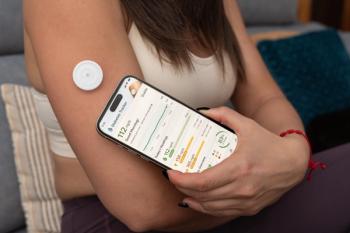
Study authors suggest diabetic guidelines should consider standardized reporting of CGM metrics in studies employing CGM-based interventions.

Advances in antibiotic and microbiome-based therapies may reduce recurrence and improve outcomes in patients with recurrent Clostridioides difficile infection.

Researchers found that excess abdominal fat suppresses immune surveillance in the lungs by increasing regulatory T cells, challenging the "obesity paradox."

The authors said these data support the safety of current coadministration practice.

Pharmacy Times interviews Nicole McMullin, regional clinical pharmacist at American Oncology Network, about the oncology pharmacist’s role in outpatient BiTE therapy and the monitoring protocols for identifying and managing CRS and ICANS during step-up dosing.

Danish study links meningioma risk to progestogen contraceptives, including injectable depot medroxyprogesterone acetate and levonorgestrel intrauterine devices.

In an interview with Pharmacy Times, Deanna Horner, PharmD, BCPS, discusses how data, automation, provider-led programs, and pharmacist support can help improve GLP-1 access, appropriate use, adherence, and patient persistence.

Cyclospora cases surge nationwide; learn symptoms, testing pitfalls, treatment, and smart food-water precautions as investigators search for the source.
In an interview with Pharmacy Times, Matt Christian, director of Supply Chain Insights at USP, discussed the factors driving long-term shortages, the growing role of geographic concentration, and what pharmacists should understand about supply chain resilience.

FDA grants accelerated approval to atacicept-vymj for IgA nephropathy proteinuria, backed by ORIGIN clinical trial results.

In addition to the upcoming Annual Forum in September, New England Institute of Ambulatory Care Pharmacists (NEIAP) provides practical education and networking opportunities to support ambulatory care pharmacists.
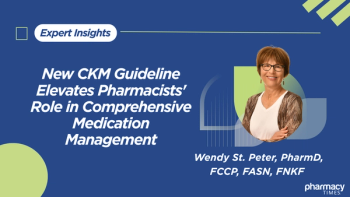
Wendy St Peter, PharmD, explains how the new cardio-kidney-metabolic (CKM) syndrome guideline supports pharmacist-led medication management, staging tools, and deprescribing.

Katelyn O'Brien, PharmD, BCPS, CDCES, BC-ADM, discusses the New England Institute of Ambulatory Care Pharmacists (NEIAP) Annual Forum and previews key topics of discussion.

As cannabis evolves, pharmacists must recognize emerging risks from high-potency products, drug interactions, and use-related syndromes to improve patient safety.