

Explore emerging flu antivirals, from season-long CD388 prevention to single-dose therapies, designed to beat current treatment limits.
Explore emerging flu antivirals, from season-long CD388 prevention to single-dose therapies, designed to beat current treatment limits.

If approved, AXS-12 would be a potentially valuable new option for a symptom that significantly impairs the daily functioning of those with narcolepsy.

Compared with conventional imaging alone, patient-reported outcomes integrated with machine learning may provide an earlier indication of breast cancer recurrence, disease progression, and survival.
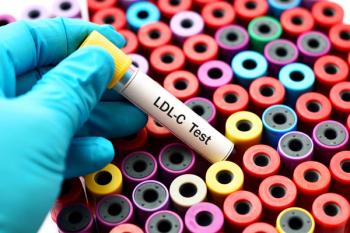
A simplified, no-cost machine learning version of the Martin-Hopkins equation matched the original's accuracy across millions of blood samples, helping clinicians identify patients who qualify for lipid-lowering therapy.


In an interview with Pharmacy Times, Nicole McMullin, regional clinical pharmacist at American Oncology Network, discussed AON’s development of an all-outpatient approach to step-up dosing for bispecific T-cell engager therapy in multiple myeloma.

An expert discusses a JAMA study that shows who depends on the MMRV combination vaccine and how policy shifts may widen gaps—plus how pharmacists keep children on schedule.
In an interview with Pharmacy Times, Manale Maksour, PharmD, BCOP, BCPS, associate director of pharmacy services at American Oncology Network, discusses the growing use of outpatient step-up dosing for bispecific T-cell engager therapies and the operational challenges clinics must address to safely implement these programs.

Future research should evaluate larger multicenter experiences and assess if pharmacist-supported workflows are associated with treatment persistence, safety monitoring adherence, and clinical outcomes.

TV-44749 is a subcutaneous long-acting injectable form of olanzapine that is effective in schizophrenia while avoiding risks seen with the intramuscular formulation.

Pharmacist-led pathways, multimodal analgesia, and patient-centered opioid stewardship may help improve acute pain management while balancing opioid safety, adequate pain relief, and access to emerging nonopioid options.

The approval of the drug combination is supported by findings from the phase 3 VIKTORIA-1 clinical trial.

Case counts will likely continue to rise as reporting catches up with the incubation lag.

Selpercatinib received approval for adults and children 2 years and older with previously treated or treatment-refractory RET fusion–positive solid tumors.
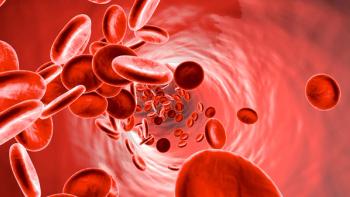
Clinicians can mitigate anemia during cancer treatment by reducing the dose, switching to alternate-day dosing, or providing growth factor support.
In an interview with Pharmacy Times, Brandon Kasberg, PharmD, discusses how pharmacists can help individualize multimodal acute pain regimens, reduce unnecessary opioid exposure, and support safer transitions from inpatient or postoperative care to the outpatient setting.
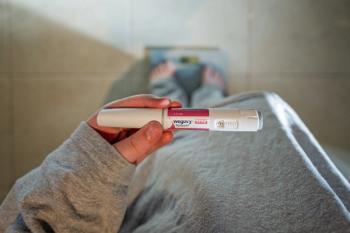
This FAQ breaks down which drugs are covered by the program, who qualifies, how to process claims correctly, and what pharmacists need to know to counsel patients through this landmark shift in obesity drug access.

Emerging data on psychedelics demonstrate efficacy in preventing cluster headaches.

AI reshapes pharmacy—see how stewardship, transparency, and training help pharmacists deploy tools safely, boost equity, and build trust.

This approval marks the first time patients can begin treatment with home administration either by themselves or their caregiver.

Like other HCPs, pharmacists use AI-driven tools to support the delivery of pharmacy-related services.

Pharmacist-driven discharge medication reconciliation services identifies clinical interventions and may contribute to a decreased 30-day readmission rate.

A member of the cardio-kidney-metabolic syndrome (CKM) guideline writing committee outlines steps pharmacists can take to ensure the kidney component of CKM is not overlooked.
Andrew Li, PharmD, BCOP, discusses key targeted therapy updates in the 2026 ASCO living guideline for stage IV non–small cell lung cancer and how pharmacists can help manage treatment-related toxicities and access barriers.

Boston University researchers say flat chronic kidney disease (CKD) prevalence conceals a growing diabetes-linked burden, and pharmacists have a key role in closing screening gaps.
Beckley Retreats CEO Neil Markey discusses how the recent executive order on psychedelic therapies for veterans could reshape access to ibogaine and other investigational treatments.

New real-world data suggest pharmacists may have an expanding role in prioritizing GLP-1 therapy for patients managing both conditions.

Physicians oversee prescription medications the patient is taking, but OTC products bypass this system, and patients are often unaware of what can and cannot be taken.
This week's episode covers a multistate rise in cyclosporiasis infections, insights from a Yale psychiatrist on safety monitoring for psychedelic therapies, and a wave of FDA approvals spanning nephrology, gene therapy, and cell therapy—plus a major expansion of the NIH's All of Us Research Program.

Kasey Malotte, PharmD, BCPS, discusses the new credential’s strengths and areas for growth as well as why a stronger training ecosystem is necessary for long-term impact.