
The FDA has granted fast track designation to ERAS-0015, an investigational oral pan-RAS molecular glue that has shown early antitumor activity in previously treated KRAS G12X pancreatic ductal adenocarcinoma.
The FDA has granted fast track designation to ERAS-0015, an investigational oral pan-RAS molecular glue that has shown early antitumor activity in previously treated KRAS G12X pancreatic ductal adenocarcinoma.
The FDA-granted priority review raises the possibility of an immunotherapy-first approach that could allow some patients to avoid chemotherapy, radiation, and surgery.
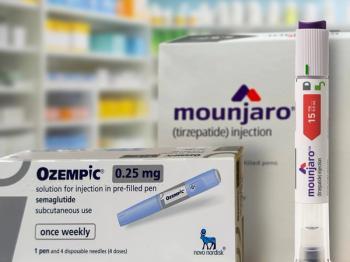
Novo Nordisk's false-advertising case against Eli Lilly turns on GLP-1 dosing—here's the context pharmacists need when patients ask which drug is better.

Night shift and insomnia may triple long-COVID risk; learn how chronic insomnia and long-COVID links affect health workers and prevention.

The FDA granted fast track designation to safusidenib, an investigational oral IDH1 inhibitor that produced durable responses in a phase 2 study of patients with treatment-naive grade 2 IDH1-mutant glioma.

Before escalating therapy, Stacey M. Cutrell, PharmD, urges pharmacists to rule out pseudo-resistance and nonadherence driving stubborn blood pressure.

Given the growing market availability and current underutilization of biosimilars, pharmacists must possess a comprehensive understanding of these agents to effectively advocate for their adoption.
A nationwide study found that Black pregnant patients initiating buprenorphine had a 69% higher adjusted risk of treatment discontinuation during pregnancy than White patients.
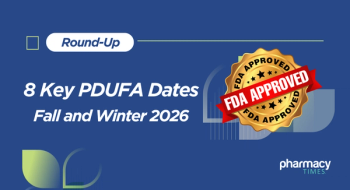
Cardiomyopathy, hepatitis B, breast cancer, hypertension, and myeloma decisions land in the FDA's final-quarter queue.

Its targeted PDE4 mechanism, favorable safety profile, and supportive pediatric data make it a meaningful long-term treatment addition.

What began as a question about duplicative therapy ultimately led to a patient-specific intervention, the development of a tool for communicating recommendations, and a resource now available to pharmacists.

Finerenone, SGLT2s, and GLP-1s each target a different driver of CKD—pharmacists can tie every drug to a matching lifestyle change for adherence.

The podcast will cover relevant areas in psychiatry, new literature and clinical data, new drugs, and other topics that are coming down the pipeline.
In this new show, host Megan Maroney, PharmD, BCPP, FAAPP, will examine therapies, trends, and clinical decisions shaping care for psychiatric conditions.

Gastric emptying delay and glucose-dependent insulin secretion make dietary counseling essential in every GLP-1 receptor agonist encounter.
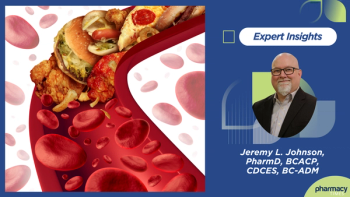
Jeremy Johnson, PharmD, on how oral and injectable proprotein convertase subtilisin/kexin type 9 (PCSK9) inhibitors are helping high-risk patients hit LDL targets statins alone can't reach.

Following community reports of more than 400 cancer cases in Keyport and Union Beach, New Jersey officials are expanding environmental sampling near a former landfill.

Genglycos wins accelerated approval to cut daily cornstarch reliance in patients aged 8 and older with the rare metabolic disorder.

As artificial intelligence–based tools grow in popularity, helping patients know when to use digital tools and when to ask a clinician is essential.

As case counts rise in the current outbreak, pharmacists must be prepared to counsel patients regarding management, including pediatric patients who require unique considerations.

Decode carcinogens: IARC hazard vs risk, what "possibly" means, and how pharmacists ease aspartame, meat, and phone fears.

Mattew Lei, PharmD, BCOP,breaks down the FDA approval of subcutaneous isatuximab-irfc via the CirCLIQ on-body injector.

Garetosmab-grts cut new heterotopic ossification lesions by 90% or more at 56 weeks in the phase 3 OPTIMA trial.
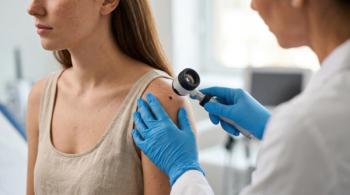
Intismeran autogene plus pembrolizumab significantly improved recurrence-free and distant metastasis-free survival over pembrolizumab alone.
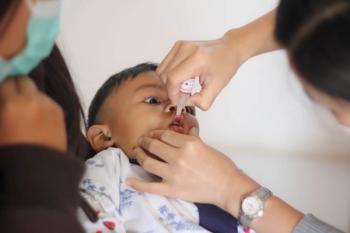
Findings published in Lancet Child & Adolescent Health arrive as a new US executive order shifts rotavirus vaccination to shared clinical decision-making.
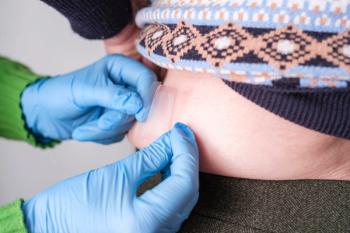
The patch detected fentanyl and automatically delivered dose-responsive naloxone in laboratory and mouse studies, offering a potential strategy for addressing unwitnessed opioid overdoses.

New data link T2DM and prediabetes to more numerous, more severe symptoms, especially postmenopause.
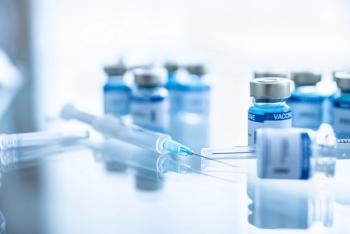
Learn how common meds, immunosuppressants, steroids, anti-CD20 biologics, and antivirals change vaccine timing for the best.

Beyond financial considerations, the emotional meaning of retirement is an often-forgotten question.
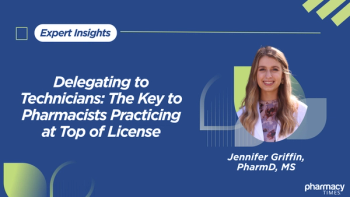
Jennifer Griffin, PharmD, MS, outlines a listening-first approach to vaccine-hesitant patients and explains how delegating immunizations and non-clinical tasks to trained technicians has transformed her pharmacy's workflow.