

Circulating tumor cells detected in peripheral blood may serve as a powerful prognostic biomarker in newly diagnosed multiple myeloma.
Circulating tumor cells detected in peripheral blood may serve as a powerful prognostic biomarker in newly diagnosed multiple myeloma.

Peptide compounders face rising scrutiny as regulators and lawsuits lean on USP <795> and <797>.
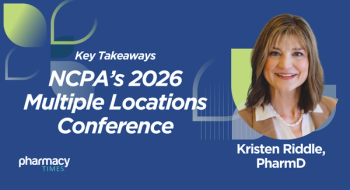
NCPA President Kristen Riddle recaps the organization's Multiple Locations Conference.

As the spring travel season approaches, more than 30 countries appear on the CDC's circulating polio alert list.

New AAAAI data spotlight oral remibrutinib for CSU, next-generation peanut allergy therapies, infant microbiome prevention, and GLP‑1 receptor agonists linked to fewer asthma flares.

Health systems coordinate pharmacy, payers, clinicians, labs, and electronic health record (EHR) teams to deliver ultra-high-cost gene therapies.
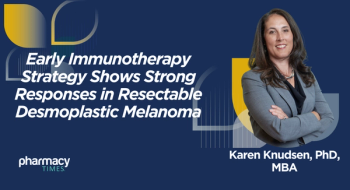
Pembrolizumab neoadjuvant immunotherapy hits approximately 70% complete responses in desmoplastic melanoma.

The second part of this video series highlights thoughts from 4 panelists on shared clinical decision-making and how harmful misinformation is in the health care space.

Phase 4 data show suzetrigine controls post–plastic surgery pain, keeping nearly 91% of patients opioid free with good pain ratings and tolerability.
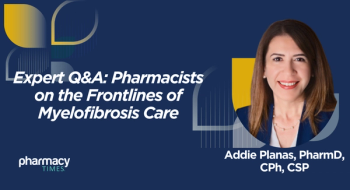
A Baptist Health pharmacy expert shares real-world myelofibrosis oncology tips on JAK selection, symptom control, and navigating specialty drug costs.
FDA approval expands the use of teclistamab plus daratumumab, which significantly improved survival in the MajesTEC-3 trial.

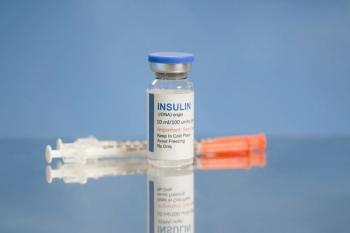
Meta-analysis finds insulin efsitora provides similar glycemic control with superior hemoglobin A1C reduction at 52 weeks and lower total weekly insulin dose, while maintaining an acceptable safety profile.

A single intranasal formulation demonstrated protection against SARS-CoV-2, bacterial pneumonia, and allergens for up to 3 months in preclinical models.
Consumers seek clinically validated supplements as health information spreads quickly; Niagen Bioscience stresses independent evidence, and pharmacists guide choices using trusted certifications.
Tanika Kelly, PhD, MPH, discusses her study finding that greater chronic kidney disease (CKD) severity significantly increases the risk of cognitive impairment, with important implications for how pharmacists counsel and support these patients.

Laxmi Mehta, MD, explains how pharmacists can counsel patients on inherited lipid risk factors like lipoprotein(a) and why combining pharmacologic therapy with lifestyle modification is essential for reducing cardiovascular risk.

A group of experts provide insights and answer questions to some of the more pressing topics around changes in vaccine schedules and policies.

Experts discuss practice expansion, guideline updates, and team-based care.
LeAnne Kennedy, PharmD, BCOP, CPP, FHOPA, FASTCT, discusses the importance of advocacy for oncology pharmacists in both patient care and professional recognition. She highlights practical ways pharmacists can advocate—such as refining an elevator pitch, participating in virtual Hill Days, and partnering with professional organizations such as ASHP and HOPA.

New research links long COVID taste loss to impaired sweet-bitter-umami signaling, guiding pharmacists on nutrition risks and emerging therapies.

Early electronic health record (EHR) collaboration, scalable clinical infrastructure, and payer strategy planning are essential for pharmacists as cell and gene therapies expand across disease states.

Long-term care pharmacies optimize medication, vaccines, and safer therapies to boost patient care, cut risks, and navigate Medicare barriers.

RSV vaccines cut hospitalization risk—and may lower dementia risk.
Allison Burnett, PharmD, joins The Tell-Tale Heart to break down the first-ever ACC/AHA acute pulmonary embolism guidelines.

Navepegritide becomes the first and only once-weekly treatment to increase linear growth in children with achondroplasia.
Lomitapide demonstrated substantial LDL cholesterol reductions in a pivotal trial.

Launching sustainable, effective CGT programs requires a road map for strategy, operations, access, finance, quality, and pharmacy.
Neoadjuvant pembrolizumab reshapes desmoplastic melanoma care, spotlighting sequence integrity, pharmacist-led toxicity readiness, and oncology networks accelerating rare-cancer immunotherapy innovation.

Milsaperidone is indicated for acute treatment of manic or mixed episodes associated with bipolar I disorder and the treatment of schizophrenia in adults.