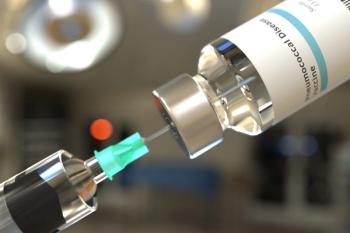
VAX-31 met all primary end points against PCV20 and PCV21 in the pivotal phase 3 OPUS-1 trial.
As the spring travel season approaches, more than 30 countries appear on the CDC's circulating polio alert list.
With spring break and summer travel plans underway, the CDC issued a Level 2 Practice Enhanced Precautions global polio travel advisory on March 3, 2026, listing more than 30 countries where polio is circulating, including the United Kingdom, Spain, Germany, Finland, and Poland. For pharmacists, this advisory is both a clinical prompt and an opportunity to intervene at a critical touchpoint in the patient care continuum.1,2
Poliomyelitis is a highly contagious viral illness that attacks the central nervous system, with the potential to cause irreversible paralysis or death. Although approximately 75% of cases are asymptomatic, mild presentations can mimic a flu-like illness, and severe cases may progress to paralysis within hours. According to the World Health Organization (WHO), roughly 1 in 200 infections results in permanent paralysis, and up to 10% of children who are paralyzed will die when respiratory muscles are affected. The virus primarily spreads via the fecal-oral route, through contact with infected feces or contaminated food and water, making hand hygiene and safe food practices essential travel precautions alongside vaccination.1-3
Despite a more than 99% reduction in global polio cases since the WHO’s 1988 eradication resolution, the virus has proved extraordinarily difficult to eliminate.1
The recent surge in the advisory list reflects widening surveillance, not merely an increase in disease burden. Wastewater analysis across Europe has detected polio in several countries, and the WHO has maintained the global poliovirus situation as an ongoing public health emergency of international concern. Pakistan reported 18 polio cases in 2025, following 74 in 2024, demonstrating the tenacity of endemic transmission in regions with fragile health infrastructure.2,3
The CDC recommends that all travelers be up to date on routine polio vaccinations before any international trip. In the US, children receive the inactivated polio vaccine (IPV) as a standard 4-dose series. For adult travelers who have completed the full routine series, are traveling to one of the listed destinations, and have not previously received an adult booster, a single lifetime booster dose of IPV is recommended. Clinicians should ensure unvaccinated or incompletely vaccinated individuals complete the full series prior to departure.1
The WHO classifies polio among “routine” travel vaccines alongside measles, influenza, and tetanus, which should be up to date regardless of destination. This framing is particularly relevant as international tourism rebounds from the COVID-19 pandemic. The United Nations estimated that approximately 790 million international tourists traveled in the first 7 months of 2024, with projections of 1.8 billion international travelers by 2030.1
Community pharmacists are uniquely positioned to close the pretravel immunization gap. For polio specifically, pharmacists should screen patients presenting for any pretravel consult for vaccination history, assess eligibility for the adult booster dose, and counsel travelers on fecal-oral transmission risks, including hand hygiene and food and water safety in affected regions. Pharmacists are also encouraged to consult the CDC Yellow Book and the agency’s interactive destination tool to provide destination-specific guidance that extends beyond polio to other travel-associated diseases relevant to each itinerary.1,3
This spring travel season presents a timely opportunity for pharmacists to reinforce the message that polio, although largely forgotten in the US, remains a preventable global threat.1,3,4