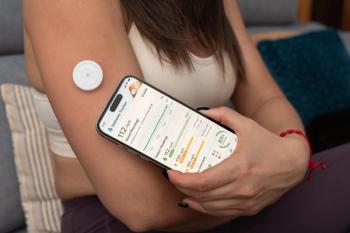
At the 2026 New England Institute of Ambulatory Care Pharmacists (NEIAP) Annual Forum, Jennifer Goldman detailed how monitoring data drive engagement—and how a new dual sensor readies pharmacists for ketone alerts.
Meta-analysis finds insulin efsitora provides similar glycemic control with superior hemoglobin A1C reduction at 52 weeks and lower total weekly insulin dose, while maintaining an acceptable safety profile.
A systematic review and meta-analysis published in Diabetes, Obesity and Metabolism found that once-weekly insulin efsitora alfa (efsitora; Eli Lilly and Company) demonstrated comparable glycemic efficacy and superiority in reduction of hemoglobin A1C (HbA1C) at 52 weeks compared with once-daily basal insulin in adults with type 2 diabetes (T2D). The analysis provides pooled evidence supporting the clinical utility of this novel weekly basal insulin as an alternative to daily injection regimens.1
Researchers conducted a systematic review of randomized controlled trials comparing once-weekly efsitora with once-daily basal insulin in adults with T2D. Databases including PubMed, Embase, and Scopus were searched through July 6, 2025. Primary outcomes included changes in HbA1C, fasting plasma glucose, total weekly insulin dose, and HbA1C target achievement.1
The meta-analysis found that efsitora demonstrated superiority in HbA1C reduction at week 52 (mean difference [MD], –0.12%; 95% CI, –0.20 to –0.03; P = .009). Change in total weekly insulin dose also favored efsitora at 52 weeks (MD, –30.55; 95% CI, –46.48 to –14.52; P = .0002).1
There was a nonsignificant numerical increase in time in the target glucose range (MD, 1.72; 95% CI, –0.10 to 3.53; P = .06), while time above the range decreased (MD, –2.13; 95% CI, -4.01 to –0.25; P = .03). This is critical, because for patients with T2D, being above their target glucose range can put them at risk for complications like blood vessel, nerve, or organ damage.1,2
The analysis confirmed an acceptable safety profile for the once-weekly regimen. Rates of hypoglycemia, injection-site reactions, hypersensitivity events, and serious adverse events (AEs) were comparable between the efsitora and basal insulin groups; however, there was a numerically—though insignificant—increase in major AEs with efsitora observed by the investigators (OR, 1.22; 95% CI, 0.97-1.53; P = .09).1
Poor adherence to daily insulin injections often impairs glycemic control in T2D. Once-weekly efsitora reduces injection frequency by 85% compared with daily insulin, potentially improving treatment adherence. A survey-based study found that over 90% of patients with T2D and their physicians preferred a once-weekly insulin regimen compared with daily injections.3,4
Pharmacists will play important roles in supporting patients transitioning to or initiating once-weekly efsitora therapy. Patient and caregiver education on the distinct pharmacokinetic profile of efsitora insulin—especially the delayed onset of action, which requires careful monitoring during dose titration—is critical. Pharmacists can also provide counseling on the importance of consistent weekly dosing schedules and strategies to remember weekly injections.5
Perhaps most crucial is consistent monitoring for hypoglycemia, particularly during the transition period for insulin-experienced patients. Providing guidance on dose adjustment protocols, which differ from daily insulin regimens, coordinating with prescribers regarding potential medication errors related to dosing confusion during initiation, and educating patients on expected glucose response patterns and appropriate corrective measures for hypoglycemia are also pivotal points for pharmacists to consider.
Because efsitora has a prolonged half-life of approximately 17 days, dose adjustments take longer to reach steady state compared with daily insulins. Pharmacists should counsel patients that changes in insulin dose may not result in immediate glucose changes and that patience during titration is essential.5,6
The meta-analysis authors noted that longer-term studies and real-world data are warranted to further confirm sustained efficacy, safety, and cost-effectiveness. The effect of efsitora on cardiovascular morbidity and mortality has not been determined, the authors noted.1