

FDA approves nivolumab with AVD for stage III/IV classical Hodgkin lymphoma, boosting PFS and redefining first-line care.
FDA approves nivolumab with AVD for stage III/IV classical Hodgkin lymphoma, boosting PFS and redefining first-line care.
Sharon Nachman, MD, equips pharmacists with clear, evidence-based talking points to address vaccine hesitancy and help parents navigate the confusion created by the legal battle over childhood immunization schedules.

Community pharmacists boost asthma control by improving adherence, inhaler technique, and access—cutting exacerbations and emergency department visits.

Learn why uACR screening flags early vascular damage linking chronic kidney disease and cardiovascular health.

Artificial intelligence is emerging as a vital tool for pharmacists in cardiovascular care—supporting clinical decisions, patient education, and adherence while maintaining guideline alignment.
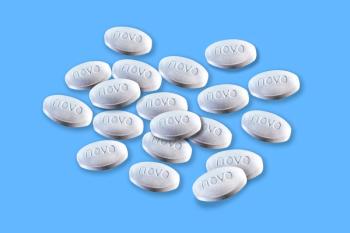
The FDA approval of the Wegovy pill offers a new, effective GLP-1 option for weight management, with pharmacists playing a key role in patient counseling and adherence support.

The expanded indication is supported by findings from the phase 3 TRANSCEND clinical trial.
A timely pharmacist referral and collaborative care approach can set off a chain of positive lifestyle changes.
How pharmacists enter sports medicine, guide safe supplements, prevent doping risks, and join athlete care teams through the Sports Pharmacy Network.

The acquisition brings an autoinjector platform and a broad device portfolio into emmbecta's growing chronic care ecosystem.

FDA fast-tracks higher-dose weekly semaglutide, showing up to 20.7% weight loss.

Respiratory syncytial virus hits older adults hard and is often missed. Learn symptoms, testing, and how new vaccines and pharmacists help prevent severe illness.

In patients with diabetes, liver stiffness testing flags hidden MASLD fibrosis and sharply higher death risk.
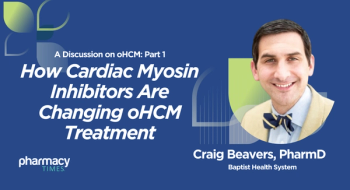
Craig Beavers, PharmD, FACC, FAHA, FCCP, BCCP, BCPS-AQ Cardiology, CACP, breaks down the key distinctions between obstructive and nonobstructive hypertrophic cardiomyopathy (oHCM) and explains how cardiac myosin inhibitors target the underlying disease mechanism.

Evidence questions anemia plus thrombocytopenia prognosis in primary myelofibrosis, helping oncology pharmacists refine hematology risk stratification.

Research suggests a shift from the Cockcroft–Gault formula to race-free eGFR testing for accurate kidney function assessment and improved medication dosing.

Tucatinib triplet regimen with trastuzumab and capecitabine boosts survival and cerebrospinal fluid control in HER2-positive breast cancer leptomeningeal metastasis.
FDA approval of linerixibat brings the first targeted oral relief for cholestatic pruritus in primary biliary cholangitis, easing relentless autoimmune itch fast.
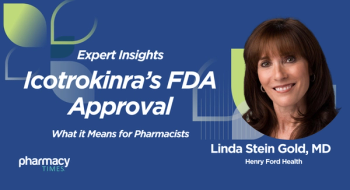
Icotrokinra, a first-in-class oral IL-23 receptor blocker, fills a long-standing gap in the treatment of moderate to severe plaque psoriasis.
Review drug disposal options and discuss proper medication storage when dispensing.
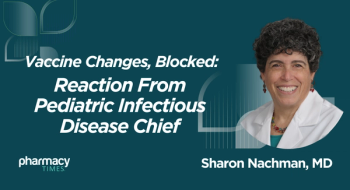
Sharon Nachman, MD, division chief for pediatric infectious disease at Stony Brook Children's Hospital, shares her reaction to the court ruling blocking the scaled-back childhood vaccine schedule.

Interoperability gaps in EHRs hinder pharmacists' ability to ensure safe medication practices, impacting patient safety and care transitions.
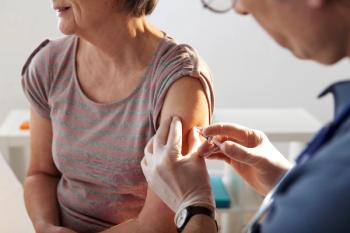
Dual-target flu immunity to HA and NA halves airborne spread in ferrets without escape mutations, reshaping next-generation vaccines and pharmacist counseling.
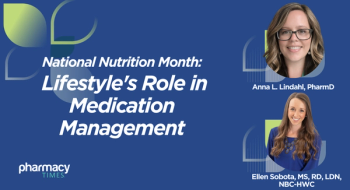
Pharmacists play a pivotal role in helping patients align healthy nutritional habits with consistent medication adherence to improve long-term chronic disease outcomes.
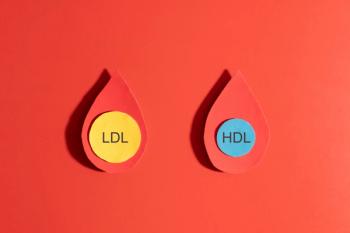
New American College of Cardiology/American Heart Association dyslipidemia guidelines reset LDL goals, add PREVENT risk scoring, and expand Lp(a)/apoB testing for earlier, tougher prevention.

Acquiring advanced certifications equips pharmacy technicians with a clear pathway to increased salary potential and long-term financial stability.

Olympic athlete Tabitha Peterson, PharmD, reveals how sports pharmacy helps athletes avoid antidoping risks, manage supplements safely, and stay competition-ready.

Real-world data show racial gaps in multiple myeloma CAR T-cell therapy; pharmacists in oncology can boost referrals, equity, and access.

RUNX1 in microglia helps predict opioid pain relief, higher morphine needs, and withdrawal severity—pointing to genetic screening and safer, personalized pain management.

New once-daily oral peptide blocks IL‑23 receptor, delivering high skin clearance and strong safety for moderate-to-severe plaque psoriasis in ages 12+.