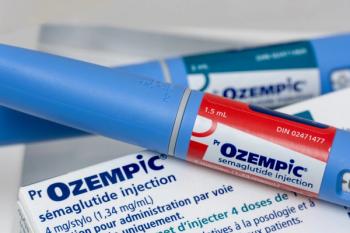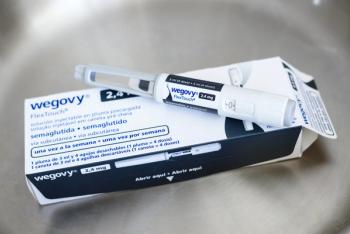
In adults with type 2 diabetes at high cardiovascular (CV) risk, the oral GLP-1 RA also improved HbA1C and weight, with less hypoglycemia but more GI events.

New American College of Cardiology/American Heart Association dyslipidemia guidelines reset LDL goals, add PREVENT risk scoring, and expand Lp(a)/apoB testing for earlier, tougher prevention.
The American College of Cardiology (ACC) and American Heart Association (AHA), along with 9 additional professional organizations, have released the 2026 Guideline on the Management of Dyslipidemia. It replaces the 2018 Guideline on the Management of Blood Cholesterol and emphasizes earlier intervention, lower cholesterol targets, expanded biomarker use, and adoption of a new cardiovascular risk calculator.1,2
A major change in the updated guidelines is the return of specific low-density lipoprotein cholesterol (LDL-C) treatment goals to guide lipid-lowering therapy. The guidelines recommend an LDL-C goal of less than 100 mg/dL for individuals at borderline or intermediate risk and less than 70 mg/dL for those at high risk. For individuals with atherosclerotic cardiovascular disease (ASCVD) who are at very high risk of ASCVD events, the LDL-C goal should be less than 55 mg/dL for secondary prevention of cardiac events.1,2
The guidelines incorporate the Predicting Risk of Cardiovascular Disease EVENTs (PREVENT-ASCVD) risk calculator, replacing the Pooled Cohort Equations that had been in use since 2013. The PREVENT equations are designed for adults aged 30 to 79 years without known ASCVD or subclinical atherosclerosis and with LDL-C of 70 to 189 mg/dL to estimate 10-year and 30-year risk of heart attack or stroke. The older Pooled Cohort Equations overestimated 10-year risk by 40% to 50%.1-3
"Lower LDL-C for longer, just like lower blood pressure for longer, results in much greater protection against future heart attack and stroke risk," said Roger Blumenthal, MD, FACC, FAHA, chair of the guideline writing committee and director of the Johns Hopkins Ciccarone Center for the Prevention of Cardiovascular Disease.2
The guidelines strongly recommend measuring lipoprotein(a) [Lp(a)] once during an adult's lifetime and incorporating apolipoprotein B (apoB) testing with a clear pathway toward improving risk assessment and guiding treatment. These biomarkers help identify individuals who may benefit from emerging therapies or who require more intensive lipid-lowering.1,2
A major focus of the guidelines is earlier intervention through healthy lifestyle changes, starting in childhood. The guidelines recommend cholesterol screening for all children aged 9 to 11 years who have not previously been screened to assess risk. Early consideration of pharmacotherapy is recommended in youth with familial hypercholesterolemia and in young adults with LDL-C of 160 mg/dL or higher or a strong family history of premature ASCVD.1,2
"Pharmacists are well positioned to be embedded within integrated care teams, where they can help close treatment gaps by identifying eligible patients, optimizing medication regimens, and supporting longitudinal monitoring," Joseph Saseen, PharmD, BCPS, BCACP, CLS, professor and associate dean for clinical affairs at the University of Colorado Anschutz Skaggs School of Pharmacy and Pharmaceutical Sciences and guideline author, noted in an interview with Pharmacy Times.4
Pharmacists should familiarize themselves with the PREVENT risk calculator and the updated LDL-C treatment targets. When counseling patients initiating or intensifying lipid-lowering therapy, pharmacists can emphasize that lower cholesterol levels maintained over longer periods provide greater cardiovascular protection. This message is particularly important for younger patients who may question the need for early intervention.
Pharmacists should advocate for appropriate biomarker testing when indicated. For patients with elevated Lp(a) or apoB levels, pharmacists can facilitate discussions with prescribers about intensified lipid-lowering strategies. As new lipid-lowering agents continue to enter the market, pharmacists play a critical role in medication management, monitoring for adverse effects, and supporting adherence.
Education on heart-healthy lifestyle modifications remains essential. Pharmacists should reinforce dietary counseling, encourage regular physical activity, and support smoking cessation efforts as foundational elements of dyslipidemia management alongside pharmacotherapy.
“We lower LDL-C to prevent heart attacks and strokes. We need to keep reminding our patients that cholesterol is the building block of atherosclerotic plaque that leads to heart attacks and strokes,” Ann Marie Navar, MD, PhD, associate professor of internal medicine at UT Southwestern Medical Center and an author of the guidelines, explained in an interview.5