

PEACE-3 trial data presented at ASCO GU show survival benefits with enzalutamide combination.
PEACE-3 trial data presented at ASCO GU show survival benefits with enzalutamide combination.

Carfilzomib may boost BCMA CAR T-cell therapy after relapse in multiple myeloma, guiding oncology pharmacists on safer immunotherapy sequencing.
The approval is supported by findings from the phase 1 Beamion LUNG-1 clinical trial.

Learn how COVID-19 drives heart and vascular risks, why vaccines and antivirals help, and how pharmacists manage dangerous drug interactions.

Orforglipron, an oral GLP-1 medication, demonstrated superior weight loss and blood glucose control compared with oral semaglutide in patients with type 2 diabetes (T2D).

Awareness of the nonlinear response helps ensure patients are treated with the least intensive regimen that achieves meaningful control while minimizing harm and improving long-term therapeutic success.
The oral solution improves central diabetes insipidus dosing precision, helping pharmacy teams tailor therapy, counsel patients, and monitor hyponatremia.

Collaborative practice agreements expand pharmacists’ clinical authority and patient access.

Flexibility, priorities, and structure are just as important as your account balance.
Managing high-cost oncology therapies requires extensive cross-functional coordination, with pharmacists playing a central role.
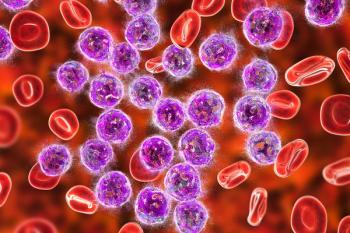
Targeted menin inhibitors offer new hope for patients with difficult-to-treat acute leukemias.

Comprehensive prevention and cardiometabolic risk control in prediabetes can reduce long-term complications, improve survival, and lower health system burden.
Linvoseltamab joins 3 other bispecific T-cell–engaging antibodies in multiple myeloma, offering deep and durable responses in heavily pretreated patients.
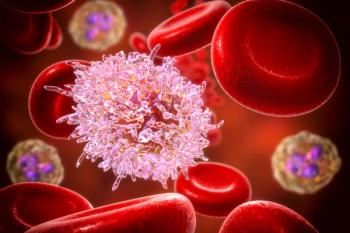
The approval for the oral, fixed-duration chronic lymphocytic leukemia (CLL) regimen was based on results from the phase 3 AMPLIFY trial.

Pharmacy technicians drive patient care through smart, tech-enabled inventory management.

Oncology pharmacists can advocate and communicate clearly to boost recognition, strengthen care teams, and improve cancer treatment outcomes.

Regulators should engage peptides through science-driven, pharmacy-centered oversight.

A new 4-pillar framework blends AI, real-time PDMP data, and social determinants of health to spot opioid misuse earlier and reduce overdoses.

After transitioning iron sucrose 200 mg from an infusion to intravenous push, the incidence of discordance and infusion reactions were not statistically different.

FDA approves encorafenib plus cetuximab chemotherapy for BRAF V600E metastatic colorectal cancer, boosting survival and response in BREAKWATER.
FDA clears pegzilarginase-nbln enzyme therapy for ARG1-D, cutting toxic arginine and boosting mobility.
Laxmi Mehta, MD, discusses widespread patient unawareness of nonstatin cholesterol therapies, common statin misconceptions, and the critical role pharmacists play in bridging the lipid treatment knowledge gap.

HER2 breast cancer vaccine boosted by CD27 sparked durable CD4 memory and dramatic tumor regression in studies.
See how prior authorization delays hit pharmacies first, and what state reforms—continuity rules, gold carding, ePA—can protect patient access.

FDA approves once-daily oral Wegovy for weight loss and long-term maintenance, matching injectable results while cutting cardiovascular event risk.

FDA clears oral Wegovy pills for weight loss, while Lemme Burn Gummies tout metabolic support; plus new thalassemia anemia drug and Lucentis biosimilar.

Study authors suggest that VA and health care professionals should educate patients on the medical evidence, gaps, policies, and laws related to cannabis.
With this action, dupilumab has become the first and only FDA-approved treatment for allergic fungal rhinosinusitis.

The guideline establishes a novel clinical classification framework and recommends direct oral anticoagulants over vitamin K antagonists for eligible patients.