Eight Humira biosimilars have been launched, but payer formularies and interchangeability rules decide what dispenses.
Findings from a meta-analysis reveal biosimilars for inflammatory bowel disease (IBD) offer similar efficacy and safety and maintained remission rates as their reference products.
Biosimilars maintain comparable efficacy, safety, and immunogenicity to originators in the treatment of inflammatory bowel disease (IBD), according to meta-analysis findings published in Revista Española de Enfermedades Digestivas. Patients reported comparable remission rates and remained stable following the switch from either reference infliximab (Remicade; Johnson & Johnson) or adalimumab (Humira; AbbVie) to one of their biosimilars.1
Reference infliximab is a monoclonal antibody used to reduce the symptoms of moderate to severe active IBD, which includes Crohn disease and ulcerative colitis, in adult and pediatric patients who have previously received prior lines of therapy. Additionally, the injection can be used either alone or in combination with other medicines to reduce symptoms and prevent the progression of rheumatoid arthritis, psoriatic arthritis, and active ankylosing spondylitis. Infliximab must be administered by a trained health care professional.2
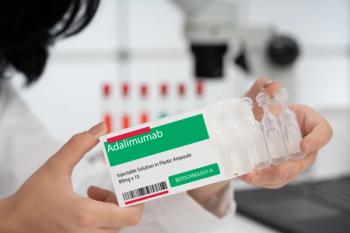
Reference adalimumab is a monoclonal antibody designed to recognize and attach to tumor necrosis factor (TNF) in patients’ bodies. TNF is involved in causing inflammation and is found at high levels in those with diseases that Humira is indicated to treat, including IBD. When it attaches to TNF, adalimumab blocks its activity, therefore reducing inflammation and other symptoms of the diseases.3
The authors wrote that biosimilars of infliximab and adalimumab are increasingly adopted in IBD treatment to help reduce the cost burden for patients; however, concerns regarding their long-term efficacy, immunogenicity, and safety after switching remain. For this reason, the investigators conducted a meta-analysis to synthesize contemporary evidence on outcomes after transitioning from originators to biosimilars.1
The authors systematically searched PubMed, Embase, MEDLINE, and conference abstracts (inception–June 2025) to identify randomized controlled trials (RCTs) and observational studies that compared biosimilars—including infliximab-dyyb (CT-P13, Remsima, Inflectra; Celltrion), SB2 (Renflexis; Janssen Biotech, AbbVie), adalimumab-bwwd (Hadlima, SB5; Samsung Bioepis), among others—with originators in IBD. Primary outcomes included the following: clinical remission, discontinuation rate, adverse events, C-reactive protein (CRP), fecal calprotectin (FCAL), and antidrug antibody (ADA) incidence. Additionally, pooled ORs and event rates were calculated using random-effects models.1
Among the gathered 37 studies (36 observational, 1 RCT), which enrolled 10,812 patients with IBD, biosimilars demonstrated comparable clinical remission rates before and after switch in patients with Crohn disease (OR, 0.87; 95% CI, 0.74-0.96) and ulcerative colitis (OR, 1.25; 95% CI, 0.83-1.90). Biomarkers such as CRP and FCAL remained stable after the transition. Pooled discontinuation rates were 13% (range: 2%-36%) after switching.1
Safety profiles were similar between biosimilars and their reference products, and ADA incidence (OR, 0.96; 95% CI, 0.46-2.02) demonstrated no significant differences. Heterogeneity stemmed from differences in follow-up duration, disease subtype (Crohn disease vs ulcerative colitis), and variable outcome definitions.
The authors urged that standardized reporting of mucosal healing, drug monitoring, and economic metrics must be implemented to optimize biosimilar adoption in real-world practice.1