

All News
Advertisement

EPCORE trial data show epcoritamab plus lenalidomide and rituximab delivers responses in relapsed/refractory follicular lymphoma with outpatient dosing.
Advertisement

Walgreens pilots hybrid pharmacists—4 days in-store, 1 day remote—seeking less burnout and more steady staffing.

McCreary and Dudley emphasize the role of pharmacists when optimizing antimicrobial use, supporting patient care across diverse settings, and driving education, research, and policy.
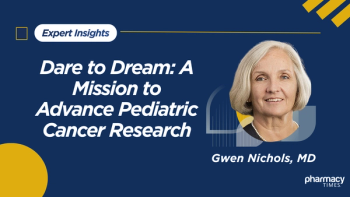
Gwen Nichols shares her dream of changing the landscape of pediatric cancer research and care.

Cone Health Cancer Center pharmacists lead bispecific T-cell engager rollout, boosting local access to care.
Advertisement
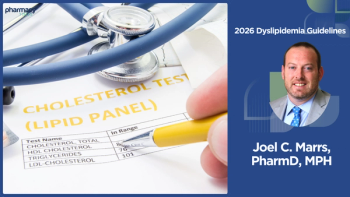
Pharmacists play a central role in shared decision-making by guiding patients through lipid-lowering options, cost considerations, and ongoing monitoring aligned with updated dyslipidemia guidelines.

Experts describe how infectious disease pharmacists drive antimicrobial stewardship, tackle resistance, and shape global training as SIDP marks 35 years.

Walgreens’ hybrid pharmacist pilot is delivering early positive results while serving as a foundational element of a broader workforce modernization strategy.
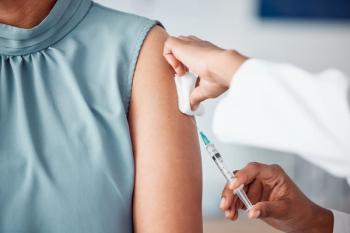
Pharmacists and students must stay up to date on vaccine recommendations amid changing guidelines.
Advertisement
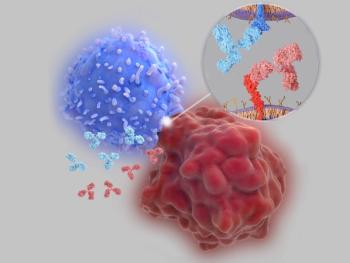
Adjuvant PD-1/PD-L1 inhibitors improve disease-free and metastasis-free survival in patients with solid tumors but require careful patient selection.

When performed appropriately, medication reconciliations can reduce discrepancies from as high as 70% to as low as 15%.

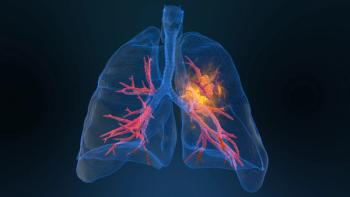
COVID-19 infection may create lasting changes in the lung microenvironment—particularly through thymidine phosphorylase–driven pathways—that could increase the risk of lung cancer over time.

Anthony Blaszczyk, PhD, explains the intricacy of CGT manufacturing demands, best practices, and how USP is supporting developers.

Post–COVID-19 access gaps fuel unsafe, unregulated Botox and cosmetic injections; trained pharmacists can deliver regulated botulinum toxin injectables through voluntary specialization.

This decision builds upon the drug’s initial approval for adult patients and introduces a new therapeutic option for clinicians treating pediatric populations with rapid heart rate disturbances.
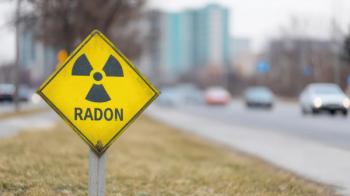
WHI data link radon exposure to higher ovarian cancer risk and deaths; learn how home testing may reduce cancer risk in high-radon areas.

Beyond memantine's approved use in Alzheimer disease, emerging evidence highlights a possible role for it in select epilepsy cases.
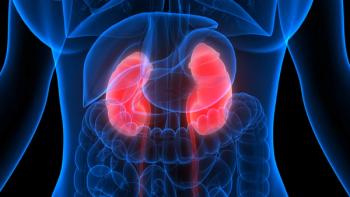
The indication is to reduce proteinuria in adults and children aged 8 years and older with focal segmental glomerulosclerosis (FSGS) without nephrotic symptoms.
Walgreens’ hybrid pharmacist model combines in-store and centralized responsibilities to improve workforce flexibility.

Emerging therapeutic options represent a new age for treatment of high-risk non–muscle invasive bladder cancer.
FDA fast track designation advances oral EP300/CBP inhibitor OPN-6602 for relapsed/refractory multiple myeloma, highlighting novel hematology-oncology options and key pharmacist considerations.

Students should consider reaching out to their experiential education department to learn what opportunities may be available.

Real-world data show pharmacist-driven obesity care models may offer greater improvements in hemoglobin A1C and lipid parameters while supporting multidisciplinary, patient-centered care.

PCOS in female athletes often goes unrecognized due to atypical presentations, requiring careful differentiation, individualized management, and a multidisciplinary approach to protect both performance and long-term health.

As loneliness becomes a global health threat, pharmacies can take the social responsibility to combat isolation crisis and champion the community's health.

New data highlight the impact of pharmacist-driven continuous glucose monitoring services on hemoglobin A1C reduction, time in range, and medication adherence.
New evidence shows that human papillomavirus (HPV) 9-valent vaccine protection lasts up to 14 years. Learn why early vaccination and pharmacists can boost cancer prevention.
Cristian Tomasetti, PhD, explains how obesity enlarges organs, raising cancer risk, and how GLP-1 weight loss therapy may reverse this, guiding oncology pharmacists.
Advertisement
Advertisement
Trending on Pharmacy Times
1
FDA Adds a New Sunscreen to the OTC Repertoire
2
EPCORE DLBCL-1 Trial Demonstrates Durable Responses, PFS Benefit With Epcoritamab in RR LBCL
3
NLA 2026: Evolocumab Cuts Cardiovascular Events in High-Risk Patients Before First MI or Stroke
4
From Confusion to Clarity: Nadia Ahmad, PharmD, Highlights the Vital Role of the 2026 OTC Guide
5