Phase 2 DeLLphi-309 data show comparable activity in previously treated SCLC with less frequent dosing.
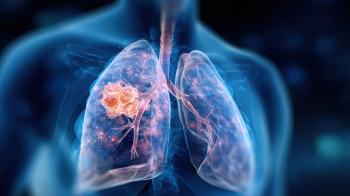
COVID-19 infection may create lasting changes in the lung microenvironment—particularly through thymidine phosphorylase–driven pathways—that could increase the risk of lung cancer over time.
As the long-term impacts of the COVID-19 pandemic are still unfolding, new research findings highlight changes in lung tissue that may persist beyond recovery from acute infection. Data from a recent study summarized by News-Medical and based on findings published in Frontiers in Immunology suggest that SARS-CoV-2 infection, the virus that causes COVID-19, may promote molecular changes in the lung that contribute to tumor development, raising concerns about an increased risk of lung cancer over time.1,2
The lungs serve as the primary site of SARS-CoV-2 infection, making them particularly susceptible to both acute injury and long-term structural damage. While early attention has focused on complications such as pneumonia and acute respiratory distress syndrome, growing evidence suggests that COVID-19 may also leave behind a persistently altered pulmonary microenvironment.3
Research shows that the viral infection is not just causing inflammation in the lungs, but it can also lead to tissue remodeling and dysregulated repair. These mechanisms contribute to lung cancer, where repeated cycles of injury and regeneration can lead to genomic instability and uncontrolled cell growth.4
“Our findings suggest that COVID-19 may do more than cause acute illness—it may also create biological conditions in the lung that could contribute to increased cancer risk over time. Understanding these pathways is critical as we continue to study the long-term health impacts of the virus,” said Wei Li, PhD, professor of biomedical sciences at Marshall University Joan C. Edwards School of Medicine and co-corresponding author on the study.1
The study data highlight thymidine phosphorylase (TP) as a key factor in lung tumor-promoting activities. It was shown that the SARS-CoV-2 spike protein could induce a rise in TP levels in lung cells, thereby activating pathways linked to blood vessel formation and tumor development.2
Oncology researchers have recognized TP as a major player in tumor biology, as it helps form blood vessels that supply tumors and support their growth. In the lungs, TP overexpression may be one of the factors driving cancer development by altering the immune landscape and increasing angiogenic signals that favor tumor cells.2
Importantly, these results were consistent across in vitro and in vivo studies, suggesting that spike protein-induced signaling can lead to tumorigenic changes in lung tissue even without viral replication.2 This supports the idea that brief exposure to a virus might induce long-term changes in the lung.
The relationship between chronic lung injury and cancer development is well established. Persistent inflammation, fibrosis, and immune dysregulation are known to increase the likelihood of malignant transformation in pulmonary tissue.4 In patients recovering from COVID-19, these processes may be amplified, particularly in those with preexisting risk factors such as smoking or environmental exposures.3
The report further highlights epidemiological signals suggesting a potential association between prior COVID-19 infection and increased lung cancer incidence, supporting the biological mechanisms identified in the study.1 Collectively, these data disclose the interaction of the single-cell and whole-population study data associating the infection with SARS-CoV-2 with the elevated risk to lung function and the lung structure in the distant future.
“The collaboration between basic and translational scientists and clinicians enabled the identification of mechanisms underlying epidemiological evidence linking COVID-19 infection to the potential increased risk of lung cancer,” said David Gozal, MD, PhD, MBA, vice president for health affairs and dean of the Joan C. Edwards School of Medicine. “This is exactly the type of research the School of Medicine aims to expand in the coming years.”1
While these findings are still preliminary, they highlight the significance of regular lung health surveillance in patients post COVID-19. Clinicians may need to assess the role of postinfectious alterations, such as ongoing inflammation, vascular structural changes, and disrupted immune signaling, in the development of cancer over time.3
Further research is required to establish if these mechanistic results lead to a rise in lung cancer occurrences and also to determine which groups of patients are most vulnerable.2 One of the priorities of longitudinal studies should be pulmonary outcomes in order to effectively develop screening methods and preventive measures.
As the long-term pulmonary effects of COVID-19 continue to be defined, understanding how SARS-CoV-2 reshapes the lung microenvironment may prove critical in identifying and mitigating downstream complications, including malignancy.