ENDURANCE trial finds fixed 2-year lenalidomide maintenance matches continuous therapy for standard-risk multiple myeloma survival, guiding oncology pharmacists on MM regimen toxicity.
FDA fast track designation advances oral EP300/CBP inhibitor OPN-6602 for relapsed/refractory multiple myeloma, highlighting novel hematology-oncology options and key pharmacist considerations.
The FDA has granted a fast track designation to OPN-6602, an investigational oral EP300/CBP inhibitor developed by Opna Bio for the treatment of relapsed or refractory multiple myeloma.¹ This designation applies to patients who have received at least 4 prior lines of therapy, a heavily pretreated population with limited remaining treatment options and poor clinical outcomes. OPN-6602 is currently being evaluated in a phase 1 clinical trial assessing safety, tolerability, pharmacokinetics, and early signs of antitumor activity.¹
Fast track designation is a regulatory pathway established by the FDA to facilitate the development and expedite the review of therapies that address serious conditions and demonstrate the potential to meet unmet medical needs.² This pathway is designed to shorten the time between early clinical development and potential approval by allowing more frequent FDA interaction, enabling rolling submission of a new drug application, and providing eligibility for priority review if sufficient clinical benefit is demonstrated.²
Importantly, fast track designation does not indicate that a therapy has been proven safe or effective. Instead, it reflects early scientific and clinical rationale suggesting potential benefit in a high-need patient population.² This distinction is particularly relevant in oncology, where investigational therapies are often studied in patients with relapsed or refractory multiple myeloma who have exhausted standard treatment options and face progressively limited therapeutic choices.³
OPN-6602 is an oral small-molecule inhibitor targeting EP300 and CREB-binding protein (CBP), 2 transcriptional coactivators involved in chromatin remodeling and regulation of gene expression.¹ These pathways play an important role in maintaining cancer cell survival by supporting transcriptional programs that promote proliferation and resistance to therapy.¹
In multiple myeloma, abnormal gene regulation contributes to disease progression and treatment resistance over time. By inhibiting EP300/CBP activity, OPN-6602 is designed to disrupt these oncogenic transcriptional pathways and reduce malignant plasma cell viability.¹ This represents a distinct therapeutic approach compared with established treatment classes such as proteasome inhibitors, immunomodulatory drugs, and anti-CD38 monoclonal antibodies, which currently form the backbone of multiple myeloma therapy.³
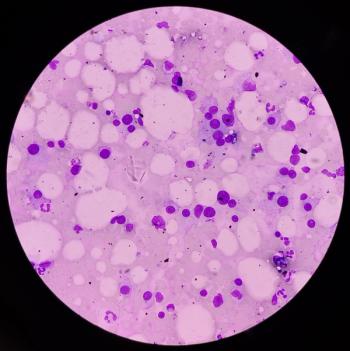
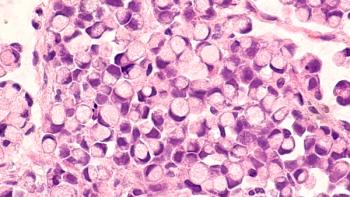
Multiple myeloma is a plasma cell malignancy characterized by uncontrolled proliferation of abnormal plasma cells within the bone marrow. This infiltration leads to a range of complications, including bone destruction, anemia, cytopenias, renal dysfunction, and immune suppression.³
Although advances in therapy have significantly improved survival outcomes, multiple myeloma remains incurable for most patients. Over time, patients typically cycle through multiple lines of therapy, with response duration often decreasing with each subsequent treatment. As disease becomes more resistant, therapeutic options become increasingly limited, particularly in patients with triple-class–exposed or penta-refractory disease, who face especially poor outcomes and a high unmet need for novel treatment strategies.³
The FDA fast track program is intended to support the development of therapies that address serious diseases with limited treatment options.² For OPN-6602, this designation may enable earlier and more frequent regulatory communication, rolling submission of clinical data, and potential eligibility for accelerated approval pathways if clinical efficacy is demonstrated.²
OPN-6602 is currently in a phase 1 clinical trial designed to evaluate safety, tolerability, pharmacokinetics, and preliminary efficacy in patients with relapsed or refractory multiple myeloma.¹ Early-stage clinical trials such as this are essential for determining appropriate dosing and identifying early signals of clinical activity in humans.
In addition, OPN-6602 has received orphan drug designation, further supporting its development in a rare and high-unmet-need oncology population.¹
For oncology pharmacists, emerging therapies such as OPN-6602 highlight the growing importance of understanding novel epigenetic mechanisms and how they may translate into clinical practice. Early-phase investigational agents often have evolving safety profiles, making it essential for pharmacists to stay engaged with emerging clinical data and anticipate how new mechanisms may differ from established multiple myeloma therapies.¹
In relapsed or refractory multiple myeloma, patients are frequently heavily pretreated and at increased risk for toxicity, drug-drug interactions, and complex medication regimens.¹ This places pharmacists in a key position to support safe medication use through monitoring, counseling, and interdisciplinary collaboration.¹
As development progresses, pharmacists will also play an important role in interpreting clinical trial data, supporting regimen optimization, and preparing for potential integration of novel therapies into clinical practice.¹ Because OPN-6602 is an oral investigational agent, adherence monitoring, interaction screening, and patient education will be especially important considerations in outpatient oncology settings.¹