
The FDA approved the oral antiviral ensitrelvir (Xocova; Shionogi & Co, Ltd) for post-exposure prophylaxis (PEP) of COVID‑19 in adults and adolescents 12 years and older.
The FDA approved the oral antiviral ensitrelvir (Xocova; Shionogi & Co, Ltd) for post-exposure prophylaxis (PEP) of COVID‑19 in adults and adolescents 12 years and older.

Data presented at ASCO 2026 show giredestrant plus palbociclib extends PFS in ER+/HER2– metastatic breast cancer; FDA approval is on the horizon.
Afrezza is the only ultra rapid-acting inhaled insulin approved by the FDA to improve glycemic control in children, adolescent, and adult patients with diabetes.
FDA approval brings durvalumab plus BCG to frontline high-risk NMIBC, boosting disease-free survival and expanding oncology options.

The approval ends a decades-long gap in care for patients with chronic hepatitis delta virus (HDV) infection, a serious and life-threatening coinfection with hepatitis B that can rapidly progress to cirrhosis, liver cancer, and liver failure.
This week's episode covers the White House's expansion of the TrumpRx.gov platform, the pharmacist's critical role in closing adult hepatitis B vaccination gaps, and new FDA approvals in immunology, oncology, and cardiovascular care.

If approved for this indication, finerenone would become the first nonsteroidal mineralocorticoid receptor antagonist indicated for adults with type 1 diabetes and CKD.

The approval is supported by data from the phase 3 TROPION-Breast02 trial.
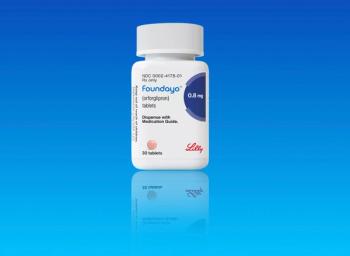
New once-daily oral GLP‑1 agonist cuts hemoglobin A1c and drives 5% to 10% weight loss—with no fasting rules—expanding options for obesity and diabetes care.
The FDA approved baxdrostat based on meaningfully positive results from the phase 3 BaxHTN trial.
The FDA approved 2 new indications for fam-trastuzumab deruxtecan-nxki in HER2-positive early-stage breast cancer, expanding its use in both neoadjuvant and adjuvant settings.
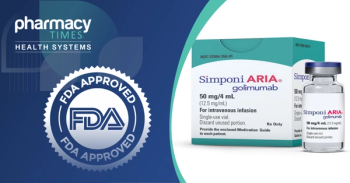
FDA approval clears interchangeable golimumab biosimilars for rheumatoid arthritis and ulcerative colitis, promising lower-cost TNF therapy.

Efficacy and safety were evaluated in the phase 3 IMvigor011 trial.
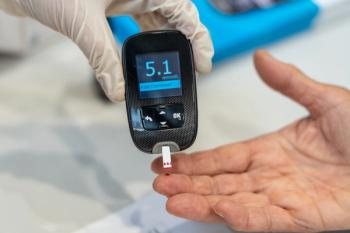
FDA Recall targets True Metrix blood glucose monitoring systems after E-5 errors risk mistreating diabetes; updated guidance helps patients, pharmacists prevent harm.
FDA approves benralizumab for hypereosinophilic syndrome, driven by NATRON phase 3 clinical trial data showing fewer flares and improved fatigue.
This week’s episode covers Marty Makary’s resignation as FDA commissioner, evolving hepatitis B vaccination efforts, and new FDA approvals in asthma and precision oncology.
FDA approval brings the first all-oral AML combination therapy, decitabine/cedazuridine with venetoclax, for older or unfit patients, cutting clinic visits.
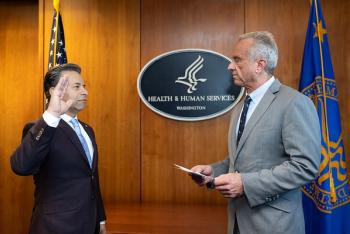
The commissioner's sudden departure leaves the agency navigating a crowded agenda of unresolved policy questions—many with direct implications for pharmacists and their patients.
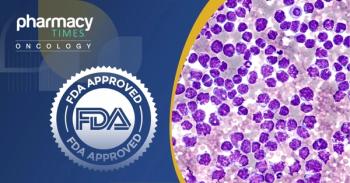
FDA approves sonrotoclax for patients who have received at least 2 lines of systemic therapy, including a Bruton tyrosine kinase inhibitor.
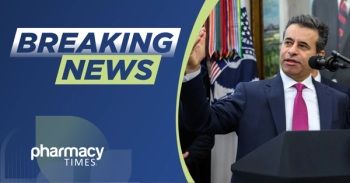
Makary's 13-month tenure ends after clashes with the Trump administration over flavored vape approvals, mifepristone policy, and broader agency management.

Treatment with zenocutuzumab-zbco led to an overall response rate of 36.8% for a duration ranging from 2.8 to 12.9 months.

FDA approval brings AstraZeneca’s Breztri Aerosphere triple asthma inhaler for patients 12 years and older, boosting lung function fast and simplifying daily control.
Explore updates around hantavirus outbreak and FDA controversies.

The agency greenlit 4 Glas electronic nicotine delivery systems through the premarket tobacco product application pathway, a historic first that comes amid reported White House pressure on FDA Commissioner Marty Makary.

FDA leaders reportedly delay vaccine safety findings on COVID-19 and shingles shots, raising transparency concerns and new challenges for pharmacists.
The FDA approved the supplemental biologics license for the expansion of IVIG (immune globulin, intravenous) use to children 2 years and older with primary humoral immunodeficiency, enabling earlier treatment and infection protection.
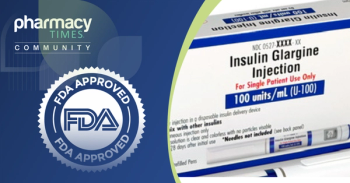
The interchangeable designation allows pharmacists to substitute Langlara for Lantus at the point of dispensing without prescriber intervention, a distinction that carries significant clinical and operational implications for pharmacy practice.

The agency's proposal to exclude semaglutide, tirzepatide, and liraglutide from the 503B Bulks List signals that large-scale compounding of these agents has no regulatory future, and carries immediate implications for pharmacy practice.
The approval follows positive results from a phase 3 randomized withdrawal trial.

The FDA expands teplizumab-mzwv use to ages 1+ with stage 2 type 1 diabetes, detailing PETITE-T1D safety, EBV/CMV precautions, and pharmacist support to delay onset.