
































































































Nearly 60% of patients who regained all the weight stayed in remission at 5 years post-surgery, according to study results.
Nearly 60% of patients who regained all the weight stayed in remission at 5 years post-surgery, according to study results.
Sustained cognitive improvement is likely a result of lower inflammation, remission of comorbidities, higher physical activity, and better mood.

Finding simple solutions to improve movement during the day can make important differences to their overall health
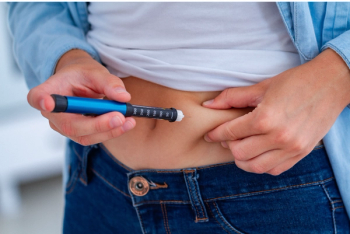
The diabetes/weight loss drug has surged in popularity, and new trials are evaluating it for certain pediatric patients.
There are 2 features of weight loss interventions which are most likely to improve weight loss outcomes—having access to professional health coaches and social support from other users.

With the increase in counterfeit GLP-1 and GLP/GIP medications available online, education may be needed for patients around the dangers of unregulated medications.

Eli Lilly & Co. has been one of the first companies to address the off-label use of their tirzepatide drugs, Mounjaro and Zepbound, for cosmetic weight loss.

Liraglutide, a glucagon-like peptide 1 receptor agonist, has shown a clinically and significant reduction in glycated hemoglobin for those with type 2 diabetes.

With gastrointestinal-based adverse effectss for rivastigmine and other cholinesterase inhibitors, a weight of <50 and <55 kg respectively leads to an increased risk for toxicities.

This month's Pharmacy Times Condition Watch features obesity and type 2 diabetes.
In the phase 3 SURMOUNT-4 trial, investigators included individuals with at least 1 weight-related complication, including hypertension, dyslipidemia, obstructive sleep apnea, or cardiovascular disease.
A new hydrogel drug delivery system could change the way diabetes is managed.

Older treatments and novel options are changing the way obesity is treated and managed
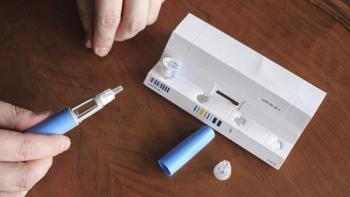
The SELECT trial expands on existing literature that have shown safety and cardiovascular benefit in individuals with diabetes to now also show benefit in obesity.
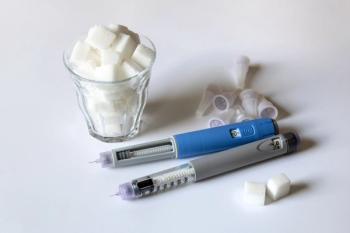
Tirzepatide is already approved under the brand name Mounjaro (Lilly) to be used along with diet and exercise to improve blood sugar in adults with type 2 diabetes.
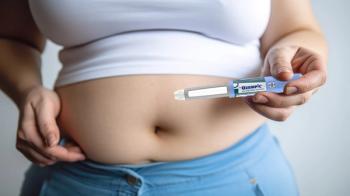
Pricing is also a key issue, as many insurance plans do not cover these medications’ use for obesity.

A low carbohydrate diet plus a sodium glucose contransporter-2 (SGLT2) inhibitor was found to be safe and effective for weight loss and glycemic control in patients with diabetes and chronic kidney disease.
This “refreshing alternative” to calorie restriction does not include calorie counting, yet it is naturally associated with greater energy restriction compared to the latter.

Semaglutide was found to be the most effective drug for weight loss, but the benefits may not outweigh the cost associated with treatment.

Long lasting weight reduction was reported in individuals that were treated with tirzepatide with diet and exercise, compared to placebo.


Latinx teens suffering with mental health issues are at risk of developing cardiovascular conditions in their future.
Obesity is a chronic disease comprised of dysregulated adipose tissue, increasing the risk of developing serious health conditions, and requires more than just losing weight.

Poor sleep patterns were related to anxiety, depression, body fat gain, and loss of muscle mass in older individuals who are obese.

SYNCHRONIZE-1, SYCHRONIZE-2, SYNCHRONIZE-CVOT will evaluate survodutide for overweight and obesity.