










































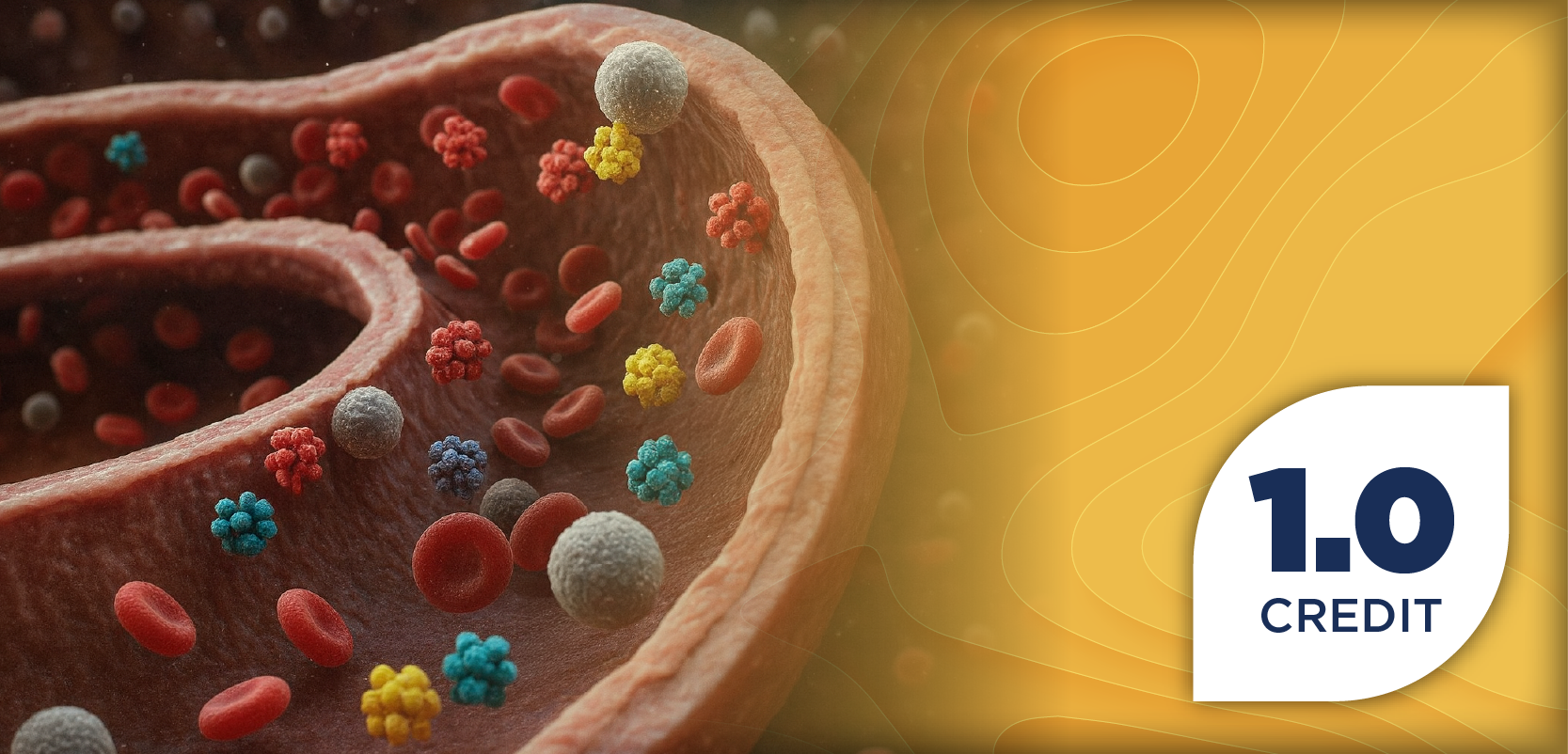































































Further, the ISCs reside in a series of regularly folded valleys of the gut, which the researchers call crypts.

Further, the ISCs reside in a series of regularly folded valleys of the gut, which the researchers call crypts.
Researchers noted decreases in control of blood pressure as well as non¬–high-density lipoprotein cholesterol, both of which are risk factors for diabetes.

Pharmacists play an important role in assisting with hypertension treatment by helping to modify blood pressure therapies when patients experience adverse effects or helping if a patient has difficulty remembering to take their medications.
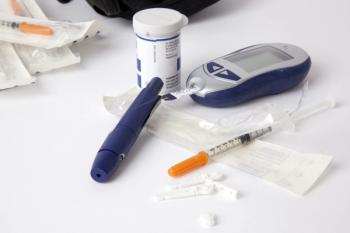
Continuous glucose monitors were associated with a decline in levels of HbA1c as well as reduced emergency department visits and hospitalizations for hypoglycemia.

By encouraging patients to find activities they enjoy and celebrating small improvements, health care professionals can help patients improve mild to moderate hypertension and elevated cholesterol.
Semaglutide (Wegovy) injection is indicated for use with a reduced calorie meal plan and increased physical activity to help adults with obesity or overweight, who also have weight-related medical problems, lose weight and maintain weight loss.
Semaglutide (Ozempic) is a glucagon-like peptide 1 receptor agonist, approved as an adjunct to diet and exercise to improve glycemic control in adults with type 2 diabetes.

Researchers found an association between fruit intake and markers of insulin sensitivity, which meant that people who consumed more fruit had to produce less insulin to lower their blood glucose levels.

Previous research indicates that probiotics decrease upper respiratory infections in healthy adults and children, but limited data exist on older, overweight, and people with obesity.
most women reported 1 or more episodes of weight cycling, and each additional weight cycling episode was related to shorter sleep duration and poorer sleep quality.

Individuals who took probiotics during the 6-month-long study had a 27% lower overall incidence of upper respiratory tract symptoms compared to the placebo group.

Pairing semaglutide, a drug used to treat diabetes, with a minimally invasive endoscopic sleeve gastroplasty (ESG) can provide significant weight loss benefits for patients who are not candidates for invasive weight loss surgery, according to a study presented at Digestive Disease Week 2021.

Presented at the European Congress on Obesity, the analysis includes data from 121 trials with nearly 10,000 adult participants.

Obesity-related factors, including changes to the innate and adaptive immune systems brought on by excess weight, are believed to be associated with an increased risk of contracting various viral diseases.

More than half of all female patients who undergo bariatric surgery are of reproductive age, and the resulting weight loss improves fertility, as well as reducing the risk of gestational diabetes and hypertensive disorders during pregnancy.

Managing weight, blood pressure and cholesterol in children may help protect brain function later in life.
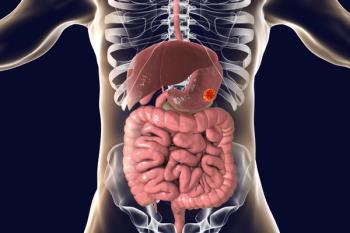
Models without the Gastrokine-1 protein weigh less and had lower levels of total body fat, despite consuming the same amount of food.

The new study evaluated data from 5000 patients with EBC and 3496 with ABC to determine associations between BMI and survival rates across both stages.

One of the first anti-obesity therapies to be introduced and marketed as a pharmaceutical was 2-4-Dinitrophenol, which entered the market around 1934.

Processed diets may initially reduce the incidence of foodborne infectious diseases, such as E.coli, but might also increase the incidence of diseases characterized by low-grade chronic infection and inflammation.

A greater understanding of obesity and its impact on cardiovascular health highlights abdominal obesity, sometimes referred to as visceral adipose tissue (VAT), as a cardiovascular disease risk marker.

Patients with COVID-19 and obesity were more likely to require oxygen and had a 73% greater change of requiring invasive mechanical ventilation.

A new study shows that overweight breast cancer survivors have a statistically significant increased risk of developing second primary cancers, and obesity is strongly associated with an increased risk of various cancer types.

Heart failure and stroke are rising among individuals below 40 years of age, with links between obesity and low fitness in the late teen years and these early diagnoses.
The researchers found that patients who reduced their calorie intake by 10% or more and adopted a moderate exercise program immediately after their diagnosis had, on average, 70% less chance of having lingering leukemia cells after a month of chemotherapy than those not on the diet-and-exercise regimen.