
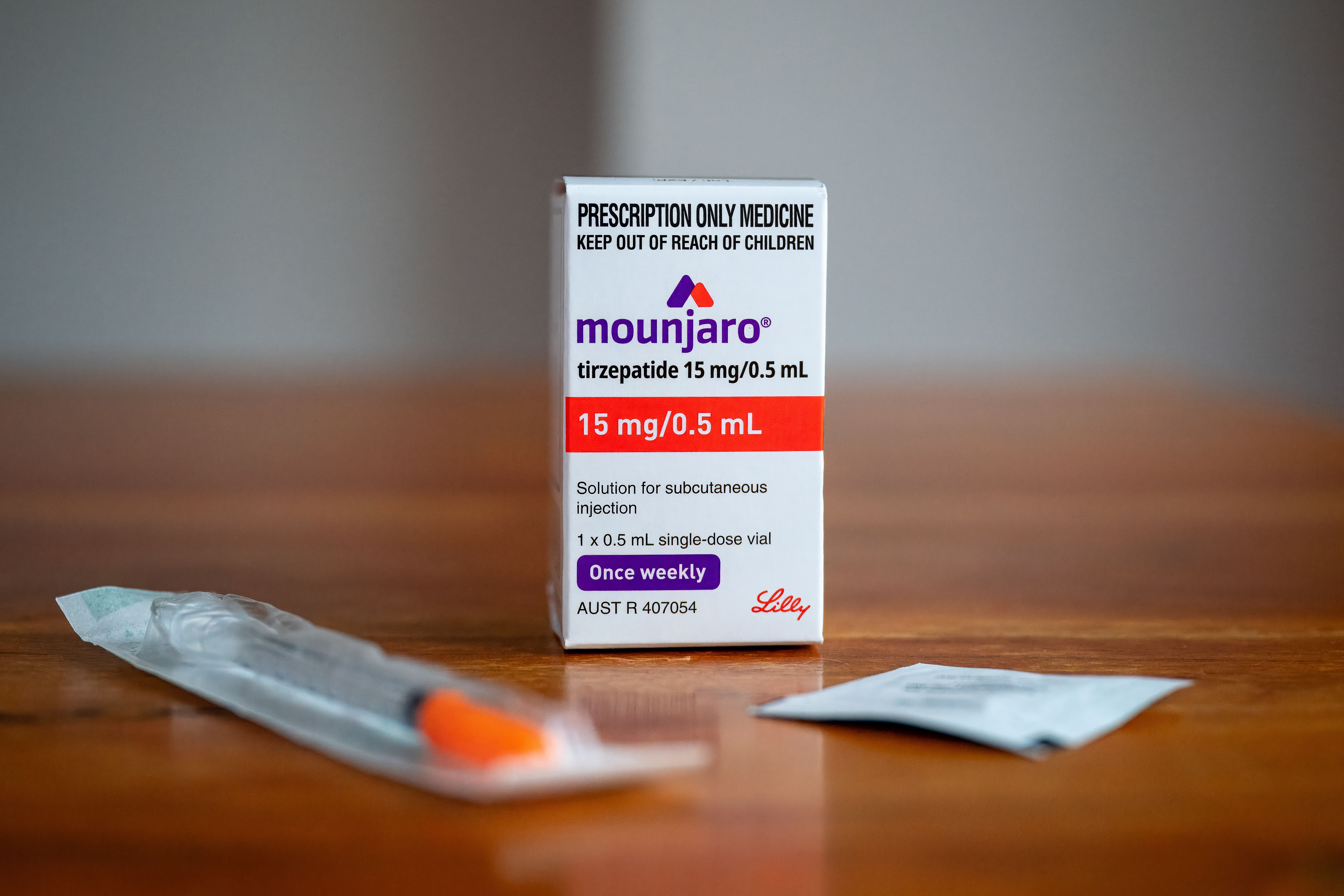


















































































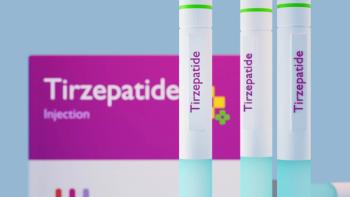
For adults receiving the 15 mg dose, tirzepatide sustained weight loss with an average reduction of 22.9% in body weight compared with 2.1% for the placebo.
For adults receiving the 15 mg dose, tirzepatide sustained weight loss with an average reduction of 22.9% in body weight compared with 2.1% for the placebo.
Glucagon-like peptide-1 receptor agonists and sodium-glucose contransporter-2 inhibitors have been added as first-line therapy recommendation for type 2 diabetes, the first since metformin

Pharmacists play an important role in managing patients with this complex condition.
The system is an outpatient procedure that resurfaces the mucosal lining, making it easier for the body to maintain healthy metabolism and blood glucose levels.

A 5:2 intermittent fasting plan combined with meal replacement had better positive outcomes compared with metformin and empagliflozin.

Anatomical alterations result in many downstream changes, such as changes in pH, gastric volume, food intake, surface area for absorption, gastric emptying and transit times, and intestinal enzymes and efflux pumps, among others.
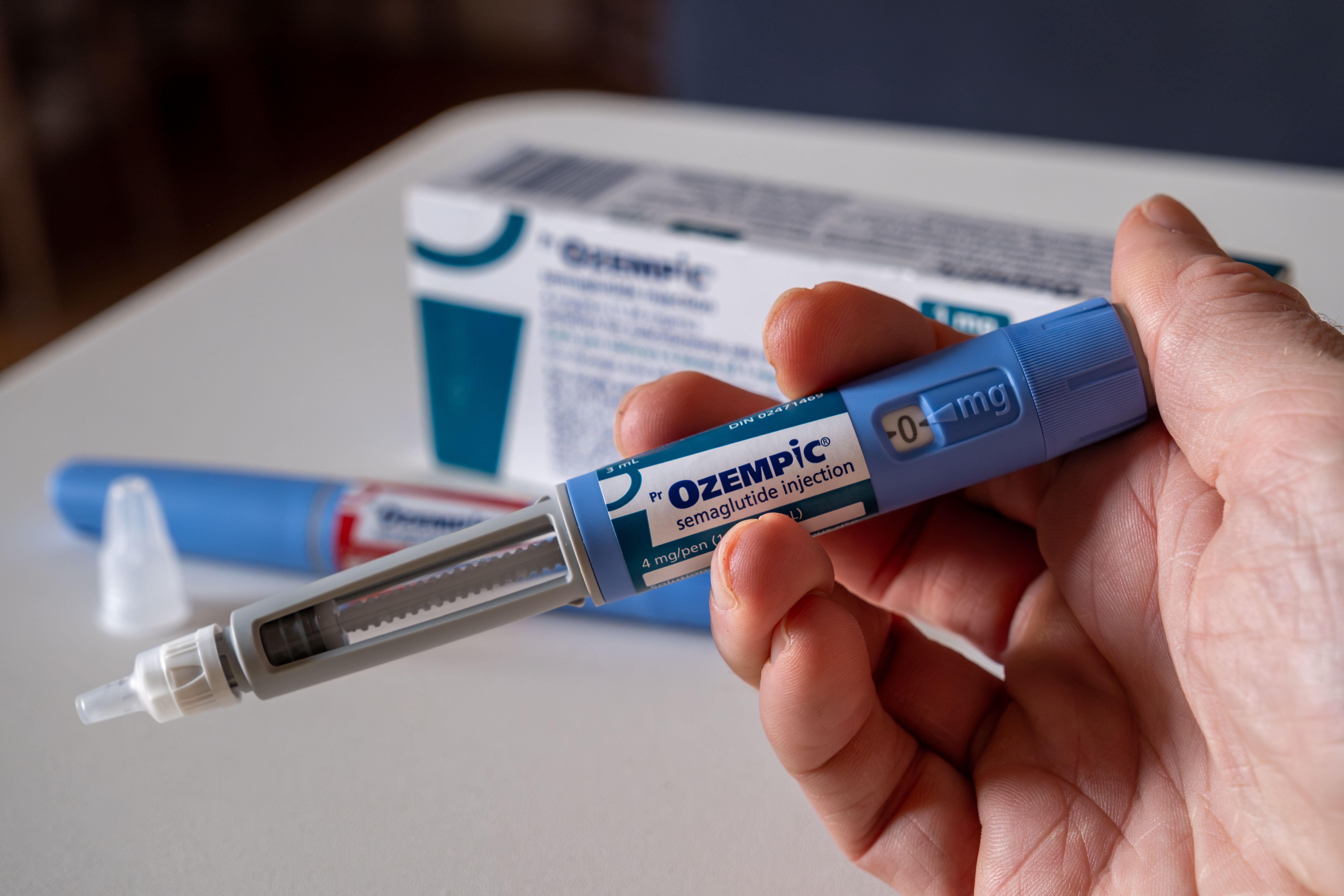
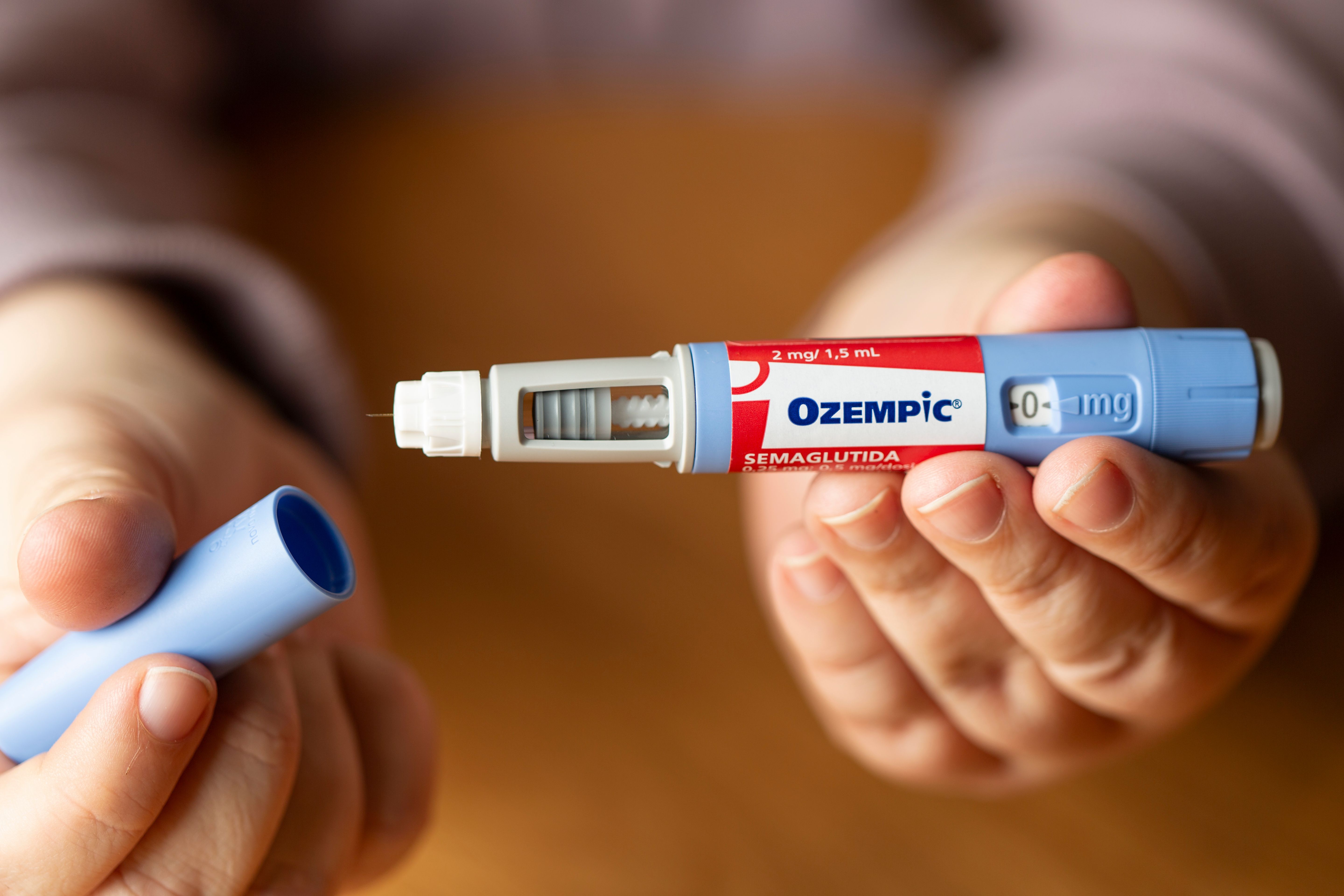
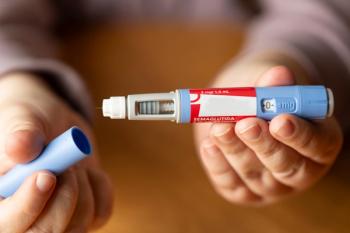
Use of semaglutide injections may be linked to an increased risk of blindness in patients with diabetes.
The FDA has issued a statement on suicidal thoughts or actions and has launched evaluations for that signal as well as alopecia and aspiration.

W. Timothy Garvey expressed concern over limited access to effective obesity medications like Ozempic due to shortages and high costs, urging stakeholders to work together on developing solutions.
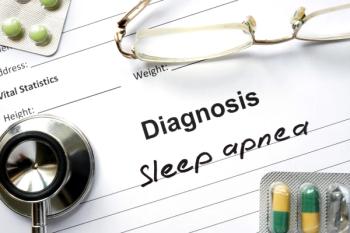
Based on these results, tirzepatide could be first medication approved for treatment of obstructive sleep apnea in patients with obesity.
Ensuring broad access to weight management solutions is vital for addressing entrenched health inequities, improving health outcomes, and reducing individual and societal health costs.

Research has found that increased consumption of sugar alcohols, like xylitol, may increase risk of cardiovascular events.

Providers, the community, health systems, and health policies can all play a part in addressing various challenges in care for obesity.

Added data from the SELECT trial helps to increase confidence in safety and efficacy of semaglutide, a glucagon-like peptide 1 medication.

The GLP-1 market is expected to exceed $100 billion by 2023, according to J.P. Morgan Research, with total users in the United States projected to reach 30 million.

The oral medication activates an “anti-hunger” molecule which may prevent people from overeating.
According to the results, approximately 82% of adults said they have heard at least a little about GLP-1 medications and 32% said they have heard a lot.
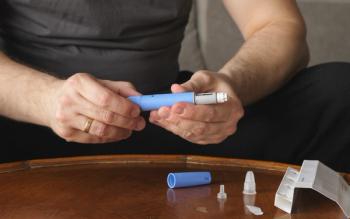
Novo Nordisk and Eli Lilly have spoken out against the use of their GLP-1 medications for cosmetic weight loss, emphasizing the proper use of their medications.
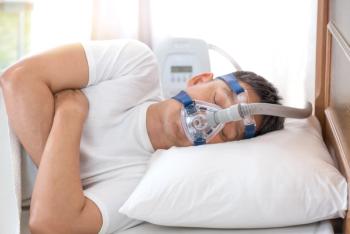
Eli Lilly and Company will submit results of the study to support tirzepatide (Zepbound) for treatment of obstructive sleep apnea later this year.
Tirzepatide is currently approved for management of type 2 diabetes, improving glucose control, facilitating weight loss, and improving cardiovascular disease outcomes.

As the full act will be enforced in November 2024, all medication dispensers must ensure they’re fully prepared.
A pharmacist discusses the impact of comprehensive weight management with a shared decision making approach.
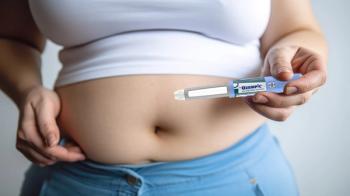
In addition to improved efficacy, newer generations of anti-obesity medications have significantly improved safety concerns.
Expert Jennifer Clements discussed the evolving landscape of weight management medications, clinical considerations, and obstacles to use.
The oral medication activates an “anti-hunger” molecule which may prevent people from overeating.