














































































































Some outsourcers and pharmacies have capitalized on the shortages, producing compounded versions.

Some outsourcers and pharmacies have capitalized on the shortages, producing compounded versions.

Despite the explosion of public interest in these drugs, ongoing shortages and debates over compounding made access difficult.
Setmelanotide is indicated to reduce excess body weight and maintain weight reduction long-term for patients with syndromic or monogenic obesity due to Bardet-Biedl syndrome.

Compounding pharmacies have a 60- to 90-day grace period to complete production as it continues to monitor supply and demand.

Results of the study showed an inverse relationship between BMI and LDL cholesterol changes for those who adopt a low-carbohydrate diet.

Pharmacists play an essential role in educating patients about various health-related topics, including type 2 diabetes and nutrition.
The full results will be published in a peer-reviewed journal and presented at a medical meeting next year as the full results are evaluated.

Metabolic bariatric surgery rates has decreased in response to increased use of glucagon-like peptide-1 (GLP-1) receptor agonists.
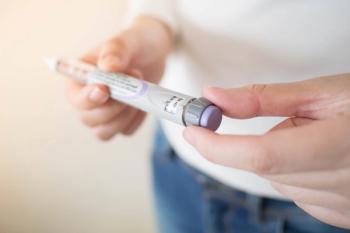
The combined effects of cagrilintide and semaglutide in CagriSema offer a dual approach to weight loss and glucose regulation.

These findings are significant in understanding interactions between glucagon-like peptide-1 medications and thyroid dysfunction because prior research has shown conflicting results.

The proposed rule would increase access to semaglutide for millions of Americans.

Vitamin D and calcium decreased systolic and diastolic blood pressure among older individuals with obesity.

If patterns and trends were to continue, the authors predict that nationwide overweight and obesity prevalence in adults will surpass 80% by 2050.
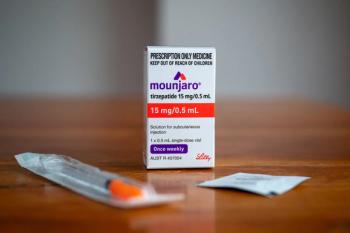
This is the first trial that tested the effect of any medication on major heart failure outcomes in patients with HFpEF and obesity, according to investigators.

The label includes postmarking reports showing rare instances of pulmonary aspiration for patients undergoing procedures that require general anesthesia or deep sedation.
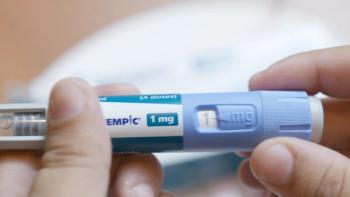
There has never been such widespread and popularized use of compounded products due to shortages. Will consumers rise up with pitchforks if the party is shut down?

CagriSema is a subcutaneous injectable combination of cagrilintide and semaglutide that is currently in phase 3 trials.

Glucagon-like peptide-1 agonists have increasingly showed potential for treating liver fibrosis in patients, which disproportionately affects those who are overweight or have obesity.
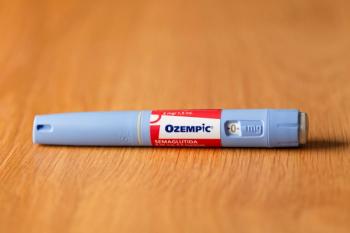
Off-label semaglutide has been linked to serious adverse effects, calling for increased regulation around compounding.

In addition to GLP-1s, dual GLP-1 and GIP agonists, intestinal lipase inhibitors, sympathomimetics, and other agents can help patients lose weight.
Glucagon-like peptide-1 (GLP-1) receptor agonists are widely known as treatments for type 2 diabetes, though some have been approved for indications beyond diabetes.

The call follows the FDA’s sudden removal of tirzepatide from the drug shortage list, preventing compounding pharmacies from providing the drug.

The agency does not intend to take action against the plaintiffs for the violation of the Federal Food, Drug, and Cosmetic Act, including the compounding of tirzepatide.

Pharmacists can educate patients about how to recognize unsafe online sources of medications and ensure patients are properly educate on how to administer their medications.

Questions in the pharmacy are endless and often hard to answer.