



Weight Management
Latest News
Advertisement
Latest Videos





CME Content







































































































Advertisement
More News

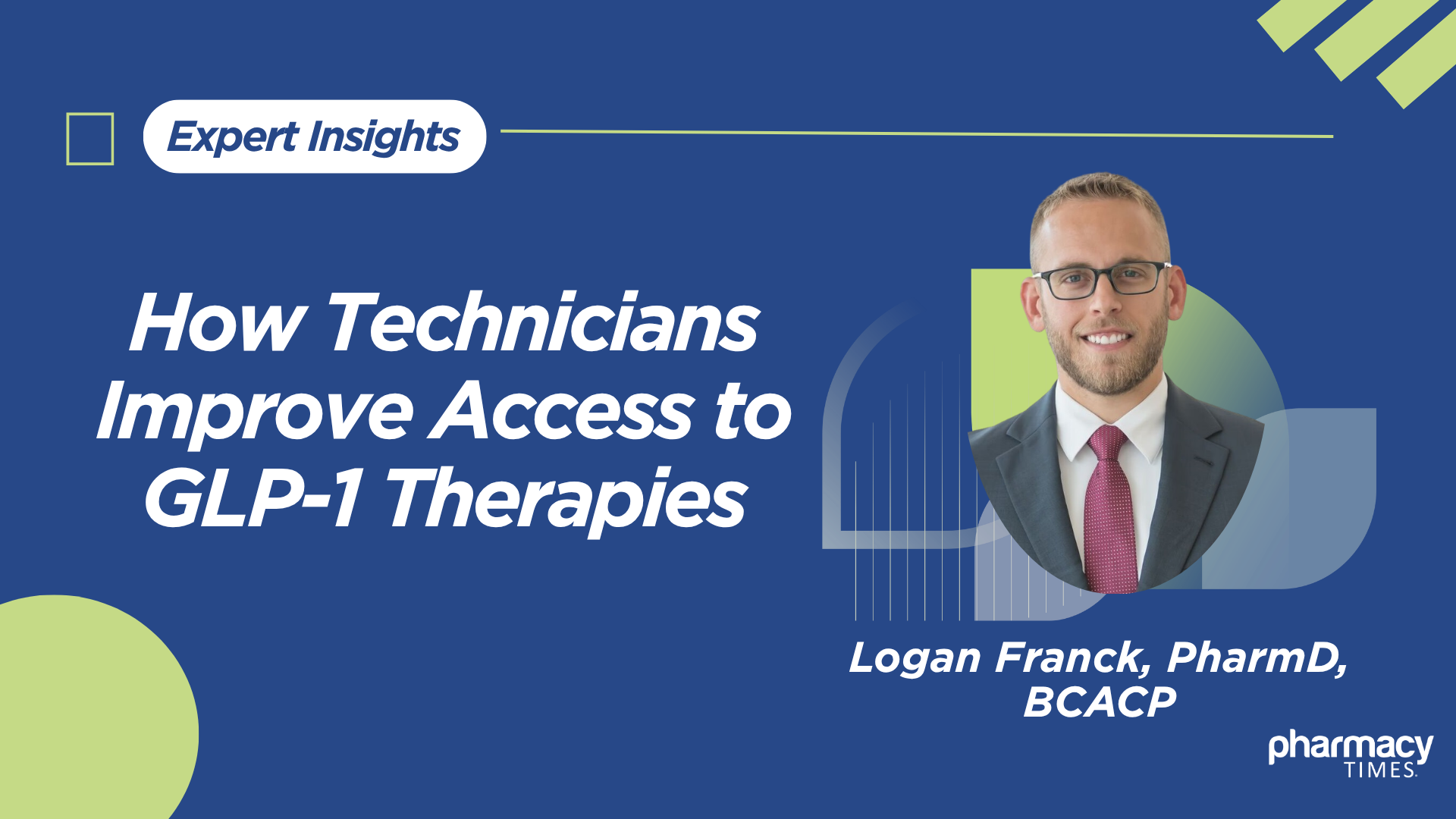
Pharmacy technicians are increasingly central to obesity care, supporting medication access, workflow efficiency, and patient engagement in ambulatory settings.
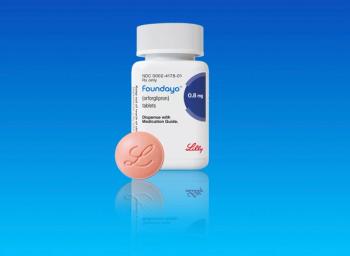
A recent report of liver failure in a patient receiving orforglipron has renewed attention on the long-term safety monitoring of GLP-1 receptor agonists.
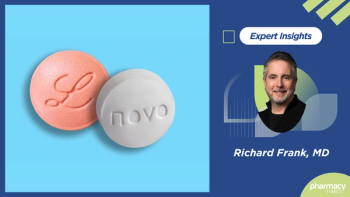
A new oral GLP-1 therapy could reshape obesity treatment by improving access, convenience, and patient uptake compared with injectable options.
The agency's proposal to exclude semaglutide, tirzepatide, and liraglutide from the 503B Bulks List signals that large-scale compounding of these agents has no regulatory future, and carries immediate implications for pharmacy practice.

Metabolic dysfunction-associated steatotic liver disease (MASLD) affects 1.3 billion people globally, driven by metabolic disease trends, highlighting urgent needs for earlier detection, prevention, and pharmacist-led intervention.

A large multicohort analysis highlights obesity as a modifiable risk factor for severe infectious outcomes, reinforcing the pharmacist’s role in prevention, vaccination, and chronic disease management.

Real-world data show pharmacist-driven obesity care models may offer greater improvements in hemoglobin A1C and lipid parameters while supporting multidisciplinary, patient-centered care.

Direct-to-consumer offerings were a shot across the bow. Direct-to-employer offerings are a torpedo to the midship of the PBM business model.

New analysis suggests oral semaglutide may offer improved efficacy and tolerability compared with orforglipron, informing treatment selection in an increasingly competitive oral GLP-1 landscape.

The approval is supported by clinical data from the ATTAIN-1 and ATTAIN-2 trials.

There was limited evidence supporting additional clinical benefits.
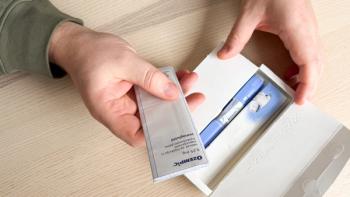
From a pipeline exploding with oral and injectable options to emerging evidence in liver disease, substance use disorder, and kidney disease, Emily Eddy, PharmD, laid out the full scope of incretin therapy's expanding reach at APhA2026.

The FDA ramps up action on compounded GLP‑1 weight‑loss drugs, targeting telehealth ads as Novo Nordisk sues Hims & Hers and regulators hint at seizures.
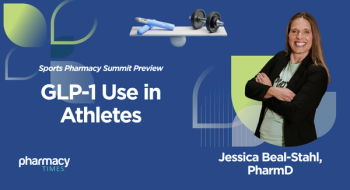
Ahead of the Sports Pharmacy Summit, a pharmacist weighs GLP-1s for athlete weight management benefits.

Pharmacists play a key role in modern obesity care through education, access support, and collaboration.
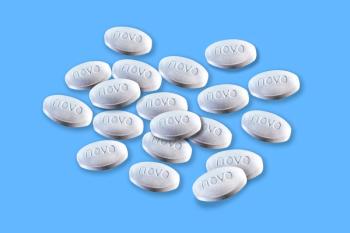
The FDA approval of the Wegovy pill offers a new, effective GLP-1 option for weight management, with pharmacists playing a key role in patient counseling and adherence support.

The expanded indication is supported by findings from the phase 3 TRANSCEND clinical trial.

FDA fast-tracks higher-dose weekly semaglutide, showing up to 20.7% weight loss.

Stopping weight management medications drives rapid weight regain and metabolic rebound—making long-term treatment key to optimal outcomes.

Mass-produced compounded GLP-1 drugs bypass FDA safeguards, raising sterility, quality, and supply-chain risks—putting patients at risk despite ending shortages.

Phase 2 trial finds combination therapy resulted in 22% body weight reduction at 72 weeks, with 92% of weight loss attributable to fat mass, addressing concerns about muscle loss with GLP-1 receptor agonists.

Michael Snyder, MD, of FuturHealth breaks down the patient safety risks of compounded glucagon-like peptide-1 (GLP-1) products and why structured care is essential as demand for these medications continues to surge.

FDA approves once-daily oral Wegovy for weight loss and long-term maintenance, matching injectable results while cutting cardiovascular event risk.

FDA clears oral Wegovy pills for weight loss, while Lemme Burn Gummies tout metabolic support; plus new thalassemia anemia drug and Lucentis biosimilar.
Advertisement
Advertisement
Trending on Pharmacy Times
1
Vaccine Guidance Is Rapidly Changing—Here's What You Need to Know
2
FDA Approves First OTC Acetaminophen-Naproxen Combination for 12-Hour Pain Relief
3
What Real-World Data Show About Moving Patients From Humira to Biosimilars
4
New Review Offers Framework for Sequencing Disease-Modifying Therapies in MS
5